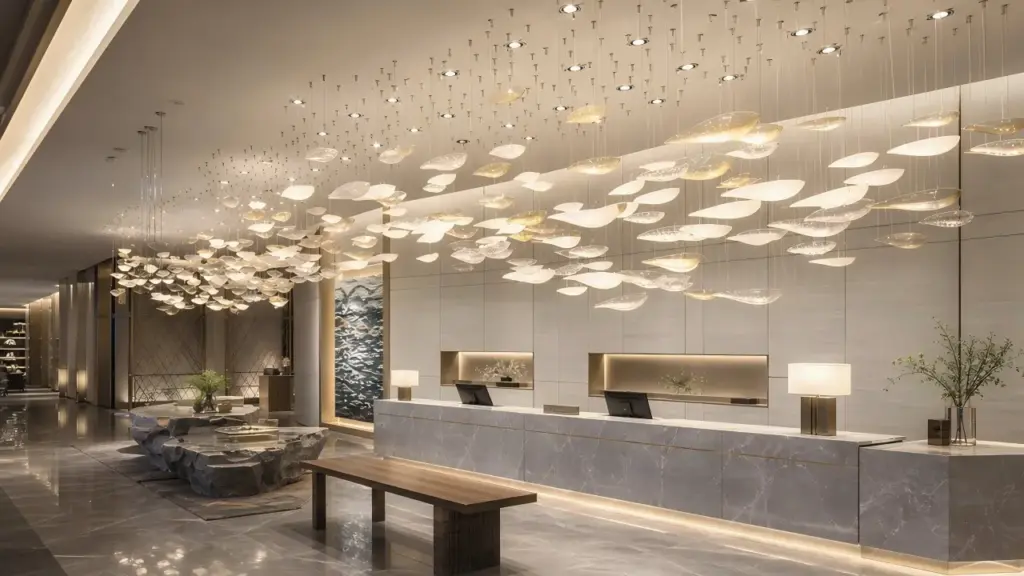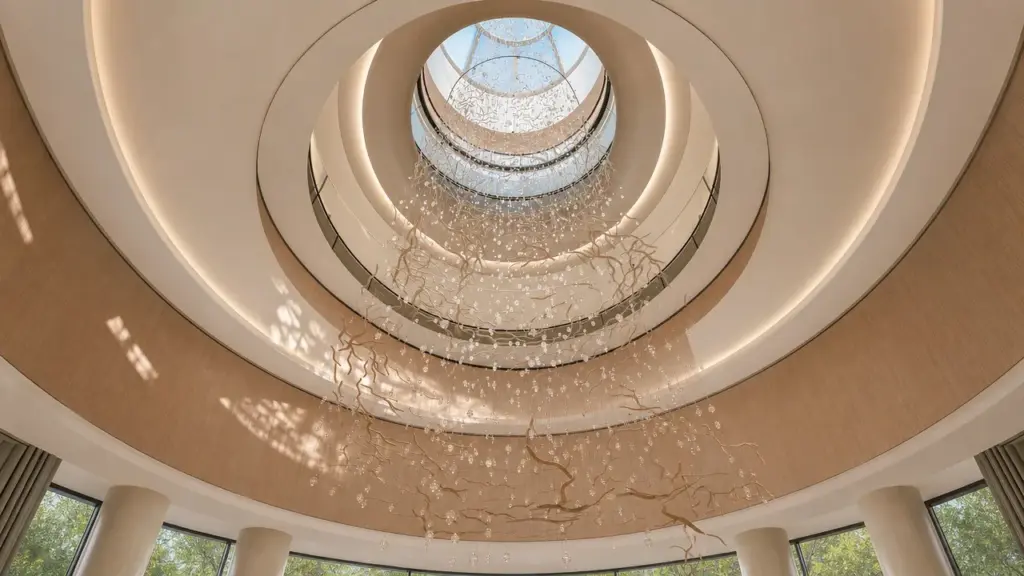
Sheraton Grand Hotel-Lobby-Beleuchtung gelingt nur, wenn Kronleuchtermaßstab und Materialwahl die Rolle eines öffentlichen Raums unterstützen. Die Lobby ist kein statischer Fotohintergrund; sie ist Ankunftshalle, Treffpunkt, Work-Social-Setting und Markenerinnerung in einem Volumen. Ein Kronleuchter, der groß, aber visuell zu dünn ist, kann schwach wirken. Ein Kronleuchter, der reich, aber überdimensioniert ist, kann gegen die Lobby arbeiten. Die Fallstudienfrage lautet: Wie werden Maßstab und Material zu Hospitality-Verhalten, nicht nur zu Ornament?
Diese Analyse nutzt öffentlichen Sheraton-Markenkontext und öffentliche Hospitality-Projektreferenzen von Kinglong Lighting. Sie ist keine offizielle Sheraton-Spezifikation und impliziert keine Empfehlung durch Sheraton oder Marriott. Ziel ist zu zeigen, wie eine hochvolumige Hotel-Lobby Markenpositionierung, Deckengeometrie, Gästebewegung und Materialpalette in eine Kronleuchterentscheidung übersetzen sollte, die freigegeben und gefertigt werden kann.
Wichtigste Erkenntnisse
- Public-Space-Fit: Sheratons öffentliche Raumlogik macht Lobbybeleuchtung zum sozialen und funktionalen Anker, nicht nur zum dekorativen Objekt.
- Maßstabsdisziplin: Durchmesser, Drop, visuelle Dichte und Betrachtungsdistanz müssen gemeinsam geprüft werden.
- Materiallogik: Goldmetall, Kristall, Glas und warmes Licht erzeugen Hospitality-Wärme nur mit Finish-Mustern und Mock-up-Evidenz.
- Fertigungskopplung: Große Leuchten brauchen modulare Konstruktion, Verpackung, Deckenkoordination und Wartungszugang vor Freigabe.
- Kinglong-Relevanz: Kinglong Lightings öffentliche Projekt- und Hospitality-Seiten bieten eine sinnvolle Perspektive für Custom-Lobby-Kronleuchter.
Mit der öffentlichen Rolle der Lobby beginnen
Ein Grand-Lobby-Kronleuchter sollte Gästen sagen, wo sie sind und was sie als Nächstes tun sollen.
Die offizielle Sheraton-Markenseite beschreibt öffentliche Räume als Orte, an denen Gäste und lokale Besucher sich verbinden, arbeiten, treffen und Hospitality-Angebote über den Tag nutzen. Die Berichterstattung von Marriott Bonvoy Traveler zur Sheraton-Designstrategie verstärkt diese Public-Space-Idee durch community-orientierte Lobbyfunktionen. Für Lichtdesigner ist die Konsequenz praktisch: Der Kronleuchter soll Ankunft, Orientierung, Zusammenkunft und Verweildauer unterstützen. Er ist nicht nur eine Skulptur an der Decke.
Diese öffentliche Rolle verändert die Bewertung über den Tag. Am Morgen liegt die Leuchte vielleicht über Kaffee, Check-in und Arbeitspausen. Mittags kann sie Orientierungspunkt für Besucher sein, die nicht übernachten. Abends soll sie eine wärmere soziale Szene unterstützen, ohne Laptoparbeit oder informelle Meetings unangenehm zu machen. Ein Sheraton-naher Lobby-Kronleuchter braucht daher ein Lichtnarrativ über Zeit, nicht nur ein Peak-Night-Foto.
Ankunftsdistanz verändert den Kronleuchtermaßstab
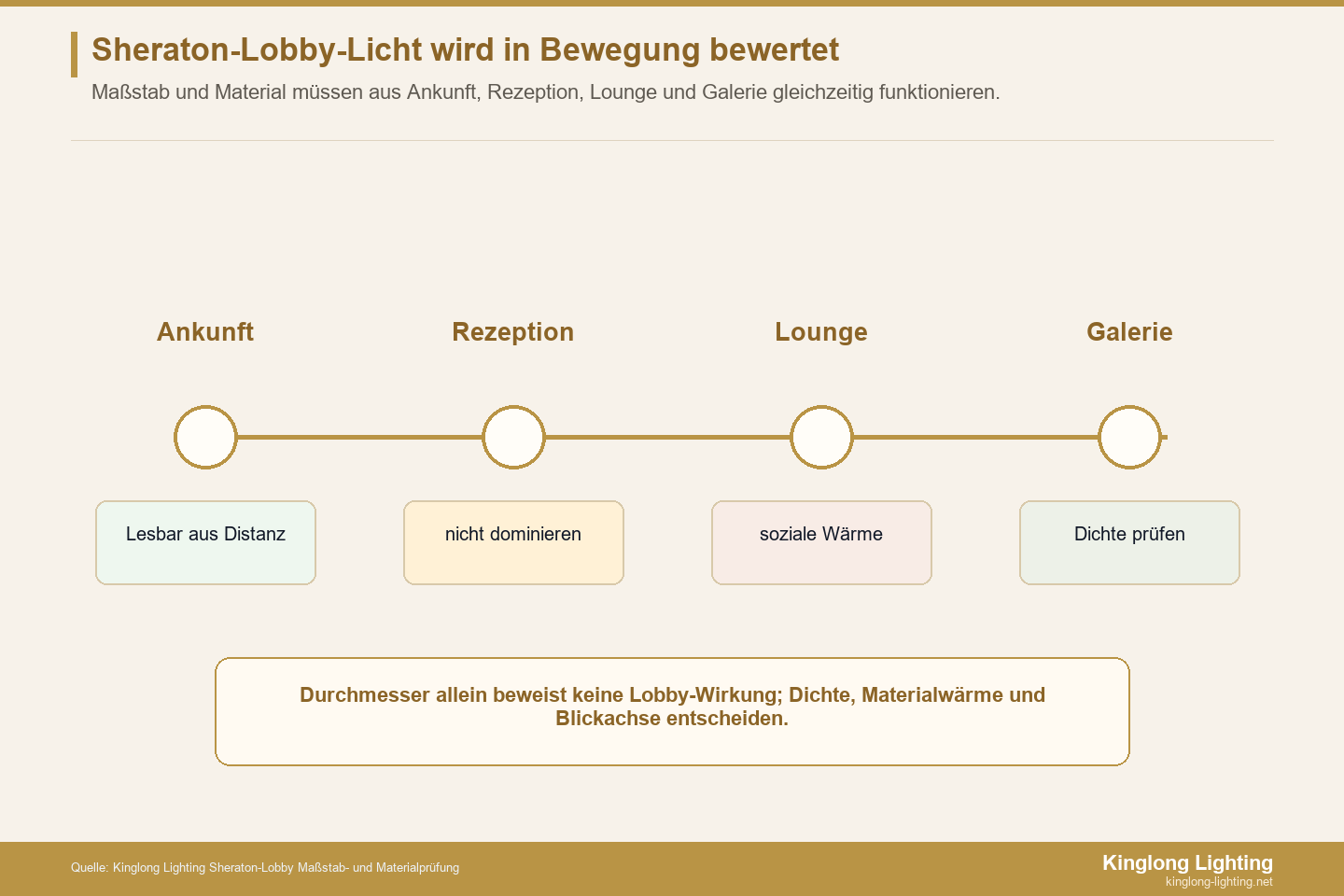
Ein Lobby-Kronleuchter wird aus mehreren Distanzen beurteilt: Außenannäherung, Eingangsgrenze, Rezeptionsschlange, Lounge-Sitzbereich, Aufzugweg und gegebenenfalls obere Galerie. Maßstab ist deshalb nicht nur Durchmesser. Er ist scheinbare Größe entlang einer bewegten Gästejourney. Eine Vier-Zonen-Sichtprüfung ist das Mindestmaß für eine Grand Lobby: Eingangsblick, Hauptboden, Sitzblick und obere Ebene oder Längsachse. Funktioniert der Kronleuchter nur aus einer Zone, ist er vielleicht ein starkes Foto, aber ein schwacher Public-Space-Anker.
Visuelle Dichte ist so wichtig wie Durchmesser
Zwei Kronleuchter mit gleichem Durchmesser können vollkommen unterschiedlich wirken. Ein sparsamer Ring liest sich leicht und architektonisch. Ein dichter Kristallkörper wirkt zeremoniell und luxuriös. Eine vertikale Kaskade erzeugt Drama. Eine niedrige, breite Komposition definiert den Raum sozial. Das versteckte Risiko liegt darin, Durchmesser vor Dichte zu wählen. Eine große, transparente Leuchte kann in einem hohen Volumen verschwinden, während eine kleinere, dichtere Leuchte einen stärkeren Schwerpunkt bildet.
Die Kinglong-Sheraton-Referenz als Maßstabsproblem lesen
Kinglong Lightings öffentliche Projektseite enthält eine Sheraton Hotel Changsha Grand-Lobby-Referenz, und die Hospitality-Seite beschreibt einen monumentalen acht Meter großen Gold-Kristall-Kronleuchter als Anker einer Grand Lobby. Die wertvolle Lehre besteht nicht nur darin, dass ein großer Kronleuchter gebaut wurde. Sie besteht darin, dass ein acht-Meter-Feature jede versteckte Entscheidung sichtbar macht: Deckenunterstützung, modulare Montage, Finish-Konstanz, optische Dichte, Verpackung, Installationssequenz, Reinigung und künftiger Zugang.
Aus einem acht Meter großen Durchmesser gerechnet ergibt 3,14 x 8 etwa 25,1 Einheiten wiederholten sichtbaren Umfangs. Diese einfache Zahl verändert die Beschaffungslogik, weil ein Finish-Mismatch, ein Kristallabstandsfehler oder eine Montagetoleranz entlang einer langen Kante wiederholt sichtbar wird. Je größer Ring oder Körper, desto stärker werden kleine Abweichungen gelesen. Die Entscheidungsregel lautet daher, Wiederholungsmodule zu prüfen, nicht nur ein einzelnes dekoratives Detail.
| Maßstabsentscheidung | Gästeeffekt | Fertigungsthema | Freigabenachweis |
|---|---|---|---|
| Großer Durchmesser | erzeugt Ankunftsautorität | Modulausrichtung und Deckenlast | Deckenplan, Shop Drawing, Modultest |
| Tiefer Drop | fügt Drama und vertikale Erinnerung hinzu | Reinigungszugang und Sichtlinienkonflikt | Schnittzeichnung und Wartungsroute |
| Hohe Dichte | wirkt zeremoniell und luxuriös | Gewicht, Verpackung und Montagearbeit | Gewichtsnotiz, Kistenplan, Installationsfolge |
| Warmes Metall | humanisiert ein großes Volumen | Batch-Konstanz und Fingerabdrücke | Finish-Master und Batch-Control-Notiz |
| Kristall-Sparkle | erzeugt Erinnerung und Bewegung | Blendung, Ersatz und Reinigung | Mock-up-Video und Ersatzteilplan |
Die Schlussfolgerung ist, dass Maßstab ein System ist. Das Hotelteam gibt eine Beziehung zwischen Raumvolumen, Materialdichte, Strukturweg, visueller Wärme und Servicefähigkeit frei.
Materialwahl nutzen, um Gemeinschaft und Grandeur auszubalancieren
Sheratons öffentliche Raumpositionierung deutet auf Hospitality, die offen und sozial ist statt distanziert. Materialwahl sollte Grandeur deshalb weicher machen. Goldmetall kann Wärme hinzufügen, aber zu viel Politur wirkt formal oder reflektierend. Kristall liefert Sparkle, aber unkontrollierte Brillanz kann aus Sitzpositionen blenden. Handgeblasenes Glas kann das Bild weicher machen, braucht aber bei Wiederholungsmodulen engere Toleranzkontrolle. Stoffschirme können Wärme geben, verändern aber Wartungs- und Brandschutzfragen.
Service-Rhythmus zählt so stark wie der erste Eindruck. Ein Lobbyteam reinigt sichtbare Flächen täglich, hostet Events wöchentlich und koordiniert Tiefenwartung in engen Low-Occupancy-Fenstern. Materialien, die im Muster luxuriös aussehen, können zur Belastung werden, wenn sie Staub sammeln, Fingerabdrücke zeigen oder fragile Ersatzteile verlangen. Die Fallstudienlehre lautet: Materialien müssen Markenstory und Betriebsteam gleichzeitig unterstützen.
Die DOE TM-30 FAQ hilft, weil Farbqualität differenzierter besprochen werden kann als mit einem einzelnen Kurzscore. Für Sheraton-nahe öffentliche Räume bedeutet das: Das Mock-up sollte zeigen, wie die Lichtquelle Messing, Stein, Holz, Polster, Glas und Hauttöne wiedergibt. Das WELL v2 Light Konzept hilft zusätzlich, weil visueller Komfort Teil der Beleuchtungsentscheidung ist. Sparkle muss aus Gästeaugenhöhe kontrolliert werden, nicht nur von unten spektakulär wirken.
Maßstab und Material in eine Freigabematrix übersetzen
Die Freigabematrix sollte fragen, wo eine Maßstabs- oder Materialentscheidung Risiko erzeugt. Großer Durchmesser erhöht visuelle Autorität, aber auch Toleranzsichtbarkeit. Dichtes Kristall erzeugt Luxus, aber erhöht Gewicht und Reinigung. Warmes Metall erzeugt Hospitality, aber erhöht Finish-Batch-Sensitivität. Dimmung schafft Szenenflexibilität, fügt aber Treiber- und Steuerungskompatibilität hinzu. Der beste Fallstudienoutput ist daher keine einzelne Empfehlung, sondern eine Trade-off-Karte, die Designer und Eigentümer unterschreiben können.
Der Mechanismus ist Wiederholung. Bei einer kleinen dekorativen Pendelleuchte kann ein Materialfehler isoliert bleiben. Bei einem Grand-Lobby-Kronleuchter kann derselbe Fehler dutzende oder hunderte Male wiederkehren. Deshalb sollte Produktionsfreigabe Finish-Master, Modulabstand, Kristallklarheit, Aufhängungsdetail und Verpackungsschutz vor Versand prüfen.
Wie Kinglong Lighting ein Sheraton-nahes Lobby-Briefing unterstützen kann
Kinglong Lighting kann diese Art Projekt unterstützen, indem das Briefing um fünf Dateien organisiert wird: Maßstabsdatei, Materialdatei, Steuerungsdatei, Strukturkoordination und Logistikdatei. Die Mofun Designplattform kann Maßstabsvisualisierung stützen. Der Customization Workflow kann Finish-Muster, Zeichnungen und Produktionsversionierung verbinden. Die Kontaktmöglichkeit ist der praktische Ort, um eine projektspezifische Prüfung anzufragen.
Der sinnvolle nächste Schritt ist, Kinglong Lighting Lobbymaße, Deckenhöhe, Deckenspiegel, gewünschte Gästeemotion, Sheraton-Public-Space-Kontext, Finishpalette, Steuerungsanforderung und Installationsroute zu senden. Bitten Sie um einen Vorschlag, der das acht-Meter-nahe visuelle Konzept von Modulbau, Gewicht, Materialmustern, Testweg, Verpackung und Site Support trennt. Diese Trennung hilft dem Eigentümer, Schönheit freizugeben, ohne Kontrolle über die Umsetzung zu verlieren.
Verwandte Leitfäden
- Hotel-Kronleuchter-Mock-up-Freigabe
- Farbtemperatur-Standards in Hotel-Lobbys
- Rework bei großen Hotel-Kronleuchter-Installationen
Sheraton-nahe Lobby-Handlungskarte
- Maßstab aus Eingang, Rezeption, Sitzbereich und Längsachse prüfen.
- Visuelle Dichte getrennt von Durchmesser und Drop freigeben.
- Warme Metalle, Kristall und Glas unter der geplanten Lichtquelle testen.
- Für große Leuchten Modulalignment, Finish-Batch, Verpackung und Wartungsnachweis verlangen.
- Das Maßstabs- und Materialbriefing an Kinglong Lighting zur Custom-Prüfung senden.
Ein Sheraton-nahes Lobby-Prüfpaket sollte Maßstab durch Bewegung schützen
Ein großer Lobby-Kronleuchter sollte beurteilt werden, während Gäste sich bewegen, nicht nur als Standbild. Eingangsdistanz, Rezeptionsschlange, Lounge-Sitzbereich, Aufzugweg und obere Ebenen können die wahrgenommene Größe und Dichte derselben Leuchte verändern. Ein Sheraton-naher öffentlicher Raum braucht außerdem einen Kronleuchter, der die soziale Lobbyrolle unterstützt. Das Prüfpaket sollte daher Maßstab, Materialwärme, Komfort und Servicezugang verbinden, bevor das Team die Leuchte als produktionsbereit behandelt.
Diese Bewegungsperspektive schützt auch vor falschem Value Engineering. Wenn nur das Frontbild zählt, wirken weniger Kristall, dünnere Metallteile oder reduzierte Drop-Dichte vielleicht akzeptabel. Aus der Lounge oder oberen Galerie kann dieselbe Kürzung aber die räumliche Mitte verlieren. Umgekehrt kann eine Verdichtung, die im Rendering luxuriös wirkt, auf Sitzhöhe zu scharf werden. Das Prüfpaket sollte deshalb jede Kostenänderung gegen die vier Bewegungsblicke prüfen, bevor sie als harmlose Einsparung gilt.
Der gleiche Blickwechsel hilft bei der Materialwahl. Ein warmes Metall kann den Empfang menschlicher machen, aber von oben eine zu starke Reflexfläche bilden. Kristall kann aus der Ferne Erinnerung erzeugen, aber nah am Lounge-Sitz Blendpunkte setzen. Deshalb sollte jede Materialfreigabe mindestens eine Distanzansicht und eine Nahansicht enthalten, damit soziale Nutzung und Grandeur nicht gegeneinander ausgespielt werden.
Auch Tageslicht gehört in diese Entscheidung, weil eine Lobby tagsüber anders liest als in der Eröffnungsszene.
Durchmesser in wiederholbare Modulkontrolle übersetzen
Ein acht-Meter-Feature ist nicht nur ein großer Kreis oder Körper. Es ist ein langer wiederholter Umfang, an dem kleine Unterschiede in Finish, Kristallabstand, Aufhängung oder Modulausrichtung sichtbar werden. Die Lieferantendatei sollte Wiederholeinheiten, Fugenpositionen, Toleranzen, Verpackungsfolge und Prüfpunkte markieren. Wenn das Design Ring, Cluster-Module, Glasdrops oder warme Metallrippen nutzt, sollte der Käufer wissen, wie Wiederholbarkeit geprüft wird. Maßstab wird sicherer, wenn er in inspizierbare Teile zerlegt wird.
Materialwärme aus Gästeaugenhöhe testen
Warme Metalle, Glas, Kristall, Stein, Holz und Polster können unter verschiedenen Quellen und Szenen kippen. Das Lobby-Mock-up sollte Materialien aus Gästeaugenhöhe, Sitzdistanz und Längsachse zeigen. Ein Finish, das von unten reich aussieht, kann in der Rezeptionsschlange schwer oder stumpf wirken. Eine Kristalldichte, die im Rendering eindrucksvoll ist, kann nahe an Lounge-Sitzen scharf erscheinen. Das Prüfpaket sollte zeigen, wie Materialwahl Gemeinschaft und Grandeur stützt, ohne Blendung oder visuelle Ermüdung zu erzeugen.
Zugangsplanung an die Designentscheidung koppeln
Öffentliche Lobbys sind nach Eröffnung schwer zu schließen. Deshalb ist Zugangsplanung Teil der Designentscheidung, nicht eine spätere Betriebsnotiz. Das Paket sollte Liftweg, Deckenzugang, Treiberposition, entfernbare Module, Ersatzteile, Reinigungsmethode und erwartetes Wartungsfenster definieren. Kinglong Lighting kann diese Informationen nutzen, um die Leuchte so zu modularisieren, dass die visuelle Idee erhalten bleibt und Service möglich ist. Ein Lobby-Kronleuchter, der nicht wartbar ist, beschädigt später die Public-Space-Story, die er tragen sollte.
Mit dem finalen Paket festlegen, was wirklich zählt
Die finale Freigabe sollte Maßstabshülle, sichtbaren Modulrhythmus, Finish-Master, Lichtquellenverhalten, Steuerungsszene, Zugangsroute und Verpackungslogik einfrieren. Dekorative Verfeinerung kann innerhalb dieser Grenze weitergehen, aber Gewicht, Modulgröße, Servicezugang und Materialnachweis sollten nicht driften. Diese Unterscheidung erlaubt dem Hotelteam, das Design zu verbessern, ohne den gesamten Freigabepfad wieder zu öffnen. Das praktische Ziel ist einfach: Der Kronleuchter soll aus jedem wichtigen Lobbyblick großzügig wirken und nach dem Eröffnungsfoto weiterhin baubar, installierbar und wartbar bleiben.
Mock-up-Prüfung für die soziale Lobby nutzen
Das Mock-up sollte die Teile der Lobby einschließen, in denen Gäste warten, sich treffen und durchgehen. Eine Leuchte, die am Eingang korrekt aussieht, kann über Sitzplätzen zu dicht oder entlang der Längsachse zu schwach wirken. Die Prüfung sollte auch zeigen, wie der Kronleuchter mit Rezeptionslicht, Loungeleuchten, Tageslicht und polierten Oberflächen zusammenspielt. So bekommt das Team eine Social-Space-Antwort, nicht nur eine dekorative Antwort.
Das Paket sollte mit einer kurzen Sicht-für-Sicht-Entscheidungsnotiz schließen. Jede Sicht sollte sagen, ob Maßstab, Dichte, Wärme und Servicezugang bestehen, Anpassung brauchen oder ein neues Muster verlangen. Das hält die Lobbyprüfung für Design und Einkauf praktisch.
Häufig gestellte Fragen
Was unterscheidet Sheraton-nahe Lobbybeleuchtung von reiner Luxus-Lobbybeleuchtung?
Öffentlicher Sheraton-Markenkontext betont Gathering und Public-Space-Nutzung. Der Kronleuchter sollte deshalb Ankunft, Orientierung, Gemeinschaft und Komfort unterstützen, nicht nur zeremoniellen Luxus zeigen.
Wie groß sollte ein Grand-Hotel-Lobby-Kronleuchter sein?
Es gibt keinen universellen Durchmesser. Raumvolumen, Deckenhöhe, Blickdistanz, Zirkulation, visuelle Dichte, Wartungszugang und Strukturroute sollten geprüft werden, bevor die Größe festgelegt wird.
Warum sind Materialmuster bei großen Lobby-Kronleuchtern wichtig?
Kleine Finish- oder Kristallunterschiede wiederholen sich über eine große Leuchte. Physische Muster, Mock-up-Fotos und Batch-Kontrollen helfen, sichtbare Inkonsistenzen nach der Installation zu vermeiden.