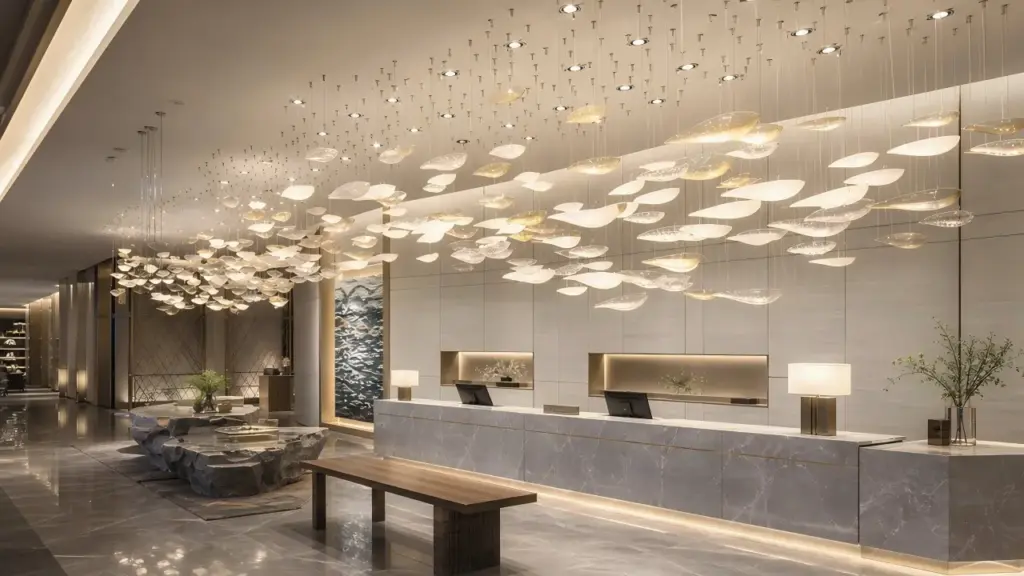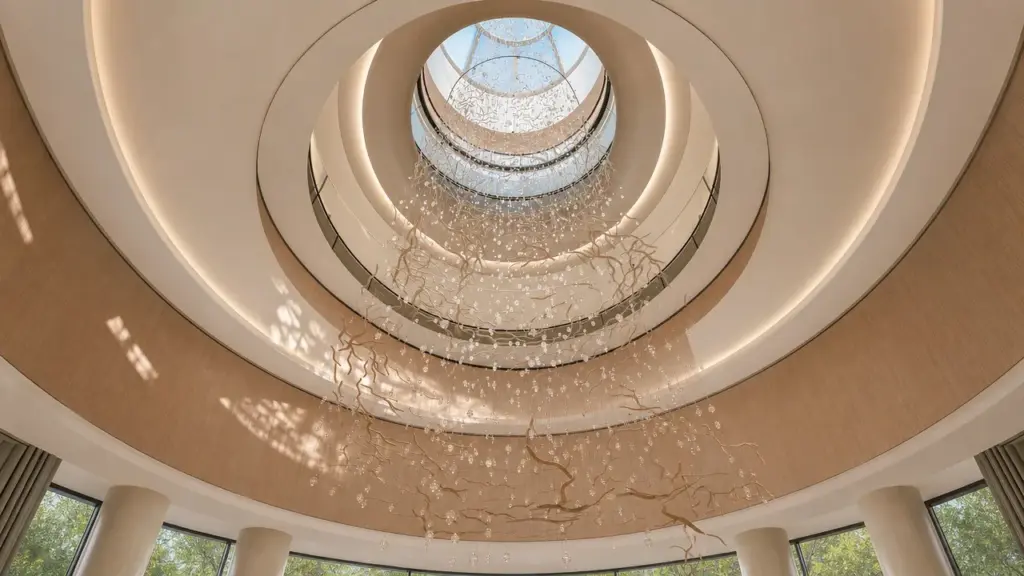
Four-Seasons-Beleuchtungsqualität ist nicht nur eine Frage teurer Leuchten, denn der Ruf hängt von Konsistenz über Servicekultur, Gästekomfort, Designzurückhaltung, Betrieb und langfristige Wartung ab. Ein Kronleuchter kann luxuriös aussehen und den Benchmark trotzdem verfehlen, wenn er blendet, vom Service ablenkt, schlecht altert oder nicht leise wartbar ist. Das Qualitätssignal ist die Abwesenheit von Reibung.
Öffentliche Informationen von Four Seasons und allgemeine Lichtreferenzen können Kontext geben, sind aber kein offizieller Four-Seasons-Beleuchtungsstandard und bedeuten keine Unterstützung von Kinglong Lighting. Ziel ist, Hotelspezifizierenden zu helfen, zu verstehen, was ein Four-Seasons-artiger Qualitätsbenchmark von dekorativer Beleuchtung verlangen könnte: nicht lauteres Design, sondern besser kontrolliertes Erlebnis.
Wichtigste Erkenntnisse
- Qualitätsbenchmark: Four-Seasons-artige Beleuchtung sollte nach Komfort, Konsistenz, Serviceunterstützung und Materialbeständigkeit beurteilt werden.
- Designzurückhaltung: Teuer wirkende Leuchten sind weniger wichtig als Licht, das sich in der Nutzung mühelos anfühlt.
- Betriebsnachweis: Wartungszugang, Reinigung, Dimmung, Treiberposition und Ersatzteile gehören in die Luxusdatei.
- Nachweisdisziplin: Farbqualität, Blendung, Steuerungen, Oberflächenmeister und Produktionsrückverfolgbarkeit sollten vor Freigabe geprüft werden.
- Kinglong-Relevanz: Kinglong Lighting kann qualitätsgeführte kundenspezifische Beleuchtung unterstützen, indem Erlebnisziele in Fertigungsnachweise übersetzt werden.
Qualität beginnt mit Service, nicht mit Spektakel
Ein Four-Seasons-artiger Beleuchtungsbenchmark ist bestanden, wenn Gäste sich umsorgt fühlen, ohne zu bemerken, wie viel Arbeit die Beleuchtung leistet.
Die offizielle Four-Seasons-Homepage präsentiert die Marke über Servicestandards, Innovation und Luxusreisen. Die Seite zur Servicekultur beschreibt das Erfüllen anspruchsvoller Kundenbedürfnisse und Geschmäcker. Die Lichtimplikation ist subtil: Eine dekorative Leuchte sollte Service natürlich wirken lassen. Sie sollte Gäste führen, Materialien schmeicheln, Mitarbeiterbewegung unterstützen und Übergänge ruhig machen.
Benchmark-Beleuchtung reduziert sichtbare Reibung
Gäste loben selten einen perfekt gedimmten Kronleuchter, einen leisen Treiber oder eine saubere Ersatzroute. Sie erleben die Immobilie einfach als poliert. Der Benchmark umfasst deshalb viele unsichtbare Entscheidungen: keine harte Blendung am Host-Stand, kein brummender Treiber im privaten Speiseraum, kein kalter Ton auf warmem Stein, keine unwartbare Kristallgruppe über einer belebten Lounge, kein störender Schatten im Concierge-Moment.
Sichtbare Reibung erscheint oft als kleine Diskrepanz zwischen Beleuchtung und Service. Ein Gast muss die Speisekarte anstrengen lesen. Ein Mitarbeiter lehnt sich in den Schatten, um eine Reservierung zu erklären. Ein Lounge-Tisch wirkt auf Fotos einladend, fühlt sich aber vor Ort zu hell an. Eine Kronleuchterreflexion lässt eine polierte Wand an der falschen Stelle glitzern. Diese Details sind auf einer Zeichnung nicht dramatisch, aber sie prägen, ob das Erlebnis wirklich gelöst wirkt.
Zurückhaltung ist ebenfalls eine Designentscheidung
Four-Seasons-artige Qualität bedeutet nicht, dass der Kronleuchter verschwinden muss. Es bedeutet, dass die Leuchte ihre Rolle kennt. Ein Lobby-Feature darf Erinnerung erzeugen, sollte aber nicht mit Architektur, Servicechoreografie oder Gästekomfort kämpfen. Ein Ballsaal-Kronleuchter darf feierlich wirken, sollte aber auch Veranstaltungsflexibilität unterstützen. Ein Villa-Pendel darf ruhig sein, sollte aber aus der Nähe wunderschön detailliert sein.
Zurückhaltung verlangt außerdem Lieferantenkönnen. Eine ruhige Leuchte ist oft schwerer zu fertigen, weil Fehler weniger dekorative Ablenkung haben. Oberflächenkonsistenz, Kantenflucht, Diffusorqualität, Treibergeräuschlosigkeit und proportionale Genauigkeit werden sichtbarer. Ein schlicht wirkender Kronleuchter kann engere Kontrolle brauchen als ein ornamentaler. Deshalb sollte Benchmark-Beleuchtung nicht nur nach Komplexität bewertet werden.
Öffentliche Designsignale weisen auf Ruhe und Kontext hin
Der Four-Seasons-Magazine-Artikel Four Seasons By Design beschreibt eine Bewegung hin zu zeitgenössischer, klarliniger Ruhe und durchdachter Interpretation von Luxus. Die Umweltverpflichtungsseite des Unternehmens verweist außerdem auf Nachhaltigkeitsstandards im Designservice und Verantwortung in der Lieferkette. Für Lichtspezifizierende deuten diese öffentlichen Signale auf einen Benchmark aus Gästefeeling, lokalem Kontext, Materialbeständigkeit und verantwortungsvollen Betriebsentscheidungen.
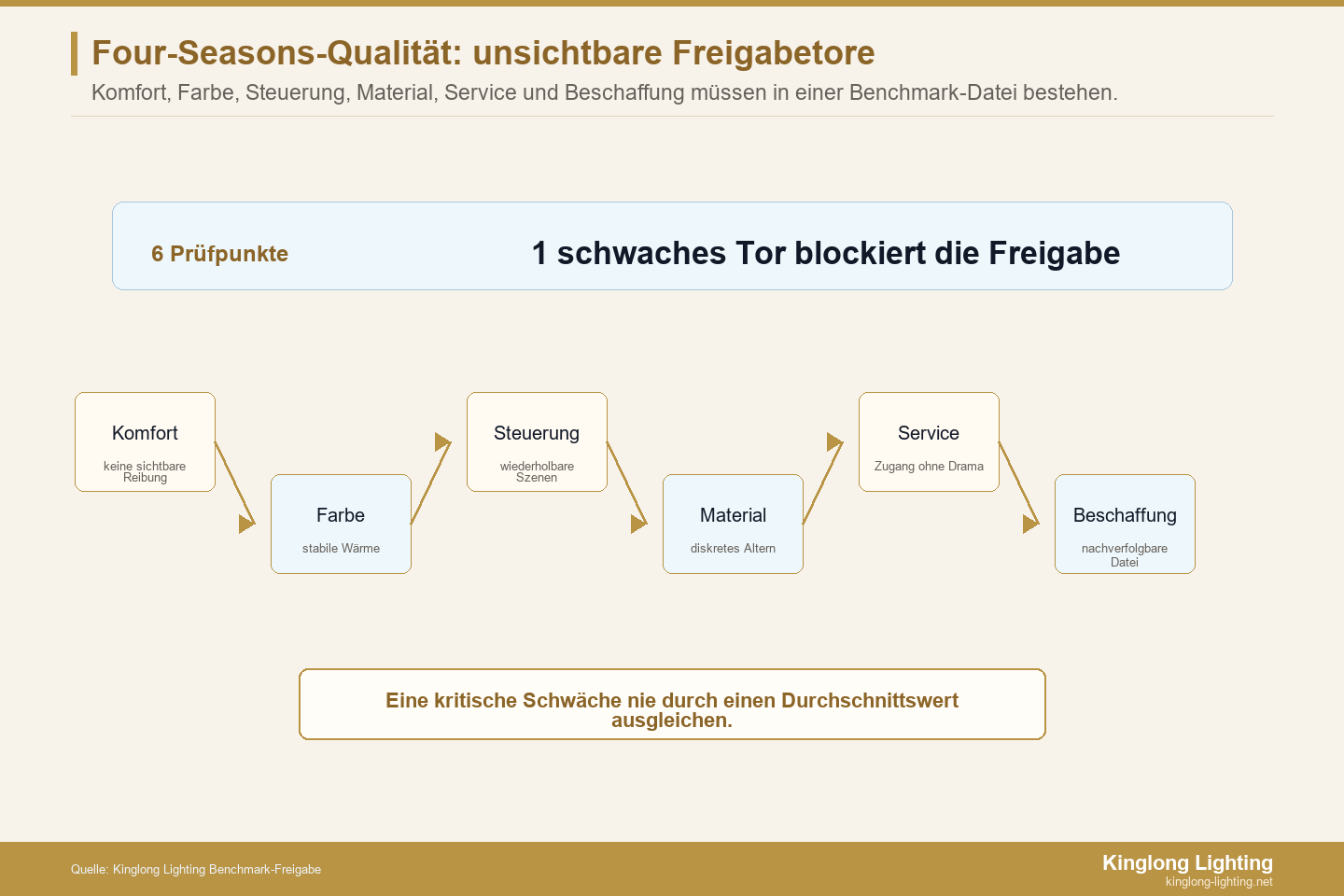
Aus unserer Analyse sollte ein qualitätsgeführtes Kronleuchterbriefing 6 Prüfpunkte nutzen: Komfort, Farbe, Steuerung, Material, Servicezugang und Beschaffungsnachweis. Diese Prüfpunkte ersetzen das Designkonzept nicht. Sie schützen es. Eine Leuchte, die alle 6 besteht, kann expressiv oder zurückhaltend sein; eine Leuchte, die nur das visuelle Konzept besteht, bleibt unvollständig.
Die sechs Prüfpunkte helfen Eigentümern auch bei der Ausgabenentscheidung. Wenn Komfort und Steuerung schwach sind, löst mehr teures dekoratives Material das Gästeerlebnis nicht. Wenn Servicezugang schwach ist, kann eine schöne Leuchte sichtbar altern oder störende Wartung verlangen. Wenn Beschaffungsnachweis schwach ist, liegt das Risiko bei der Beschaffung, auch wenn das Designteam zufrieden ist. Qualitätsausgaben sollten zuerst diese Fehlerpunkte entfernen und danach die visuelle Sprache vertiefen.
Reputation in messbare Lichtprüfpunkte übersetzen
| Benchmark-Bereich | Lichtentscheidung | Anzufordernder Nachweis | Fehlermodus |
|---|---|---|---|
| Gästekomfort | Niedrige Blendung aus sitzenden und stehenden Blickwinkeln | Blickpunktfotos und Szenenniveaus | Luxus wird zu Augenmüdigkeit |
| Materialwahrheit | Warme, genaue Wiedergabe von Stein, Holz, Metall, Stoff und Hauttönen | CCT- und Farbnachweise | Teure Materialien wirken flach |
| Serviceunterstützung | Licht führt Ankunft, Dining, Lounge und Bewegung | Szenenplan der Gästereise | Mitarbeiter und Gäste arbeiten um Schatten herum |
| Wartung | Leuchte kann diskret gereinigt und gewartet werden | Zugangsplan und Ersatzteilliste | Sichtbares Altern oder störender Service |
| Steuerungen | Dimmung ist glatt, leise und szenenbereit | Treiber- und Steuerungstest | Flimmern, Sprünge oder Geräusch |
| Lieferkette | Materialien und Produktionsweg sind dokumentiert | Lieferantendatei, QC-Notiz, Chargenprotokoll | Reputationsrisiko wandert in die Beschaffung |
Die Schlussfolgerung lautet: Qualitätsruf ist operativ. Er entsteht durch wiederholte kleine Entscheidungen, die Gästebeschwerden und Service-Reibung verhindern.
Lichtreferenzen nutzen, um unsichtbare Details zu schützen
Die IES Lighting Library bietet professionellen Kontext zu Steuerungen, Wartung und Anwendung. Das WELL-v2-Light-Konzept stellt visuellen Komfort und menschliches Erleben in den Mittelpunkt. Die DOE-TM-30-FAQ hilft Spezifizierenden, Farbwiedergabe präziser zu besprechen. Die Seite zur UL-Leuchtenprüfung und -Zertifizierung unterstreicht, dass Leuchten Nachweise jenseits der Erscheinung brauchen.
Aus einem Benchmark mit 6 Prüfpunkten gerechnet: 1 fehlgeschlagener Prüfpunkt / 6 Gesamtprüfpunkte = 16,7 Prozent der Datei, aber dieser einzelne Fehler kann die Gästeerfahrung dominieren, wenn es sich um Blendung, Geräusch oder sichtbares Altern handelt. Deshalb sollte Luxusbeleuchtungs-QA keine Durchschnittswerte glätten. Ein kritischer Fehler braucht Korrektur, selbst wenn der Rest der Leuchte schön aussieht.
Qualitätsgeführte Beschaffung bevorzugt ruhige Dokumentation
Four-Seasons-artige Beleuchtungsbeschaffung sollte Nachweise leicht prüfbar machen. Der Lieferant sollte nicht nur Renderings senden. Eine starke Datei enthält Leuchtennarrativ, maßstäbliche Ansicht, Werkzeichnung, Oberflächenmeister, Farbnachweis, Dimm-Szene, Treiberposition, Produktnachweisroute, Verpackungsplan, Montageannahmen, Ersatzteile und Reinigungsmethode. Die beste Dokumentation ist nicht theatralisch. Sie ist ruhig, vollständig und für ein Projektteam leicht freizugeben.
Die versteckten Kosten einer schwachen Datei sind Wiederholung. Wenn eine Immobilie denselben Blendungs-, Service- oder Wartungsfehler neu entdecken muss, den eine andere Immobilie bereits gelöst hat, wird Qualität abhängig von einzelnen Personen. Dokumentation macht Qualität wiederholbar. Für den Ruf einer Luxusmarke ist Wiederholbarkeit nicht langweilig. Sie ist der Grund, warum Gäste dem Erlebnis vertrauen können.
Ein qualitätsgeführter Lieferant sollte deshalb ein Freigabepaket senden, das später leicht auditierbar ist. Das Paket sollte zeigen, welche Oberfläche freigegeben wurde, welcher Treiber verwendet wurde, welche Szenenniveaus getestet wurden, welche Zugangsroute akzeptiert wurde und welche Ersatzteile geliefert wurden. Wenn eine Immobilie renoviert, ein Modul ersetzt oder die Designsprache auf einen anderen Bereich ausweitet, spart diese Aufzeichnung Zeit und schützt Konsistenz.
Für einen Four-Seasons-artigen Benchmark ist die leiseste Dokumentation oft die stärkste. Sie erlaubt dem Betreiber, dasselbe Gästegefühl nach Mitarbeiterwechsel, Lieferantenwechsel oder späterer Renovierung zu erhalten.
Wie Kinglong Lighting einen Four-Seasons-artigen Benchmark unterstützen kann
Kinglong Lighting kann seine kundenspezifische Hotelleriearbeit um die sechs Prüfpunkte herum rahmen, statt nur dekorative Optionen zu präsentieren. Die Seite für Hotelbeleuchtung kann den Hotelumfang stützen, der Anpassungsworkflow kann Zeichnungen und Produktionsübergabe stützen, und die Über-uns-Seite kann Fertigungsmaßstab und Erfahrung stützen. Die nützliche Aussage lautet nicht „mehr Luxus“. Sie lautet kontrollierter Komfort, stabile Materialien, servicefähige Konstruktion und nachweisbereite Produktion.
Der weiche nächste Schritt ist, Kinglong Lighting ein Benchmark-Briefing über die Kontaktseite zu senden. Fügen Sie Rolle des öffentlichen Bereichs, Servicefolge, Materialpalette, Gästeblickpunkte, Szenenplan, Wartungsbeschränkungen, Zielmarkt und zu vermeidende Qualitätsrisiken hinzu. Fordern Sie einen Vorschlag an, der nach Komfort, Farbe, Steuerungen, Materialien, Servicezugang und Beschaffungsnachweisen organisiert ist.
Verwandte Leitfäden
- Beschaffung von Hotelketten bei chinesischen Beleuchtungslieferanten
- Spezifikation für Fünf-Sterne-Hotel-Kronleuchter
- Boutique- und Markenhotel-Kronleuchter vergleichen
Four-Seasons-Benchmark-Aktionskarte
- Den Kronleuchter gegen Komfort, Farbe, Steuerungen, Material, Servicezugang und Beschaffungsnachweise prüfen.
- Blendung, Geräusch, sichtbares Altern und schlechten Wartungszugang als kritische Fehler behandeln.
- Nachweise verlangen, die Qualität wiederholbar machen, nicht nur attraktiv.
- Szenen aus realen Gäste- und Mitarbeiterpositionen vor Freigabe testen.
- Das Sechs-Punkte-Benchmark-Briefing an Kinglong Lighting senden.
Eine Four-Seasons-Benchmark-Datei sollte ruhige Qualität messbar machen
Four-Seasons-artige Beleuchtung wird leicht missverstanden, weil die besten Entscheidungen nicht auf sich aufmerksam machen. Der Kronleuchter kann im Rendering schlicht aussehen, aber die echte Qualität liegt in Komfort, stabiler Farbe, Szenensteuerung, Materialalterung, Servicezugang und Lieferantendisziplin. Eine Benchmark-Datei sollte deshalb erklären, was Gäste nicht bemerken sollen: Blendung, Geräusch, ungleichmäßige Dimmung, sichtbares Altern, umständliche Reinigung oder eine Leuchte, die den Raum aus dem falschen Grund dominiert.
Die unsichtbaren Fehler zuerst definieren
Ein Qualitätsbenchmark sollte damit beginnen, die Fehler zu benennen, die das Gästeerlebnis beschädigen würden. In einer Lobby kann das ein heller Glanzpunkt auf Augenhöhe sein. Im Dining kann es eine Farbe sein, die Oberflächen oder Speisen falsch wirken lässt. In einem Korridor kann es ein Servicepaneel oder eine Treiberposition sein, die Wartung zur sichtbaren Unterbrechung macht. Diese Fehler früh zu benennen, gibt Designer und Lieferant ein gemeinsames Ziel, das nützlicher ist als die Bitte um einen allgemein luxuriösen Kronleuchter.
Servicefähigkeit als Teil des Luxusversprechens prüfen
Eine Leuchte, die schwer zu reinigen, neu zu bestücken, zu prüfen oder zu reparieren ist, wird diese Schwäche irgendwann dem Gast zeigen. Die Benchmark-Datei sollte Zugangsmethode, Modulkennzeichnung, Ersatzlogik, Oberflächenpflege, Treiberposition und einen Inspektionspfad nach Installation enthalten. Diese Details sind dem Design nicht nachgeordnet. Sie sind Teil des Grundes, warum das Licht nach Eröffnung, saisonaler Auslastung und wiederholten Serviceeinsätzen ruhig und konsistent bleiben kann.
Zurückhaltendes Design nutzen, um bessere Nachweise zu verlangen
Zurückhaltung macht Spezifikation nicht einfacher. Sie macht Nachweise oft wichtiger, weil weniger Ornament Fehler verdeckt. Kleine Unterschiede bei Metallton, Glasklarheit, Dimmkurve oder Aufhängungsflucht werden sichtbar. Kinglong Lighting kann diese Art Datei unterstützen, indem visuelle Muster, technische Zeichnungen, Materialmeister, Steuerungsannahmen und Verpackungsnotizen getrennt werden. Der Käufer erkennt dann, wie ein ruhiges Design durch Fertigung und Installation ruhig bleibt.
Einen kritischen Punkt nicht durch Durchschnittswerte ausgleichen
Wenn fünf Prüfpunkte bestehen und ein kritischer Prüfpunkt scheitert, ist die Entscheidung noch nicht bereit. Ein Blendproblem, eine unsichere Zugangsroute, ein instabiles Farbziel oder ein fehlender Ersatzplan kann das Gästeerlebnis dominieren, selbst wenn der Kronleuchter schön aussieht. Die Freigabenotiz sollte benennen, welche Fehler die Freigabe blockieren und welche Punkte verfeinert werden können. So bekommt das Projektteam einen praktischen Benchmark statt eines vagen Reputationsziels.
Den Benchmark für den Lieferanten nutzbar machen
Der Benchmark sollte so geschrieben sein, dass ein Hersteller darauf handeln kann. Statt nach einer verfeinerten Atmosphäre zu fragen, sollte die Datei Raumrolle, Betrachtungsdistanz, Oberflächenmeister, Szenenziel, Servicepfad und erwartete Nachweise an jedem Prüfschritt nennen. Das gibt Kinglong Lighting die Möglichkeit, mit Zeichnungen, Materialmustern, Steuerungsnotizen, Modullogik und Verpackungsannahmen zu antworten. Ein ruhiges Luxusprojekt wird leichter zu fertigen, wenn die Ruhe an sichtbare Freigabenachweise gebunden ist.
Der Benchmark sollte außerdem sagen, wie nah nah genug ist. Ein Oberflächenmuster kann einen akzeptablen Bereich haben, aber ein Blendpunkt nahe einer Sitzfläche vielleicht keine Toleranz. Eine Dimmkurve kann vor Ort justierbar sein, während Modulabstände vor der Verpackung eingefroren werden müssen. Diese Unterscheidungen verhindern, dass ein Qualitätsbenchmark zu einer höflichen Liste von Vorlieben wird.
Häufige Fragen
Was lässt Four-Seasons-artige Beleuchtung hochwertig wirken?
Sie wirkt meist komfortabel, konsistent, ruhig, materialbewusst, servicefreundlich und gut wartbar. Die Leuchte sollte das Erlebnis unterstützen, ohne Reibung zu erzeugen. Hochwertig fühlt es sich an, wenn Licht Gäste führt, Materialien richtig zeigt, Mitarbeiter nicht behindert und nach der Eröffnung nicht durch Geräusch, Blendung oder sichtbares Altern auffällt.
Braucht hochwertige Beleuchtung den dramatischsten Kronleuchter?
Nein. Ein dramatischer Kronleuchter kann funktionieren, aber der Benchmark sind Komfort, Proportion, Materialwahrheit, Steuerung, Servicefähigkeit und langfristige Leistung. In vielen Luxusimmobilien ist die bessere Entscheidung eine Leuchte, die den Raum ruhig stärkt, statt ihn zu dominieren. Sichtbare Wirkung sollte nie die unsichtbaren Prüfungen ersetzen.
Wie sollte ein Lieferant Lichtqualität beweisen?
Ein Lieferant sollte Zeichnungen, Muster, Farbnachweise, Szenentests, Treiberinformationen, Sicherheitsroute, Verpackungsplan, Wartungszugang und Produktionsrückverfolgbarkeit bereitstellen. Die Datei sollte zeigen, welche Entscheidungen freigegeben sind, welche Annahmen noch offen sind und welche kritischen Fehler die Freigabe blockieren. Qualität wird glaubwürdig, wenn sie prüfbar und später wiederholbar bleibt.