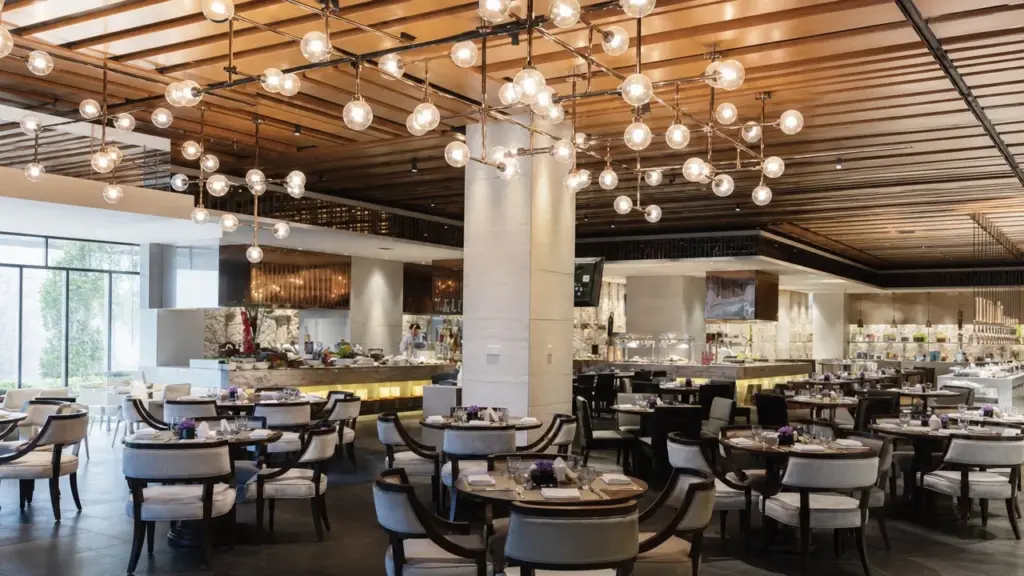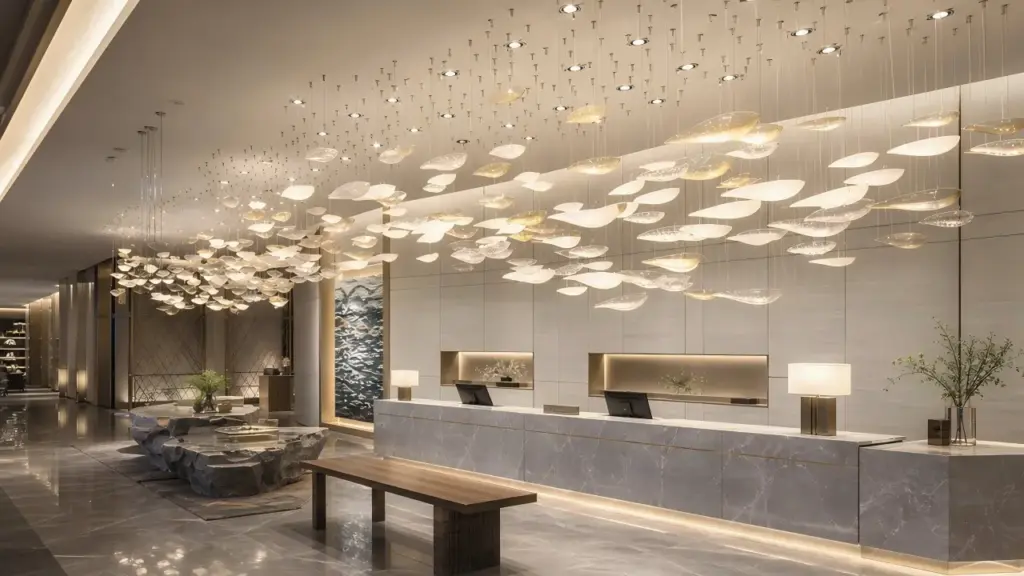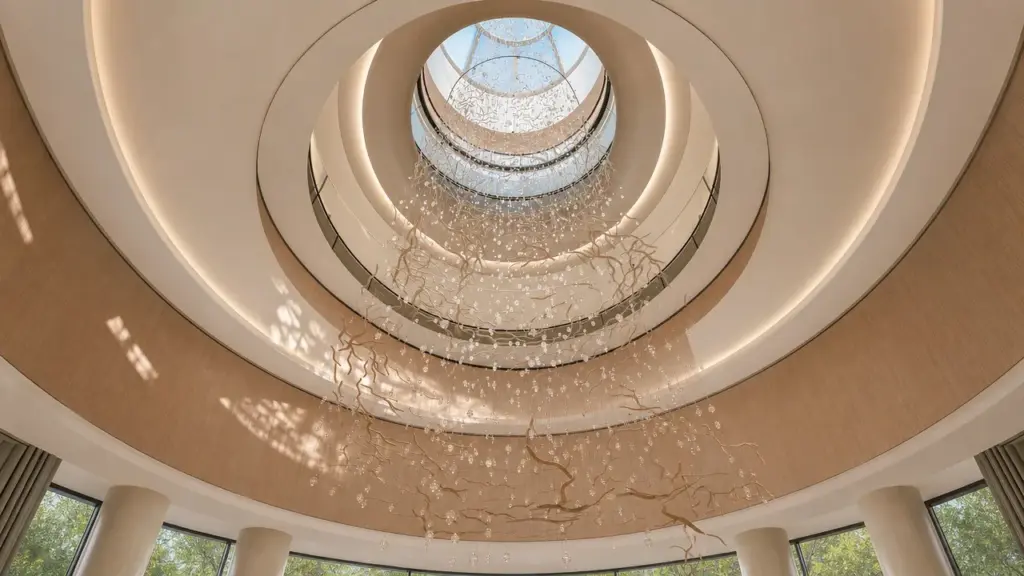
La compra de lámparas de araña para hoteles boutique suele ser un problema de autoridad de diseño, mientras que la compra de lámparas de araña para hoteles de marca es un problema de autoridad de prueba. La luminaria puede parecer similar en las representaciones, pero el camino de aprobación es diferente: el propietario de una boutique puede elegir una historia dramática rápidamente, mientras que una propiedad de marca debe demostrar que la historia se ajusta a un sistema de experiencia, mantenimiento, cumplimiento y repetibilidad del huésped.
Esa diferencia es importante porque las decisiones sobre las lámparas de araña son costosas de revertir. Una pieza del vestíbulo puede afectar la estructura, la atenuación, la identidad del área pública, el acceso de limpieza, las piezas de repuesto, las rutas de entrega y la reputación del operador. Por lo tanto, los equipos de adquisiciones más inteligentes hacen una pregunta simple antes de comparar ofertas: ¿quién tiene la autoridad para cambiar el diseño y quién debe demostrar que el dispositivo final funcionará después de la apertura?
Para Kinglong Lighting, la función útil no es anteponer un tipo de hotel a otro. Su objetivo es ayudar a los propietarios, diseñadores y equipos de compras a traducir el modelo operativo elegido en dibujos, muestras, pruebas de color, embalaje y evidencia de liberación antes de la producción.
Conclusiones clave
- Autoridad primero: Los proyectos boutique avanzan más rápido cuando un propietario puede aprobar los cambios, pero la misma libertad puede generar retrabajos tardíos.
- Prueba de marca: Los hoteles de marca suelen necesitar un archivo de pruebas más sólido porque la coherencia es importante en muchas propiedades.
- Riesgo del proveedor: El mejor proveedor de lámparas de araña es aquel que puede documentar las decisiones, no sólo fabricar belleza.
- Compensación de diseño: La memorabilidad de la boutique y la repetibilidad de la marca pueden funcionar cuando el archivo de prueba coincide con la ruta de decisión.
- Relevancia de Kinglong: La iluminación hotelera personalizada necesita dibujos, muestras, pruebas y coordinación de la instalación por parte del proveedor.
La verdadera diferencia es quién posee el control de cambios.
Un brief de lámpara de araña boutique generalmente se gana con una historia más sólida; un brief de lámpara de araña para hotel de marca generalmente se gana con un expediente de aprobación más limpio.
Las páginas públicas de políticas de marcas de hoteles muestran por qué las adquisiciones se han vuelto más amplias que la apariencia. Marriott mantiene materiales de proveedores y de negocios responsables en su centro de políticas Serve 360. Hilton publica un Política de abastecimiento responsable. IHG publica un política de compras responsables. Estos documentos no son especificaciones de lámpara de araña, pero muestran la dirección de la cadena de adquisiciones: los proveedores son evaluados como propietarios de riesgos, no sólo como proveedores de productos.
Un hotel boutique aún puede ser muy disciplinado y un hotel de marca aún puede ser muy creativo. La separación no es gusto. Es gobernanza. Cuando el propietario de una boutique solicita una lámpara de araña escultural para el vestíbulo, un propietario, un equipo de diseño y un operador pueden llegar a un acuerdo final. Cuando una propiedad de marca solicita una lámpara de araña en el vestíbulo, la misma luminaria puede necesitar alineación con la revisión de la marca, la revisión eléctrica y de incendios, las operaciones del hotel, las compras, el presupuesto del propietario, el mantenimiento y, a veces, la aprobación del diseño regional.
La flexibilidad boutique puede ocultar pruebas faltantes
Los proyectos boutique a menudo se mueven a través de la personalidad y la narrativa. El propietario quiere un momento de llegada memorable, el diseñador quiere un dispositivo que fotografíe bien y es posible que se le pida al proveedor que cree un prototipo rápidamente. Eso puede ser eficiente. También puede omitir decisiones silenciosas que luego se vuelven dolorosas: acceso del driver, limpieza de cristales, numeración de módulos de reemplazo, compatibilidad de atenuación, ruta de carga del techo y el acabado maestro exacto para repetir si se solicita un segundo dispositivo.
El mecanismo es una brecha de información. Debido a que el círculo de aprobación es más pequeño, el equipo puede asumir que todos comparten la misma imagen de la lámpara de araña final. El comprador aprueba una representación, el diseñador aprueba el ambiente, la fábrica construye a partir de un dibujo y el instalador descubre que la habitación necesita una ruta de servicio diferente. La libertad sólo tiene valor cuando el proveedor la convierte en un archivo de autorización documentado.
Los hoteles de marca reducen la ambigüedad añadiendo etapas
Los proyectos de marca tienden a crear más etapas antes de la producción. El equipo del proyecto puede solicitar dibujos, muestras, notas de color, evidencia de certificación, fotografías de maqueta, método de instalación, repuestos e instrucciones de mantenimiento. Esas etapas pueden parecer lentas, pero protegen la propiedad de una falla común: una hermosa lámpara de araña que no se ajusta a las expectativas operativas una vez que el hotel abre.
Para un proveedor, el requisito oculto es la disciplina de versiones. Si se aprueba una muestra con un tono metálico y el dibujo utiliza otro, el equipo del hotel de la marca lo tratará como un riesgo de liberación. Si una lámpara de araña de zona pública requiere un equipo de limpieza especial pero no se le informó al equipo de mantenimiento, el problema no es sólo estético. Se convierte en una carga para el operador. La adquisición de marca incluye estas decisiones en el expediente antes de que un depósito se convierta en un compromiso de producción.
¿Qué estándares de marca cambian en el archivo de lámpara de araña?
Los estándares de marca remodelan la contratación al trasladar la atención de la belleza aislada a la evidencia repetible. Un paquete de lámpara de araña para un hotel de marca debería facilitar la respuesta a cinco preguntas: ¿la luminaria se ajusta a la experiencia de la marca, puede el operador mantenerla, puede el proveedor reproducir acabados aprobados, se pueden verificar las evidencias de seguridad y pruebas, y puede el equipo de instalación ensamblarlo sin improvisar en el vestíbulo?
| Área de decisión | Tendencia de hoteles boutique | Tendencia hotelera de marca | Pruebas del proveedor a solicitar |
|---|---|---|---|
| Aprobación del concepto | El propietario y el diseñador juzgan la fortaleza de la historia. | La revisión de la marca verifica la idoneidad de la identidad | Representación a escala, tablero de materiales, acabado maestro. |
| Control de especificaciones | Los cambios pueden ser informales. | Los cambios necesitan aprobación rastreable | Registro de revisión y registro de muestra firmado |
| Operación | El mantenimiento puede resolverse tarde | El mantenimiento es parte de la revisión de riesgos. | Ruta de limpieza, lista de repuestos, acceso del driver. |
| Cumplimiento | La evidencia puede seguir el orden. | Se revisan las pruebas antes de su liberación. | Ruta de prueba, plan de etiquetas, notas sobre el mercado de destino. |
| Riesgo de implementación | Domina la unicidad de propiedad única | La repetibilidad importa en todas las propiedades | Trazabilidad de lotes y codificación de piezas de repuesto |
La conclusión es que las compras boutique necesitan libertad disciplinada, mientras que las compras de marca necesitan creatividad documentada. El contrato puede ser expresivo en ambos casos, pero el expediente del proveedor debe responder a diferentes inquietudes de aprobación.
La calidad de la iluminación todavía necesita disciplina técnica
La biblioteca de Iluminación IES Proporciona un contexto profesional para aplicaciones, controles, mantenimiento y prácticas de iluminación. Las preguntas frecuentes sobre DOE TM-30 ayuda a los equipos a discutir la reproducción del color más allá de vagas afirmaciones sobre calidez o riqueza. Pruebas y certificación de luminarias UL refuerza que un archivo de luminaria necesita evidencia más allá de una hermosa foto de producto. Estas fuentes no deciden el estilo del hotel, pero apoyan un hábito de adquisición: traducir la atmósfera en controles mensurables.
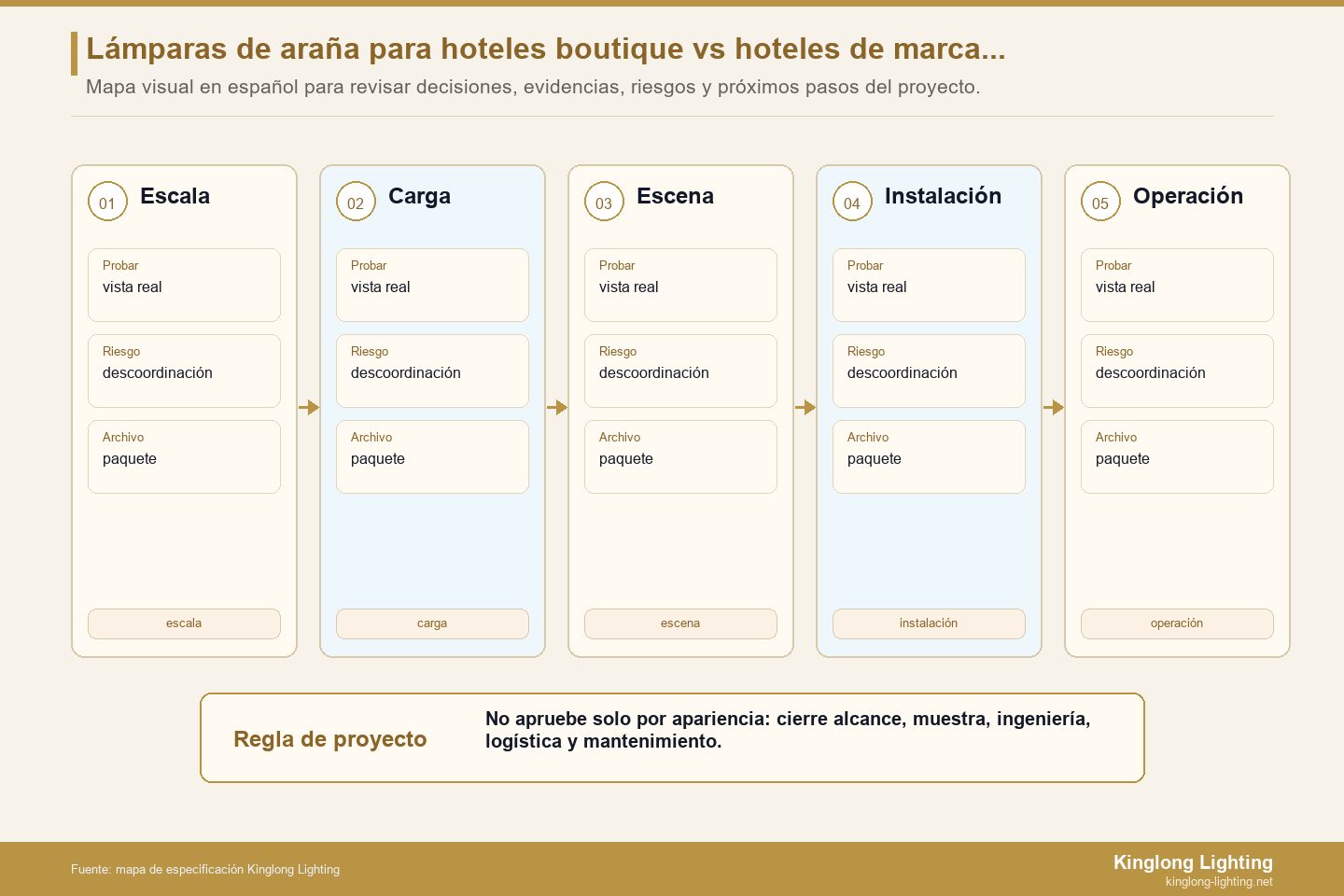
Calculado a partir de un archivo de lámpara de araña de 5 etapas: 2 etapas faltantes / 5 etapas requeridas = 40 por ciento del expediente de aprobación sin resolver, y la parte no resuelta generalmente termina en la fase más costosa. Si lo que falta es el mantenimiento y el cumplimiento, un precio de compra bajo puede convertirse en una decisión de alto riesgo. En la práctica, el comprador debería tratar un expediente de evidencia débil como un costo retrasado, no como una ruta más rápida.
Donde Kinglong Lighting encaja naturalmente en la decisión
Kinglong Lighting es relevante porque la compra de lámparas de araña para hoteles a menudo necesita un puente entre la ambición del diseño y la prueba de fábrica. La iluminación de hostelería La página enmarca la aplicación del hotel, mientras que la flujo de trabajo de personalización admite dibujos, materiales y transferencia de producción personalizados. Para los hoteles de marca, ese puente debería facilitar la aprobación del expediente de pruebas. Para los hoteles boutique, debería evitar que la libertad creativa se convierta en una ambigüedad tardía.
La solicitud de adquisición útil no es simplemente “enviar opciones”. Solicite un archivo que separe la intención del diseño, la muestra de material, la ruta eléctrica, la ruta de mantenimiento, el plan de embalaje y los supuestos de instalación. Si el proveedor no puede separar esos temas, el equipo del proyecto se verá obligado a resolverlos más adelante, cuando los cambios de diseño sean más lentos y costosos.
Traspaso de adquisiciones antes de la cotización
Antes de solicitar precios, alinee el camino de aprobación. El comprador de una boutique debe nombrar quién toma la decisión creativa final y los problemas que no pueden cambiar después de la maqueta. El comprador de un hotel de marca debe enumerar las etapas de revisión requeridas y el formato de evidencia esperado por la marca, el operador, el propietario y el contratista. Ambos deben definir el mercado de destino, la condición del techo, el sistema de atenuación, el acceso al servicio, la ruta de entrega y la autoridad de aprobación de muestras.
Si el proyecto ya está cerca de las especificaciones, envíe a Kinglong Lighting la función de la habitación, las imágenes conceptuales, los dibujos, la información del techo, los materiales de destino, el mercado de destino y las etapas de aprobación requeridas a través del revisión de compra de lámparas de araña personalizadas. Pídale al equipo que identifique qué partes del archivo son decisiones de diseño, cuáles son decisiones de fabricación y cuáles son riesgos de instalación.
Guías relacionadas
- Adquisición de lámparas de araña de cadenas hoteleras: análisis entre marcas
- Estándares de iluminación de las propiedades de la marca Hilton: Conrad vs Curio
- Punto de referencia de iluminación Four Seasons
Un archivo de lámpara de araña de boutique versus marca debería exponer el control de cambios
La comparación útil entre las lámparas de araña de los hoteles boutique y de marca no es sólo la libertad visual frente a la coherencia de la marca. Se trata de quién puede aprobar el cambio, qué evidencia debe seguir a esa aprobación y cuándo el proveedor puede tratar el diseño como listo para cotizar. Los proyectos boutique pueden avanzar rápidamente porque pueden participar menos partes interesadas. Los proyectos de marca pueden avanzar con seguridad porque los estándares y las etapas de revisión reducen la ambigüedad. Ambos caminos necesitan un traspaso claro antes de la producción personalizada.
Haz visible la libertad boutique
La libertad boutique es valiosa cuando el propietario, el diseñador y el proveedor acuerdan los límites de esa libertad. El archivo debe nombrar la intención del diseño, la variedad de materiales, la sensibilidad presupuestaria, los supuestos de instalación y la persona que puede aprobar una revisión tardía. Sin ese límite, la flexibilidad creativa puede convertirse en una fuente de repetidos rediseños, cambios de acabado o crecimiento del alcance. Un proveedor de lámparas de araña personalizadas puede respaldar mejor el trabajo de una boutique cuando la libertad se traduce en un conjunto controlado de opciones.
Dar a los estándares de marca una salida creativa
Los hoteles de marca necesitan coherencia, pero eso no significa que todas las lámparas de araña deban parecer genéricos. El archivo de marca debe identificar dónde se permite la creatividad: clave de material local, proporción, detalle de sombra, comportamiento de la escena, ritmo decorativo o punto focal del vestíbulo. También debe identificar lo que no se puede mover: evidencia de seguridad, ruta de mantenimiento, muestra maestra de acabado, comodidad de los huéspedes, requisitos del revisor de marca y acceso a la instalación. Esa separación permite que el proyecto se sienta específico sin obligar al equipo de la marca a rechazar todo el concepto.
Utilice un archivo de proveedor con diferentes etapas
Kinglong Lighting puede presentar opciones boutique y de marca a través de una estructura de archivos de proveedor mientras cambia el énfasis de la etapa. Es posible que el trabajo boutique necesite un seguimiento de revisión más estricto y la aprobación del propietario. El trabajo de marca puede necesitar notas de cumplimiento más claras, historial de revisores y continuidad de la documentación. En ambos casos, el archivo debe incluir dibujos, muestras, pruebas de materiales, notas de control, lógica de embalaje, estrategia de repuestos y un límite de aprobación final. Eso le da a la adquisición una forma de comparar el riesgo en lugar de comparar solo el estado de ánimo visual.
Decide antes de cotizar lo que cuesta un cambio
Los cambios más costosos suelen ser los que parecen pequeños: un ajuste de acabado después de la aprobación de la muestra, un cambio de tamaño después de la ingeniería, un movimiento del driver después de la coordinación del techo o un cambio de densidad del cristal después de establecer la lógica de empaquetamiento. El expediente de adquisiciones debe indicar qué cambios son un refinamiento gratuito del diseño, cuáles reabrirán la ingeniería y cuáles requieren una nueva cotización. Ése es el verdadero límite entre la flexibilidad creativa y el costo incontrolado.
Mantenga el resumen final lo suficientemente breve como para usarlo
El archivo de control de cambios no necesita convertirse en un largo manual. Debe ser lo suficientemente breve para que el propietario, el revisor de la marca, el diseñador, el responsable de adquisiciones y el proveedor lo utilicen en una sola reunión. Una versión sólida nombra la ruta del proyecto, los propietarios de la aprobación, las pruebas requeridas, los elementos flexibles, los elementos congelados y el desencadenante de la revisión de precios. Esto le da a Kinglong Lighting una base práctica para cotizar y, al mismo tiempo, deja suficiente espacio para el desarrollo del diseño donde el proyecto realmente lo necesita.
Una vez que se acuerda ese informe, cada revisión se puede registrar en la misma estructura. El equipo puede ver si un cambio es una mejora del diseño, un requisito de marca, una aclaración de adquisiciones o un riesgo de fabricación. Esa visibilidad es lo que evita que un proyecto de lámpara de araña personalizado se desvíe y al mismo tiempo permite que maduren las decisiones creativas.
Preguntas frecuentes
¿Los hoteles boutique necesitan documentación sobre lámparas de araña estilo marca?
Sí, los hoteles boutique necesitan documentación cuando la lámpara de araña afecta la estructura, la seguridad, la atenuación, el mantenimiento o las piezas de repuesto. La documentación puede ser más liviana que un archivo de una cadena de hoteles, pero aun así debe reflejar el acabado, las dimensiones, los supuestos eléctricos, el acceso de limpieza, las piezas de repuesto y la secuencia de instalación aprobados. El círculo de aprobación más pequeño debería acelerar las decisiones, no eliminar pruebas.
¿Por qué los hoteles de marca piden más pruebas de proveedores?
Los hoteles de marca piden más pruebas porque la lámpara debe proteger la experiencia de los huéspedes, la coherencia del operador y la reputación en un sistema más amplio. Un dispositivo que se ve bien en una representación aún puede fallar si es difícil de limpiar, incompatible con los controles, no está documentado para ser reemplazado o tiene pruebas de cumplimiento deficientes. La evidencia reduce esos riesgos repetibles antes de la producción.
¿Puede el mismo diseño de lámpara de araña funcionar para ambos tipos de hoteles?
El mismo lenguaje de diseño puede funcionar para ambos tipos de hotel si cambia el archivo de aprobación. Una versión boutique puede priorizar la historia, la expresión material y la aprobación del propietario. Una versión de marca debería agregar un control de revisión más estricto, notas de mantenimiento, evidencia de pruebas y documentación de instalación. El producto puede parecer similar, pero el paquete de adquisición no debe ser idéntico.
¿Qué deben enviar los compradores antes de solicitar una cotización?
Los compradores deben enviar dibujos, condiciones del techo, función de la habitación, imágenes conceptuales, dimensiones objetivo, preferencias de materiales, mercado de destino, supuestos de control, restricciones de mantenimiento y etapas de aprobación. Si se desconoce alguno de estos, el proveedor debe identificar el riesgo antes de fijar el precio. Es más probable que una cotización sin esos aportes oculte decisiones posteriores.