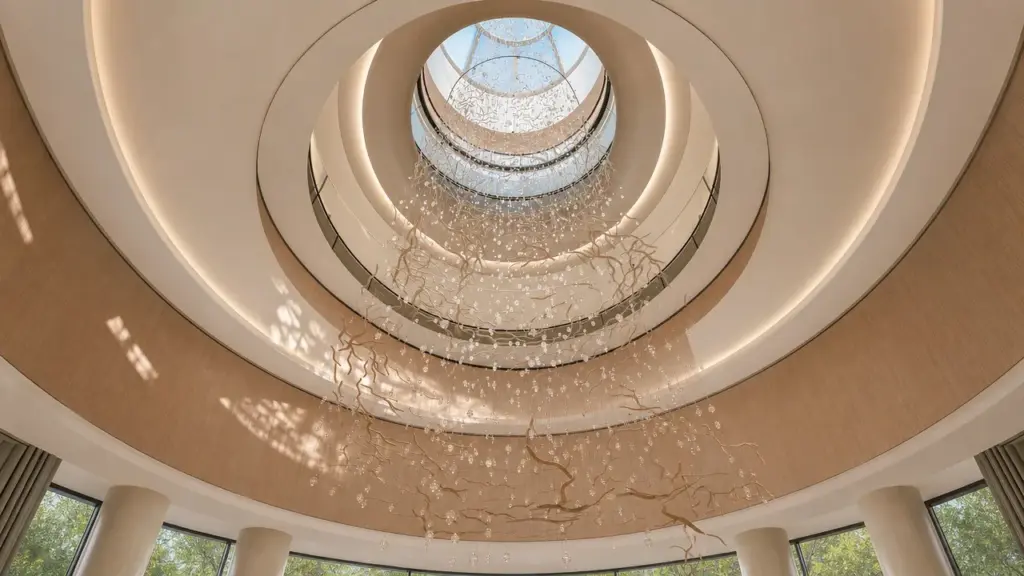
Большие люстры в отелях попадают в 30%-ную зону риска переделок, когда проект утверждает светильник до того, как будут подтверждены путь нагрузки, модули, элементы управления, упаковка и право собственности на объект. Цифру в 30% следует рассматривать как порог проектного риска, а не как неизбежный отраслевой закон. Согласно нашему анализу 10-этапного установочного пакета, если 3 критических шага остаются непроверенными перед отправкой, проект уже создает 30% вероятность отказа, прежде чем кто-либо откроет ящик на месте. Часть доработок, которой можно избежать, обычно начинается с файла утверждения, а не с подъема.
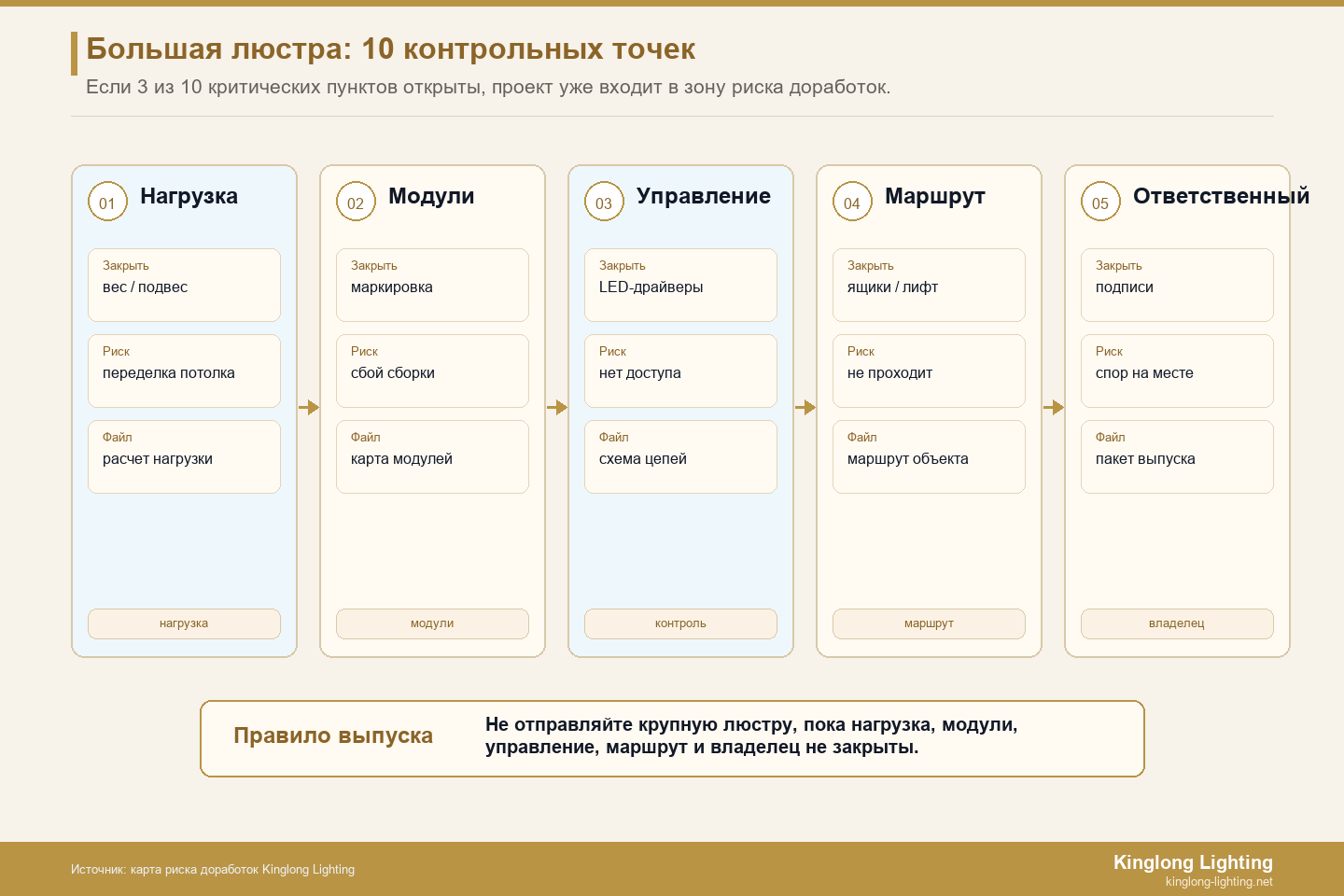
Большие люстры выходят из строя иначе, чем маленькие декоративные светильники. Они пересекают границы дизайна, инженерии, производства, логистики, электрики, потолков и гостиничных операций. В запоздалой проблеме можно винить установщика, но основной причиной может быть отсутствие чертежа подвески, предположение о доступе к LED-драйверам, ошибка последовательности ящиков, конфликт потолочного отверстия или макет, который никогда не отражал производственную сборку.
Ключевые выводы
- 30% — сигнал риска: Относитесь к этому как к 3 нерешенным критическим шагам из 10, а не как к универсальной рыночной статистике.
- Переработка начинается раньше: Большинство предотвратимых сбоев при установке возникают до отгрузки.
- Право собственности должно быть названо: Проектировщикам, инженерам, фабрикам, подрядчикам, электрикам и гостиничным операторам необходимы видимые правила передачи управления.
- Поддержка сайта имеет значение: Большие люстры, изготовленные по индивидуальному заказу, часто нуждаются в руководстве по установке на заводе или в технической поддержке.
- Доказательства выпуска: Придерживайте поставку до тех пор, пока не будут подтверждены путь нагрузки, схема модулей, элементы управления, порядок ящиков и метод установки.
Считайте цифру 30% зоной риска, а не отраслевым законом.
Полезный вопрос не в том, есть ли в каждом проекте 30%-ная доля доработок; вопрос в том, оставил ли этот проект нерешенными 3 из 10 важных вопросов установки.
Переделка конструкции является общепризнанной проблемой реализации проекта. Институт строительной индустрии публикует руководство по сокращению доработок, а запись TRID для измерения влияния переделки на эффективность затрат на строительство описывает исследование с использованием базы данных проекта CII. Эти источники не являются руководствами по гостиничным люстрам, но они подтверждают более широкую точку зрения: доработка обычно представляет собой проблему управления процессом, а не ремесленную проблему.
Для гостиничных люстр зону риска 30 % можно смоделировать просто. Перечислите 10 установочных контрольных точек: окончательные размеры, вес, точки подвески, потолочное отверстие, доступ к LED-драйверам, группу управления, схему модулей, последовательность установки ящиков, маршрут на объекте и владельца установки. Если 3 пункта не решены при выпуске поставки, проект не является безопасным на 70%; он содержит 30% неразрешенных важных доказательств. Опыт Kinglong Lighting в гостиничном освещении актуален, потому что крупные нестандартные светильники нуждаются в такой дисциплине контрольных точек, прежде чем дата открытия отеля превратит каждый вопрос в задержку.
Причина доработки 1: путь нагрузки был принят, не доказан
Люстра может быть одобрена визуально, в то время как потолок еще не имеет подтвержденного пути веса, вибрации, доступа и ответственности за крепление.
Большие люстры для отелей требуют предварительного согласования с инженером проекта и подрядчиком по потолку. На чертеже должен быть указан вес светильника, метод подвески, интерфейс навеса, точки крепления и любые предположения о вторичной поддержке. Красивый рендеринг не отвечает на эти вопросы. Если потолок уже закрыт или установлена декоративная отделка, корректировка пути нагрузки становится переделкой, даже если сам светильник был изготовлен правильно.
Доказательства безопасности также входят в комплект поставки. В зависимости от рынка и местных властей командам может понадобиться словарный запас из Испытание и сертификация светильников UL, OSHA Программа НРТЛ, или МЭК 60598. Производитель не заменяет инженера-проектировщика, но он должен предоставить данные о продукте и предположения, необходимые инженеру.
Причина доработки 2: порядок модулей и ящиков не был задан при установке.
Упаковка большой люстры должна соответствовать последовательности установки, а не только удобству завода или логике картонной коробки экспедитора.
Многие большие люстры поставляются в виде модулей. Если модули, этикетки, оборудование, стекло, кристалл, драйверы и запасные части не сопоставлены с последовательностью установки, команды на объекте теряют время на подбор деталей. Ящик может быть технически полным, но при этом сбивать с толку с точки зрения эксплуатации. Карта упаковки должна указывать установщику, что открывается первым, что остается защищенным, какие компоненты хрупкие, какие инструменты необходимы и какие запасные части должны храниться в отеле.
| Незакрытая контрольная точка | Типичный триггер переделки | Доказательства перед отправкой |
|---|---|---|
| Путь нагрузки | Конфликты потолочных опор или точек крепления после прибытия | Вес, подвеска, фонарь и примечания инженера по обзору |
| Карта модуля | Неправильный порядок сборки или недостающее оборудование в день подъема | Чертеж нумерованного модуля и последовательность установки ящиков |
| Элементы управления | Доступ к LED-драйверам, группировка цепей или несоответствие яркости | Данные LED-драйверов, контрольная записка и место доступа |
| Маршрут на объекте | Ящик не может попасть в вестибюль, бальный зал или зону доступа к лифту. | Размеры ящика и подтверждение маршрута объекта |
Причина переделки 3: элементы управления и доступ остались на месте.
Установка люстры не считается завершенной, если никто не может получить доступ к LED-драйверам, заменить компоненты, очистить светильник или ввести сцену в эксплуатацию без вскрытия готовых работ.
LED-драйверы, диммеры, аварийные интерфейсы, зоны управления, панели доступа и маршруты обслуживания должны быть согласованы до выпуска продукции. Библиотека освещения IES включает темы по вводу в эксплуатацию и техническому обслуживанию, поскольку системы освещения предназначены для эксплуатации, а не просто для установки. Для гостиничных проектов это важно, поскольку светильник, который невозможно обслуживать корректно, после открытия станет эксплуатационной проблемой.
Завод должен предоставить руководство по установке, но команда на объекте должна обеспечить безопасность и доступ на месте. Для сложных светильников заводская техническая поддержка во время установки может предотвратить пробелы в интерпретации. Kinglong Lighting индивидуальный производственный процесс следует использовать для уточнения того, какая поддержка включена, чем владеет подрядчик и что необходимо проверить перед тем, как ящики покинут завод.
Основываясь на нашем анализе установочного файла с 10 контрольными точками, самые рискованные пункты обычно пересекают зоны ответственности разных владельцев: точки подвески, доступ к LED-драйверам, маршрут ящика, последовательность модулей и поддержка на объекте. Каждый выглядит как маленькая деталь, пока светильник не упакован. Если завод предполагает, что подрядчик обеспечит доступ, подрядчик предполагает, что проектировщик утвердил потолок, а проектировщик предполагает, что инженер проверил нагрузку, то группа на объекте наследует пробел в ответственности. Это означает, что зона риска 30% часто создается тремя пропущенными решениями, а не одной серьезной ошибкой.
Практический метод предотвращения — добавить точку удержания перед упаковкой. Точка удержания должна задать 5 вопросов: проверил ли инженер предполагаемую нагрузку, проверено ли соединение с потолком, была ли карта модулей сопоставлена с порядком ящиков, подтвердил ли владелец системы управления доступ к LED-драйверам и подтвердил ли отель маршрут объекта и доступ для подъемника? Если ответ неясен на 2 или 3 из этих вопросов, проект не должен делать вид, что установка готова. Переделка большой люстры стоит дорого, потому что исправление происходит внутри готовой архитектуры. Недостающую деталь можно доставить, но неправильное место крепления или недоступный LED-драйвер могут потребовать ремонта потолка, изменения графика работ и защиты гостевой зоны.
График объекта также меняет цену каждой ошибки. Люстру в вестибюле можно установить, пока пол защищен, столярные работы на стойке регистрации завершены, количество лифтов ограничено, а фотосъемка открытия уже запланирована. Бальная люстра может делить комнату с группами AV, потолочными, спринклерными и подвижными перегородками. Если один модуль не подходит, проблема может заблокировать несколько подрядчиков, а не одного установщика. Вот почему пакет выпуска должен включать последовательность действий на объекте, а не только заводской чертеж. На упаковке должно быть указано, что распаковывается первым, кто проверяет соосность, кто утверждает подачу питания, кто регистрирует дефекты и кто хранит запасные части после передачи. Он также должен включать триггер остановки работы: если точка крепления, расположение LED-драйвера или метка модуля не соответствуют подписанному файлу, установщик делает паузу для письменных разъяснений, а не импровизирует внутри готового помещения отеля.
Для очень больших люстр в файле выпуска также должен быть указан канал связи в день установки. Установщику необходимо знать, кто может отвечать на вопросы модуля, кто может утверждать незначительную корректировку, кто может отвергать небезопасную импровизацию и кто записывает уроки для будущего обслуживания. Короткий ежедневный фотожурнал также может защитить всех, поскольку фиксирует, какие модули были открыты, что было принято и где впервые появилось отклонение. Эта запись становится базовой для обслуживания.
Похожие руководства
- Структура закупок освещения для отелей
- Руководство по характеристикам люстр для бальных залов
- Общая стоимость люстры для отеля
Карта предотвращения доработок при установке
- Приостановить отгрузку, если 3 из 10 установочных вопросов не решены.
- Подтвердите путь загрузки, карту модуля, элементы управления, маршрут ящика и владельца.
- Запросите заводское руководство по установке крупных светильников, изготовленных по индивидуальному заказу.
- Попросите Kinglong Lighting просмотреть выпускной пакет перед упаковкой.
- Отправляйте чертежи, сведения о потолке, маршрут объекта, размер светильника, место назначения и объем установки через запрос проекта большой люстры.
Файл выпуска для установки должен закрывать контрольные точки владельцев перед отправкой.
Крупная переделка люстры обычно появляется на месте, но ее причины часто видны в файле согласования. Путь нагрузки, последовательность модулей, маршрут ящика, доступ к LED-драйверам, элементы управления и поддержка на месте — все это принадлежит разным владельцам. Если проектировщик предполагает, что подрядчик обеспечит доступ, подрядчик предполагает, что поставщик промаркировал модули, а поставщик предполагает, что маршрут объекта свободен, проект уже включил в процесс доработку.
Сделайте путь нагрузки подписанной контрольной точкой выпуска
В файле выпуска должны быть указаны вес, метод подвески, точки крепления, интерфейс навеса, предположения о вторичной поддержке и сторона, ответственная за утверждение конструкции на местном уровне. Рендеринг не может подтвердить эти элементы. Люстра может выглядеть одобренной, в то время как реальный путь нагрузки остается условным. Этот зазор становится дорогостоящим, когда потолок закрыт или светильник уже отправлен.
Сделайте заказ ящика, следуя порядку установки
Крупные нестандартные светильники не следует упаковывать только из соображений удобства производства. Коробки, модули, оборудование, стекло или кристалл, драйверы и запасные части должны быть промаркированы в соответствии с порядком установки. Если рабочая группа на объекте открывает ящики в неправильном порядке или ищет подходящие детали во время подъемных работ, проект теряет время и увеличивает риск повреждения. Таким образом, план упаковки является частью извещения об установке, а не складской деталью.
Определите, что включает в себя заводская поддержка
Заводские чертежи и поддержка на объекте — это разные вещи. В файле должно быть указано, предоставляет ли Kinglong Lighting руководство по установке, удаленную поддержку, техническое обслуживание на месте, идентификацию запасных частей или рекомендации по настройке после установки. В нем также должно быть указано, чем подрядчик владеет на местном уровне. Четкие границы поддержки предотвращают споры в последнюю минуту, когда проблема появляется в вестибюле.
Используйте точку удержания перед окончательной упаковкой
Самый сильный шаг по предотвращению переделок — это остановка перед окончательной упаковкой. В этот момент проект все еще может проверить метки модулей, последовательность ящиков, доступ к драйверам, недостающее оборудование, запасные части, маршрут объекта и невыполненные обязанности владельца. Если точка удержания пропущена, следующая возможность может появиться после того, как светильник прибудет в отель, когда каждая коррекция будет стоить больше времени и вовлекать больше людей.
Перед отправкой запросите файл выпуска с десятью контрольными точками, в котором указаны путь нагрузки, крепления, метки модулей, маршрут ящика, доступ к LED-драйверам, элементы управления, аварийный интерфейс, маршрут обслуживания, поддержка на месте и подпись владельца. Если три контрольные точки остаются открытыми, рассматривайте отгрузку как решение о риске переделок, а не как обычный этап доставки.
В файле разрешения также должно быть указано, кто может принять условную поставку. Иногда проект предпочитает отправляться, пока один локальный элемент остается открытым, например окончательный график подъема или подтверждение доступа к потолку. Это может быть разумным только тогда, когда записаны открытый объект, владелец, крайний срок и резервный план. В противном случае это состояние становится невидимым риском доработки.
После установки для передачи следует использовать тот же файл. Фотографии окончательной подвески, порядка модулей, расположения драйверов, панелей доступа и запасных частей дают отелю практический отчет для будущего обслуживания. Предотвращение доработок заключается не только в предотвращении проблем при первой установке; речь также идет об упрощении планирования следующего визита в сервисный центр.
Запись о передаче должна быть достаточно короткой, чтобы ее могла использовать команда инженеров отеля. Длинная техническая папка, которую никто не открывает, не предотвратит ошибок в будущем. В полезной версии указаны состояние установки, запасные части, метод доступа и контактный путь для уточнения поставщика. Это делает установочный файл ценным после открытия, а не только во время сборки.
Часто задаваемые вопросы
Означают ли 30%, что каждый крупный проект люстры имеет такую же долю доработок?
Нет. Считайте 30% моделью зоны риска: 3 нерешенные критические контрольные точки установки из 10. Это практическое предупреждение о выбросах, а не универсальная отраслевая статистика.
Что вызывает переделку установки большой люстры в отеле?
Распространенные причины включают неподтвержденный путь загрузки, нечеткую схему модулей, проблемы с доступом к драйверам, несоответствие управления, путаницу в последовательности ящиков, конфликты потолков, отсутствие оборудования и отсутствие имени владельца установки.
Когда следует планировать поддержку завода?
Запланируйте заводскую поддержку перед отправкой крупных, нестандартных, модульных светильников или светильников с высоким риском. Завод может уточнить порядок модулей, хрупкие компоненты, последовательность сборки и запасные части, в то время как местная команда отвечает за код и безопасность объекта.
Какие доказательства следует проверить перед отправкой?
Перед выпуском проверьте подписанные чертежи, предположения о весе и подвеске, схему модуля, примечания для драйвера и органов управления, этикетки на ящиках, маршрут объекта, руководство по установке, запасные части и обязанности владельца.