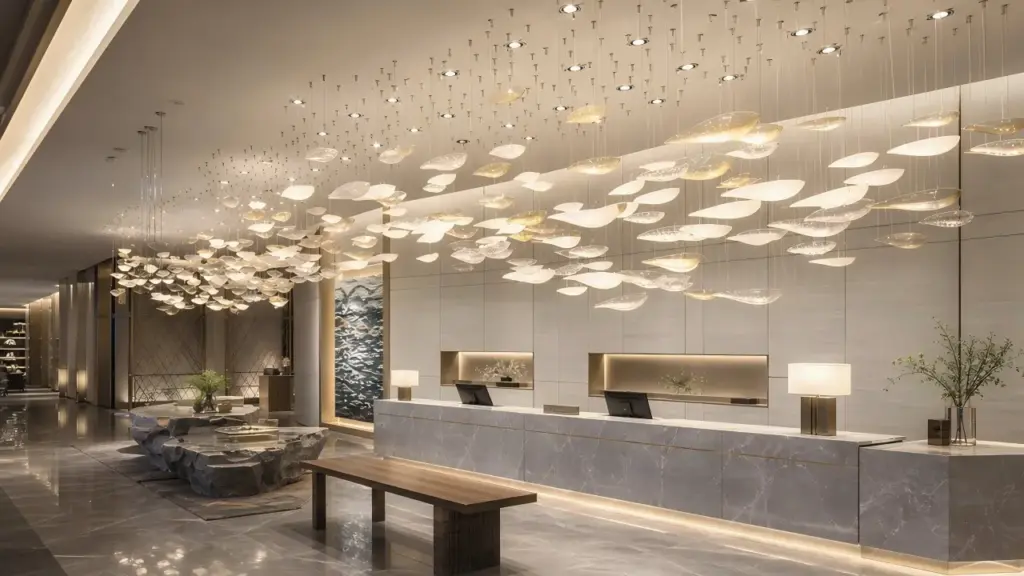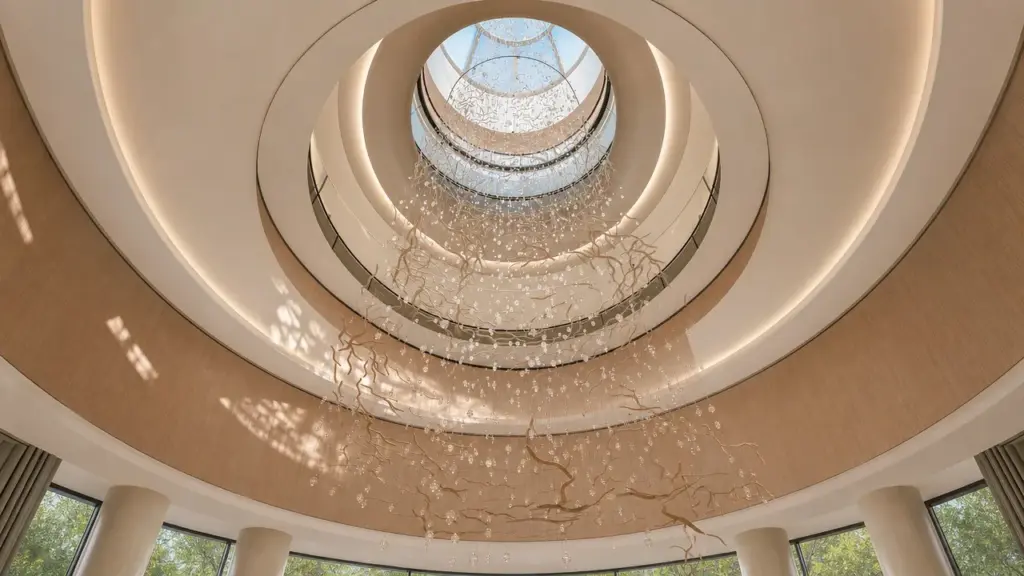
Многоуровневое освещение бального зала не работает, если в качестве типов светильников вместо обязанностей сцены указаны окружающие, декоративные и акцентные слои. Люстра не является автоматически декоративным слоем, потолочные светильники не являются автоматически окружающим слоем, а настенные светильники не являются автоматически акцентным слоем. У каждого уровня есть своя задача: базовая видимость, идентичность отеля, фокальная иерархия, гибкость мероприятий, комфорт гостей и поддержка операций.
Основываясь на нашем анализе делимого бального зала площадью 900 м2 со сценами гала-конференций, конференций, свадеб и служб, самое безопасное задание на проектирование включает в себя как минимум три независимо контролируемые обязанности: освещение окружающего пространства для безопасного движения и видимости стола, декоративное освещение для центрального элемента бренда и индивидуальности потолка, а также акцентное освещение для сцены, стены, цветочного или архитектурного акцента. Дело не в фиксированном соотношении мощности. Цель состоит в том, чтобы не допустить, чтобы один слой переносил каждую сцену.
Ключевые выводы
- Уровень ответственности: Окружающие, декоративные и акцентные слои должны определяться заданием, а не этикеткой светильника.
- В бальных залах нужна логика сцены: Гала-концерт, свадьба, конференция, банкет, уборка и разделение комнаты требуют разных приоритетов.
- Декоративный свет не является рабочим светом: Люстры создают индивидуальность, но их не следует заставлять решать все проблемы видимости.
- Элементы управления являются частью стандарта: Многоуровневая конструкция не работает, если зоны не могут затемняться или переключаться независимо друг от друга.
- Доказательство закупки: Попросите график сцены, протокол регулировки яркости, нагрузку люстры, доступ для технического обслуживания и макеты доказательств.
Определите слои по ответственности за сцену
Стандарт – это не «три типа светильников»; стандартом являются три обязанности по освещению, которыми можно управлять во время мероприятий.
Окружающее освещение придает бальному залу полезную основу. Он поддерживает перемещение гостей, сервировку столов, уборку, настройку и недраматичные сцены конференций. Декоративное освещение придает помещению индивидуальность. Это люстра, потолочный элемент, подвесной блок или изготовленная на заказ скульптура, которую гости фотографируют и запоминают. Акцентное освещение придает иерархию. Он направляет внимание на сцену, цветы, стены, произведения искусства, главный стол, фуршет или архитектурный ритм. Когда эти обязанности смешиваются, помещение становится либо плоским, ярким, либо трудным для эксплуатации.
Библиотека освещения IES полезна, потому что она определяет освещение через визуальные характеристики, элементы управления, обслуживание и проектирование, а не через количество светильников. Для бальных залов отелей вывод ясен: график освещения должен быть организован с учетом сцен и задач пользователя до того, как будет завершена работа над декоративной люстрой.
Ambient — запасной слой
Окружающий свет — это слой, который сохраняет пригодность помещения для использования при изменении концепции мероприятия. Он должен обеспечивать циркуляцию гостей, обслуживание банкетов, регистрацию, ведение заметок на конференциях, настройку, уборку и работу разделяемых залов. Его следует регулировать, поскольку для гала-концертов и свадебных сцен могут потребоваться более низкие базовые уровни, а для сцен конференций и служб — более высокая видимость. Если окружающий свет слишком слабый, люстра вынуждена выполнять свою работу. Если окружающий свет слишком сильный или плохо экранируется, комната теряет драматичность и может создавать блики на сцене или за обеденными столами. Отдельная сцена обслуживания полезна, поскольку уборщикам нужна видимость, которую гости никогда не должны видеть во время гала-концерта.
Декоративный слой — это слой идентичности.
Декоративное освещение – запоминающийся слой, но его не следует перегружать. Люстра для бального зала может определять роскошь, масштаб потолка, ракурс камеры и историю бренда. Она также может создавать проблемы с обслуживанием, нагрузкой, бликами и затемнением, если ее рассматривать как основной источник света. Опыт Kinglong Lighting в гостиничном освещении актуален, поскольку изготовленные на заказ люстры для бальных залов требуют проектного замысла, проектирования, производства, упаковки, руководства по установке и будущего обслуживания, чтобы работать как одна система. Люстра должна быть указана с весом, подвеской, затемнением, очисткой и модульной логикой, а не только визуализацией.
Акцент — это слой фокуса
Акцентное освещение придает бальному залу визуальную иерархию, которая меняется в зависимости от события. На свадьбе может потребоваться цветочный акцент и акцент на изголовье стола. Гала-концерт может потребовать драмы на сцене и на стене. На конференции может потребоваться видимость выступающего и снижение ослепления аудитории. На банкете может потребоваться сервировка стола без выравнивания помещения. Поэтому схемы акцентов должны быть документированы по использованию событий, а не только по расположению светильников. Без этой логики управления бальный зал может выглядеть превосходно в одной сцене и неуклюже в другой. В графике акцентов должны быть указаны фокальные поверхности и сцены, в которых каждая поверхность активна.
Используйте стандарты как границы, а не как универсальный рецепт сцены.
Стандарты защищают границы представления, но бальный зал по-прежнему нуждается в кратком описании сцены.
ASHRAE Стандарт 90.1, разработанный с помощью IES, предоставляет контекст управления энергопотреблением и управлением зданиями. Министерство энергетики США Программа строительных энергетических норм — еще один полезный справочник по мышлению с использованием энергетических кодов. Практический урок заключается в том, что освещение бального зала не следует рассматривать как единую постоянную декоративную нагрузку. Слоям необходимы элементы управления, поведение затемнения и логика зонирования, которые реагируют на использование событий, соблюдая при этом требования к энергопотреблению проекта и коду.
WELL Light Concept важен еще и потому, что бальные залы — это места для человеческого опыта. Гости сидят, обедают, слушают, фотографируют, танцуют и перемещаются при меняющемся уровне освещенности. Визуальный комфорт невозможно решить на уровне каталога светильников. Его необходимо проверить по сценам: торжественному входу, сидячему ужину, выступлению, презентации, совещанию, уборке и смене конфигурации зала.
Создайте матрицу сцены бального зала до расписания мероприятий.
| Сцена | Ответственность за окружающую среду | Декоративная ответственность | Акцент ответственности | Доказательство контроля |
|---|---|---|---|---|
| Гала-ужин | Низкая базовая видимость | Теплая центральная часть | Сцена и цветочный фокус | Независимые сцены затемнения |
| Конференция | Более высокая видимость таблицы | Уменьшенный блеск | Динамик и стена в фокусе | AV-совместимое управление |
| Свадьба | Мягкий комфорт для гостей | Удобная для камеры идентичность | Главный стол и проход | Фото и видео обзор |
| Очистка/настройка | Высокая равномерная видимость | Уровень безопасности обслуживания | Минимальный | Отдельная сцена обслуживания |
Часто задаваемые вопросы TM-30 и позиция IES по TM-30 также уместны в спецификации бального зала, потому что еда, цветы, тон кожи, ткани и отделка меняются при разных источниках света. Задача не в том, чтобы перегружать спецификацию люстры всеми цветовыми показателями, а в том, чтобы декоративные и акцентные слои не искажали премиальные материалы при затемнении.
Сбои слоев карты как риск сцены
Самая дорогая проблема освещения бального зала – это сцена, которую невозможно создать после того, как светильники уже установлены.
Плоские торжественные сцены обычно появляются, когда доминирует окружающий свет, а декоративные/акцентные слои не могут создать иерархию. Сценические блики появляются, когда светильники направленного света или люстры направлены без учета расположения говорящих. Слабый эффект центрального элемента проявляется, когда люстра масштабируется как светильник, но не интегрируется с яркостью потолка, расположением стола и ракурсами камеры. Перекрытие управления появляется, когда окружающие, декоративные и акцентные нагрузки соединяются вместе, поскольку расписание светильников было утверждено до матрицы сцены.
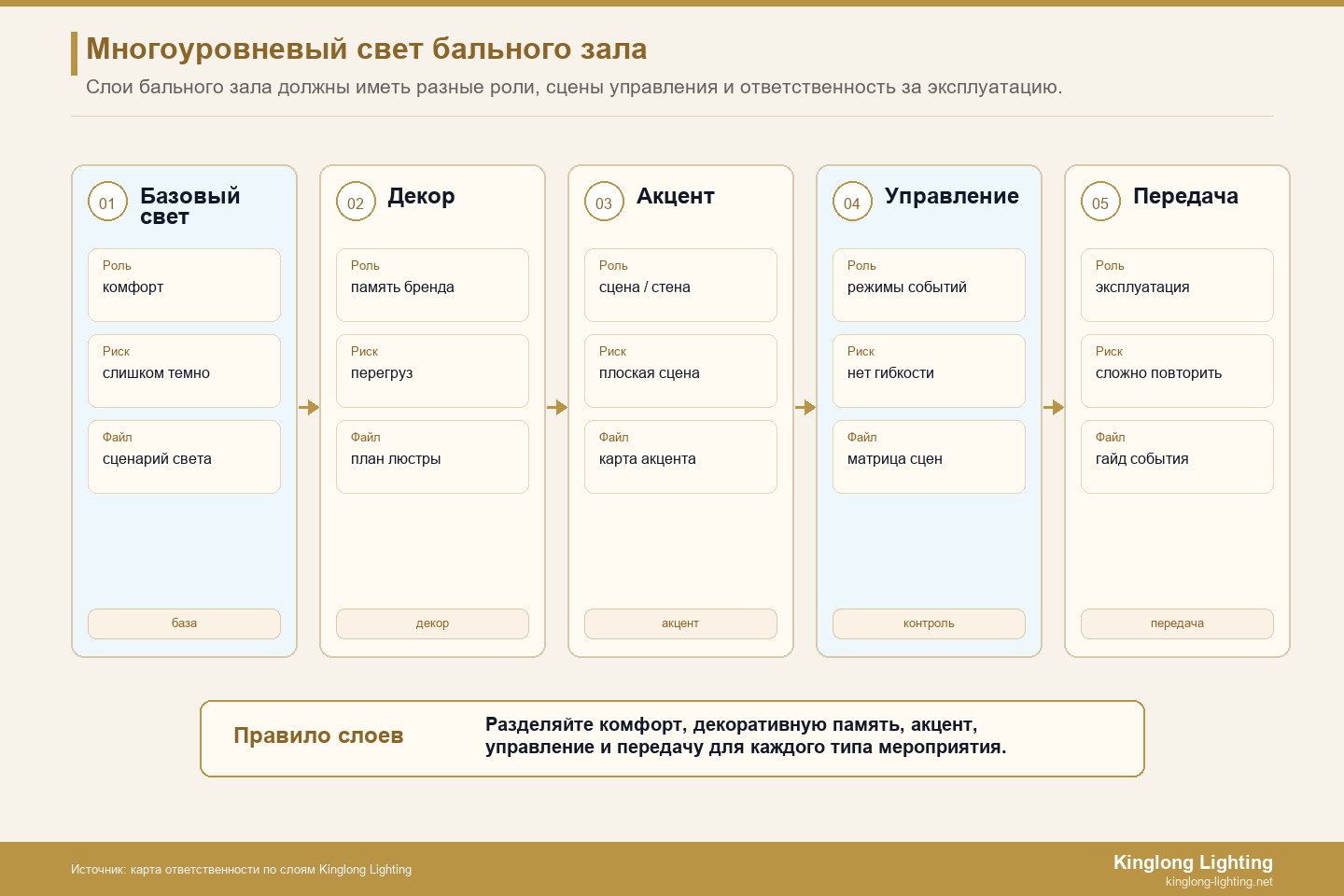
Тепловая карта риска полезна, поскольку она превращает эстетические разногласия в контрольные доказательства. Если сцена праздничного мероприятия плоская, спросите, какой слой несет контраст. Если сцена неудобна, спросите, какие светильники создают вертикальные или прямые блики. Если центральная часть слабая, спросите, не занижена ли люстра, не слишком ли она затемнена или не конкурирует с яркостью окружающей среды. Эти вопросы должны быть решены до того, как количество приспособлений и схема будут заморожены.
Соедините многослойный дизайн с индивидуальной постановкой бального зала Kinglong
Процесс изготовления светильников Kinglong Lighting по индивидуальному заказу должен начинаться со сценарного задания, а не только с вдохновляющего изображения люстры. Полезный входной пакет включает размеры бального зала, план потолка, планировку разделяемых стен, типы событий, целевую CCT, протокол затемнения, концепцию декоративных светильников, доступ для обслуживания и ожидания от зоны управления. Когда эти данные поступают заранее, дизайн люстры может согласовываться с окружающими и акцентными слоями, а не бороться с ними позже.
Если бальный зал уже находится в эскизном проекте, следующим шагом будет отправка компании Kinglong Lighting отраженного плана потолка, разреза, концепции светильника, списка сцен, намерения управления и крайнего срока закупок. Затем команда может решить, должна ли декоративная люстра быть центральным элементом, повторяющимися модулями, ритмом по периметру или гибридной системой, которая оставляет достаточно места для окружающих и акцентных слоев, чтобы они могли выполнять свою работу.
В ходе проверки также следует отделить то, что принадлежит поставщику люстр, от того, что принадлежит дизайнеру освещения, инженеру-электрику, AV-консультанту и команде по эксплуатации отеля. Kinglong Lighting может поддерживать дизайн декоративных светильников и производство по индивидуальному заказу, но окончательный стандарт для бальных залов по-прежнему требует координации на уровне проекта для графиков управления, требований к чрезвычайным ситуациям, совместимости затемнения, обслуживания потолков и местного одобрения. Такое разделение собственности сохраняет амбициозность декоративного слоя, не возлагая на него ответственность за каждый технический уровень в помещении во время мероприятий.
Похожие руководства
- Руководство по характеристикам люстр для бальных залов
- Стандарты цветовой температуры в вестибюле отеля
- Структура закупок освещения для отелей
Карточка действий многослойного дизайна
- Прежде чем выбирать декоративные светильники, перечислите сцены бального зала.
- Распределите обязанности по созданию атмосферы, декоративных акцентов и акцентов.
- Отдельные зоны управления до того, как расписание светильников заморозится.
- Проверьте блики, цвет, техническое обслуживание и ограничения AV.
- Отправьте матрицу сцены через Запрос на проектирование освещения бального зала.
В файле сцены бального зала следует определить ответственных до утверждения светильника.
Многоуровневое освещение бального зала не работает, когда ожидается, что каждый светильник будет выполнять каждую работу. Окружающий свет должен обеспечивать базовую видимость, декоративный свет должен обеспечивать индивидуальность, акцентный свет должен поддерживать фокус, элементы управления должны сохранять сцены, а режимы обслуживания должны помогать отелю перезагружать номер. Люстра может занимать центральное место в комнате, но ее не следует заставлять решать только вопросы обслуживания банкетов, комфорта выступающих, освещения сцены, экстренной уборки и гала-драмы.
Впишите в график ответственность за сцену
В расписании светильников должно быть указано, какой уровень несет ответственность за каждую сцену. В сцене конференции может потребоваться более высокий вертикальный комфорт и низкий уровень бликов для докладчиков. Гала-сцена может нуждаться в декоративных блестках без выравнивания настольного освещения. Для свадебной сцены могут потребоваться теплые, приятные для фотографирования лица и гибкое затемнение. Это не просто настройки управления; это обязанности, которые влияют на положение светильника, оптическое экранирование, отделку, выбор драйвера и поведение затемнения.
Используйте режимы отказа для проверки матрицы
Самый сильный тест — спросить, почему каждая сцена может провалиться. Если праздничная сцена плоская, декоративные и акцентные слои не создают достаточной иерархии. Если сцена на сцене резкая, окружающий или декоративный слой может быть направлен на линию обзора говорящего. Если очистка занимает слишком много времени, возможно, отсутствует сервисный режим и план доступа. Отображение этих ошибок перед началом производства помогает владельцу утвердить матрицу сцены, а не просто привлекательный рендер люстры.
Сделайте элементы управления частью производственного задания
Элементы управления часто рассматриваются как отдельный пакет консультантов, но для нестандартных люстр по-прежнему требуются предположения о драйвере, канале, проводке, затемнении и обслуживании. Kinglong Lighting должна получить предполагаемую матрицу сцен до выпуска декоративной продукции. Это позволяет заводской команде подтвердить, поддерживает ли пакет люстры слои дизайнера освещения и не создает ли какой-либо визуальный выбор проблемы с управлением или обслуживанием.
Вызовите исключения для разделяемых помещений и AV-оборудования.
Бальные залы редко ведут себя как одна комната все время. Воздушные стены, сцены, проекционные экраны, положения камер, временные фоны и AV-оборудование — все это может повлиять на то, какой слой освещения несет сцену. В файле координации эти исключения должны быть отмечены до того, как декоративная упаковка будет заморожена. Люстра или потолочная функция, которая работает в режиме полного бального зала, может конфликтовать с совещанием в половине зала, сценой с основным докладом или свадебным столом. Именование этих исключений позволяет консультанту по средствам управления, дизайнеру интерьеров, оператору и поставщику решить, где стандартная матрица сцен нуждается в специальном правиле.
Перед окончательным утверждением отправьте матрицу сцены, отраженный план потолка, типы событий, планировку разделяемых стен, цели CCT, протокол затемнения и ожидаемый доступ к услугам. Полезный ответ поставщика — это не только цена; это подтверждение того, какой уровень реально может поддерживать каждый пользовательский элемент.
В файле также должно быть указано имя службы и сцены настройки. Командам отелей часто нужен яркий и практичный режим для уборки, смены столов, оформления банкетов и технических репетиций. Если эта сцена не запланирована, сотрудники могут игнорировать тщательно настроенные сцены событий или использовать переносные рабочие фонари, что создает для них собственные риски. Сцена обслуживания защищает декоративную цель, предоставляя операциям законный режим работы, который гости редко видят.
Ту же самую сцену обслуживания следует проверить на соответствие пределам декоративного затемнения. Некоторые LED-драйверы люстр ведут себя аккуратно на событийных уровнях, но мерцают или неровно работают на очень низких уровнях. Другие хорошо подходят для торжественных сцен, но не дают достаточного света для монтажа. Раннее тестирование диапазона обслуживания предотвращает обнаружение проблем с управлением во время первой смены конфигурации банкета.
Часто задаваемые вопросы
Каковы три основных слоя освещения бального зала?
Три практичных слоя: окружающий для базовой видимости, декоративный для индивидуальности помещения и акцентный для фокусировки. Конкретные типы приспособлений могут различаться, но обязанности должны быть четко определены.
Может ли люстра обеспечить основное освещение бального зала?
Он может внести свой вклад, но его не следует заставлять решать каждую задачу. Люстра обычно является самым сильным декоративным слоем, в то время как системы окружения и акцента обеспечивают видимость, гибкость сцены и фокусировку.
Что необходимо согласовать перед закупкой освещения для бальных залов?
Утвердите матрицу сцены, зоны управления, протокол регулирования яркости, концепцию люстры, доступ для обслуживания, проверку бликов, ожидания по качеству цветопередачи и ответственность за установку, прежде чем график работы светильников будет заморожен.