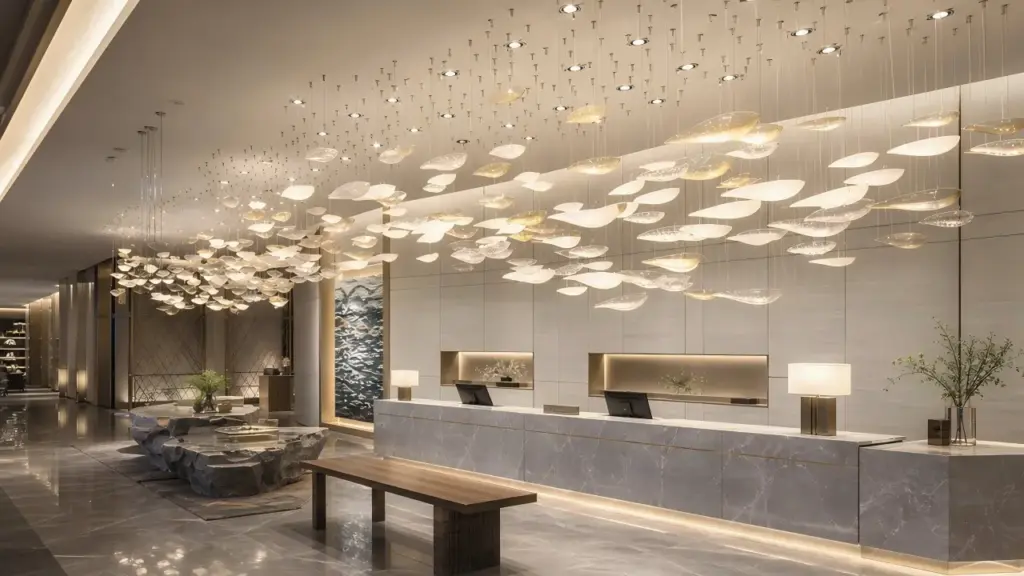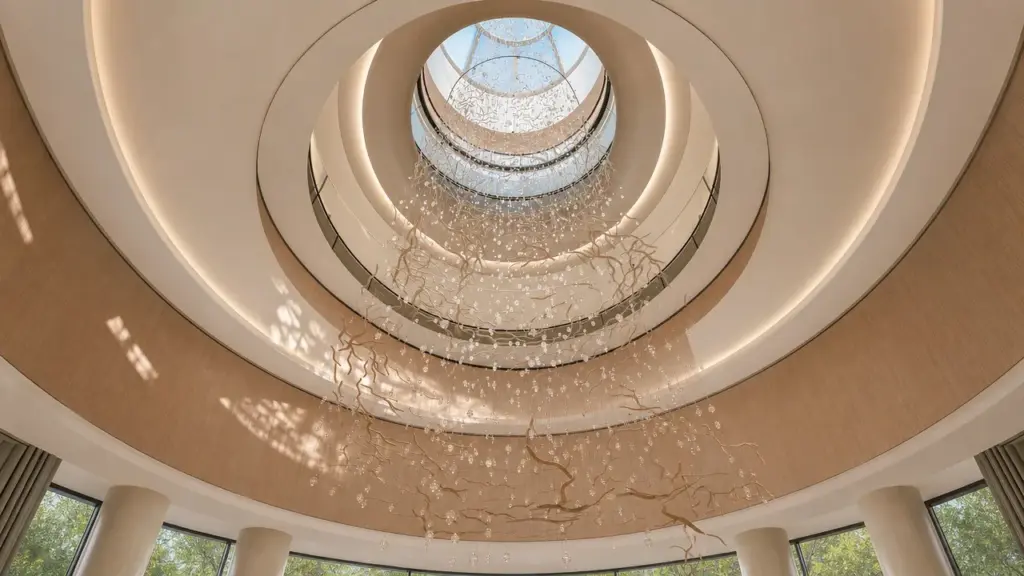
Лестничная люстра на большой вилле – это не просто высокий подвесной светильник. Это объект с движущимся обзором, который должен читаться из нижнего холла, лестничного марша, промежуточной площадки, верхнего коридора и иногда из внешнего окна.
Самые прочные лестничные люстры контролируют вертикальный ритм, не сковывая движения. Они создают ощущение подъема, но также защищают пространство, блики, доступ для чистки и опору конструкции.
Kinglong Lighting может помочь владельцам и дизайнерам вилл превратить эффектную идею лестницы в размеренную вертикальную композицию с чертежами, образцами, логикой подвески и планированием обслуживания.
Ключевые выводы
- Дизайн с подвижным обзором: Лестничные люстры должны работать во время движения людей, а не только на статичном рендере.
- Вертикальный ритм: Высоту следует разделить на читаемые зоны, а не заполнять случайными перепадами.
- Сначала оформление: Пешеходная дорожка, перила, площадка и маршрут уборки определяют безопасную зону.
- Контроль бликов: Высота глаз на верхнем уровне часто создает самый неприятный риск появления искр.
- Файл релиза: Подвеска, проводка, запасные части и доступ для очистки должны быть одобрены до начала производства.
Лестничные люстры оцениваются в движении
Люстра на лестнице большой виллы преуспевает, когда она выглядит продуманно с каждой ступеньки, а не только с нижней части лестницы.
Освещение IES для вас В справочнике по жилым помещениям особое внимание уделяется методам освещения, использованию энергии и нормам. На лестнице эти практические задачи встречаются с декоративным акцентом, который должен формировать атмосферу и при этом уважать движение.
Пройдите по плану по лестнице и отметьте точки, где человек видит светильник: этаж входа, первый поворот, марш, площадка, верхний зал и любой мост или балкон. Затем отметьте зоны, в которые светильник не может проникнуть, включая пространство над головой, зону поручней, оконный проем, открывание двери, путь для уборочного подъемника и точки конструкции.
Нижний вид требует драмы прибытия
Нижний входной взгляд обычно является эмоциональным. Из-за слабого крепления пустота может казаться пустой; Негабаритное светильник может сделать лестницу похожей на витрину выставочного зала, а не на жилой дом. Нижний вид должен показывать четкий силуэт, материальный характер и сцену освещения, поддерживающую вход.
Вид в полете требует четкости и ритма
Люди видят светильник со стороны во время движения. Если расстояние между стеклянными подвесами случайное, форма может превратиться в визуальный шум. Если тело слишком широкое, оно может ощущаться некомфортно близко, даже если оно физически не блокирует путь. Ритм преобразует высоту в структуру.
Вид с верхней площадки требует соблюдения дисциплины по освещению
Верхняя площадка часто ближе всего к лампам, кристаллам или стеклянным плафонам. Руководство Министерства энергетики США по высокоэффективному освещению жилых помещений постоянно рассматривает контроль бликов как проблему качества освещения жилых помещений. В лестничном пространстве блики связаны с прямым обзором светящихся элементов на уровне глаз.
Выберите тип вертикальной композиции
Стиль лестницы должен повторять форму пустоты. Высокий светильник автоматически не является хорошей люстрой для лестницы. Архитектура решает, какая вертикальная логика сможет выдержать ежедневное движение.
| Тип композиции | Лучшее состояние лестницы | Основной риск | Доказательства для запроса |
|---|---|---|---|
| Конический каскад | Высокая узкая пустота рядом с лестницей | Выглядит тонким из нижнего зала | Вид спереди и сбоку |
| Многоярусная люстра | Формальная вилла с симметричной лестницей | Слишком тяжелый возле посадки | Конверт подвеса и диаметра |
| Кластерные подвески | Современный вид на лестницу или мост | Случайный интервал кажется беспорядочным | Координатная карта и план подвески |
| Линейный вертикальный позвоночник | Узкая лестничная щель или пустота у стены | Слабое боковое присутствие | Исследование расстояния до стены и обзора |
Руководство по многоуровневому освещению Lutron разделяет окружающее, рабочее и акцентное освещение. Лестницам нужна такая дисциплина, потому что декоративная люстра редко является лучшим инструментом для выполнения каждой функции. Подсветка ступеней, настенные шайбы, скрытое освещение перил или освещение верхней площадки могут обеспечить безопасное движение, в то время как люстра остается управляемой функцией.
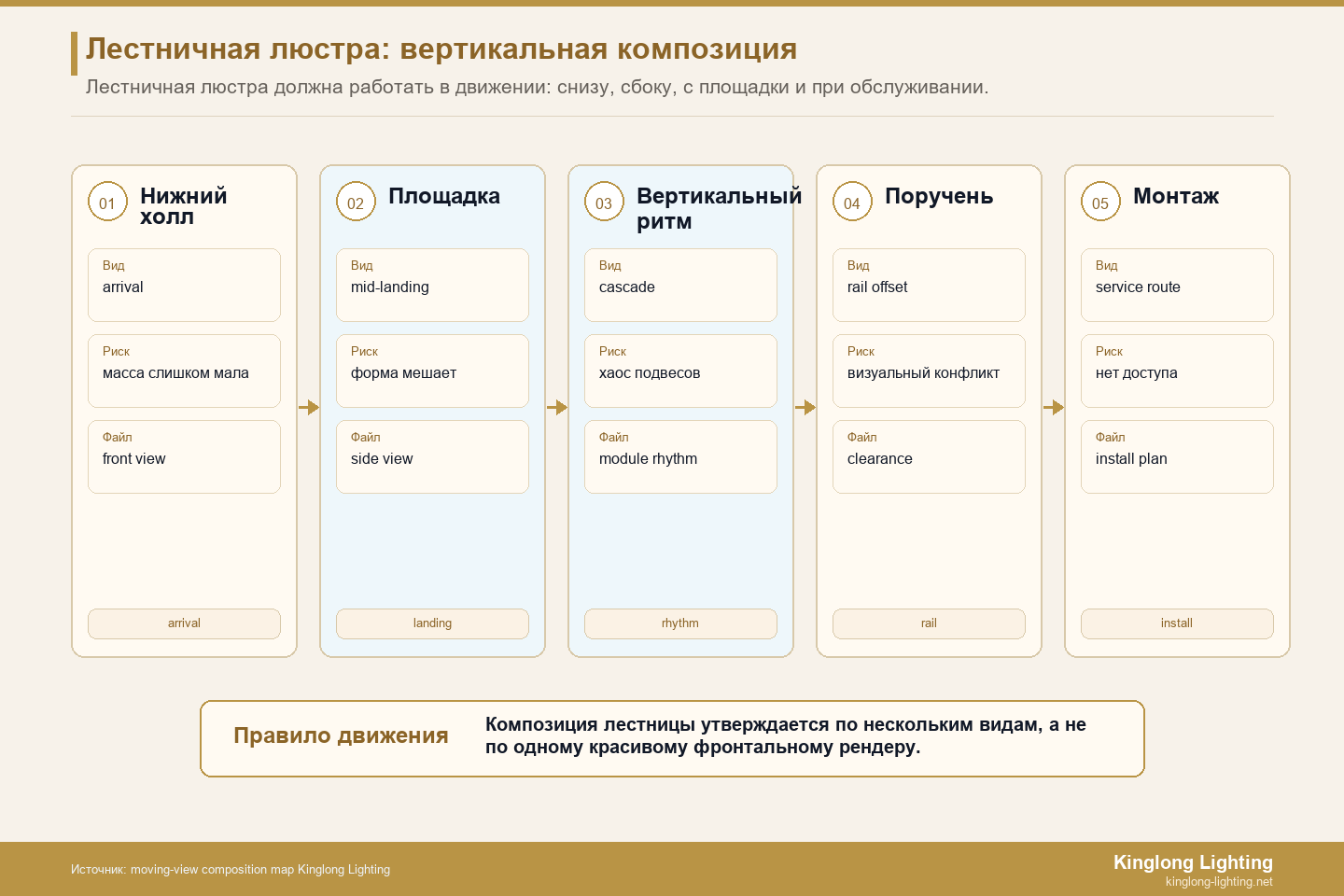
При расчете на основе трехуровневой модели с движущимся видом 5 видов одобрения минус 1 вид спереди равняются 4 отсутствующим видам, а это означает, что нижний зал, маршевый полет, лестничная площадка, верхний коридор и служебный доступ все еще нуждаются в подтверждении.
Доказательство производства имеет значение еще до того, как потолок закроется
Большие лестничные люстры требуют заблаговременного планирования подвески и обслуживания. Решения UL отмечает, что декоративное освещение внутри помещений обычно тестируется на соответствие UL 1598 и UL 8750, что помогает понять, почему нестандартные светильники нуждаются в доказательствах как готовые изделия.
В файле разрешения на лестницу должен быть указан вес светильника, положение навеса, точки подвеса, положение драйвера, требования к затемнению, нумерация модулей, список запасных стекол или кристаллов, маршрут очистки и последовательность упаковки.
Как следует информировать Kinglong Lighting
Страницы Kinglong Lighting об освещении вилл и индивидуализации актуальны, потому что лестничные люстры обычно требуют большего, чем просто готовый выбор. Покупатель должен отправить чертежи лестницы, высоту потолка, ширину лестницы, размеры площадки, отделку перил, цвет стен, прилегающие окна, предпочтительный материал, систему затемнения и ограничения по очистке.
Следующий мягкий шаг — попросить рассмотреть вертикальную композицию, а не просто цену. Через обзор люстры на лестнице на вилле, запросите два маршрута: один сдержанный и архитектурный, другой более выразительный и скульптурный, оба с одинаковым подвесом, образцом, затемнением и служебным свидетельством.
Аудит лестничного марша как объекта повседневного использования
Самый полезный обзор лестницы — это медленная прогулка, а не встреча со стилем. Начните с нижнего входа, остановитесь на первой ступеньке, остановитесь на полпути, встаньте на лестничную площадку, а затем оглянитесь из верхнего зала. На каждом этапе спрашивайте, помогает ли люстра сделать маршрут более четким, изящным и комфортным. Если одна позиция создает горячую точку, заблокированный вид или запутанный силуэт, дизайн требует еще одного прохода.
Это пошаговое руководство также подвергает риску техобслуживания. Лестничная люстра может быть доступна с нижнего уровня во время установки, но недоступна после защиты мебели, перил и готового пола. В файле выпуска должно быть указано, как будут очищаться и заменяться стекла, кристаллы, лампочки, светодиодные модули или драйверы. На роскошной вилле доступ для обслуживания является частью качества, поскольку видимая пыль или несоответствующие запасные части могут привести к тому, что дорогое оборудование будет выглядеть заброшенным.
Kinglong Lighting должна воспринимать маршрут как последовательность, а не только как измерения. Фотографии нижнего зала, боковой лестницы, лестничной площадки и верхнего коридора говорят фабрике, где блеск приветствуется, а где он становится бликом. Это позволяет производителю регулировать длину капель, экранирование лампы, отражательную способность поверхности и расстояние между модулями, не ослабляя при этом концепцию дизайнера.
Аудит также должен проверить, как перила и перила влияют на восприятие. Стеклянные перила могут усилить блеск и сделать яркое хрустальное тело более активным, чем предполагалось. Темные металлические перила могут заставить узкую люстру исчезнуть сбоку. Каменные ступени, полированные полы и зеркальные стены могут подтолкнуть дизайн к более мягкому рассеиванию, более теплому оттенку или меньшему количеству открытых точек.
Еще одно полезное испытание — ночной путь. Лестничную люстру часто фотографируют в полностью декоративном виде, но жильцы ощущают ее при перемещении между этажами при слабом окружающем освещении. Если для комфорта светильник должен оставаться затемненным, он все равно должен восприниматься как вертикальный маркер. Для этого может потребоваться многоуровневое освещение лестницы, теплая низкая сцена или корпус люстры с достаточным силуэтом, даже если мощность снижается.
Команда установки должна принять участие в этом аудите перед выпуском продукции. Наиболее безопасно выглядящая композиция на бумаге может зависеть от положения подъемника, которое невозможно после завершения работ по отделке шкафов, мрамора или перил. Заблаговременная запись маршрута установки защищает готовый интерьер и предотвращает в последнюю минуту изменения размера модуля, порядка упаковки или метода подвески.
В заключительном примечании по аудиту должны быть указаны один предпочтительный состав и один резервный состав. Если основной каскад отклоняется из-за того, что лестничное пространство становится переполненным, проект уже должен знать, является ли резервным каскадом более тонкий кластер, более короткий вертикальный корпус или стратегия парных настенных светильников. Эта резервная копия защищает график, не требуя от дизайнера перезапуска концепции под давлением.
Эта же проверка должна связать состав с упаковкой и этикетками модулей. Лестничная люстра может выглядеть непрерывной после установки, но она часто доходит до места в виде пронумерованных капель, рам, кабелей, драйверов и запасных частей. Если эти модули не следуют утвержденному вертикальному ритму, установщик может собрать правильные детали в неправильном визуальном порядке. Поэтому файл релиза должен сочетать исследование представления с картой модуля.
| Точка маршрута | Вопрос на ответ | Типичная коррекция |
|---|---|---|
| Нижний зал | Создает ли форма прибытие? | увеличить силуэт или опустить первый ярус |
| В середине полета | Вытесняет ли тело движение? | узкая ширина или переход к каскаду |
| Посадка | Комфортна ли яркость на уровне глаз? | добавить экранирование или уменьшить выходную мощность |
| Путь обслуживания | Можно ли безопасно добраться до деталей? | пересмотреть модуль и план очистки |
Карточка действия «Лестничная люстра»
- Прежде чем выбрать форму светильника, пройдите по лестнице.
- Проверьте виды снизу, сбоку, площадки и сверху.
- Держите блестки подальше от зон яркого света на верхнем уровне глаз.
- Отделить декоративную сцену от безопасного циркуляционного освещения.
- Утвердите приостановку и доступ к обслуживанию до начала производства.
Похожие руководства
- Выбор люстры двойной высоты для прихожей
- Путеводитель по люстрам на роскошной вилле
- Формула размера люстры на вилле
Создайте файл вертикальной композиции люстры на лестнице большой виллы перед окончательным утверждением.
Полезной отправной точкой для виллы с лестничной люстрой является контекст применения, а не декоративные предпочтения. Практический вопрос заключается в том, смогут ли владелец виллы, дизайнер интерьеров, подрядчик по лестницам, поставщик освещения и установщик договориться о том, что необходимо доказать, прежде чем люстра будет выпущена. Ответом является короткий пакет, который объединяет проектные замыслы, операционные риски, доказательства и ответственность в один диалог по утверждению.
Основной риск заключается в том, что лестничное светильник будет выполнено высоким без учета боковых видов, бликов на площадке, просвета маршрута и последовательности установки. Этот риск наиболее велик, когда красивый светильник отделен от доказательств, которые делают его пригодным для сборки, обслуживания и безопасным для выпуска. По результатам проверки 5 этапов, 2 нерешенных этапа из 5 оставляют открытыми около 40 процентов логики утверждения, что является слишком большой неопределенностью для индивидуального заказа на декоративное освещение.
Дизайн для движения, а не для одного статического вида
Первый вопрос утверждения должен определить практическое решение о покупке виллы с лестничной люстрой. Решение не в том, будет ли люстра выглядеть превосходно сама по себе; вопрос в том, защищает ли выбранный подход роль помещения, впечатления гостя или владельца, операционную реальность и передачу производства одновременно. В примечаниях к выпуску следует указать ответственного за решение, ожидаемое доказательство и изменение, которое приведет к перепроектированию. Эта граница позволяет покупателю отказаться от заманчивого варианта по конкретной причине, вместо того, чтобы полагаться на язык вкуса.
Сохраняйте вертикальный ритм читаемым в середине полета
Первая точка отказа обычно возникает там, где визуальное обещание встречается с ежедневным использованием. Рассчитано на основе файла вертикальной композиции люстры на лестнице большой виллы с 5 этапами проверки: 1 слабый этап проверки, умноженный на 3 команды ниже по течению, равен 3 путям проверки, которые могут быть задержаны из-за одного пропущенного элемента доказательства. Обзор должен включать вид или рабочее состояние, исправление которых в дальнейшем будет наиболее дорогостоящим. Поведение сцены и контекст должны быть протестированы до того, как светильник будет считаться готовым к выпуску.
Защитите комфорт приземления от искр с близкого расстояния
Доказательства поставщика полезны только тогда, когда они соответствуют контролируемому риску. Запрос должен преобразовать этот риск в доказательства, такие как фотографии маршрута, вертикальная высота, карта зазоров, обзор линии взгляда, последовательность модулей и служебная записка. Если риск масштабный, запросите отмеченную высоту и вид на линию обзора. Если риск связан с цветом, запросите образец материала под целевой сценой. Если риск связан с техническим обслуживанием, запросите маршрут очистки и логику замены запасных частей. Доказательства должны изменить решение о выпуске, а не украшать документ.
Подключите композицию к установочным модулям
Рабочий процесс проекта Kinglong Lighting перемещает изготовленные на заказ люстры для гостеприимства и вилл через чертежи, образцы, производство, упаковку, доставку и установку на месте. В окончательной передаче должно быть указано, что одобрено, что остается гибким и кто может отклонить изменение. На практике пакет выпуска должен включать как минимум 5 именованных этапов проверки и ответственного за каждый этап. Это не позволяет более позднему предложению превратиться в модернизацию после того, как светильник уже запущен в производство.
Часто задаваемые вопросы
Какой длины должна быть люстра на лестнице?
Он должен быть достаточно длинным, чтобы соединить вертикальное пространство, но достаточно коротким, чтобы защитить пространство для пешеходов, обзор с площадки и доступ для уборки. Прежде чем утверждать длину перепада, используйте чертежи фасадов и несколько точек обзора.
Где должна располагаться люстра на лестничной клетке?
Он должен располагаться внутри визуальной пустоты, а не внутри пешеходной дорожки. Лучшее положение зависит от ширины лестницы, места площадки, высоты перил, окон и основной оси обзора.
Подходят ли хрустальные люстры для лестниц на вилле?
Да, кристалл может хорошо работать, если планируются блики, чистка и замена. На видах с верхней площадки прямой блеск может вызывать дискомфорт, поэтому запросите образцы, яркость сцены, детали подвески и план запасных частей.
Какие чертежи необходимы перед заказом лестничной люстры?
Как минимум, запросите план, высоту, точку подвеса, схему подвеса, запись проб материала, расположение проводки или привода, а также примечания о доступе к обслуживанию. Для нестандартных светильников добавьте нумерацию модулей и последовательность упаковки.