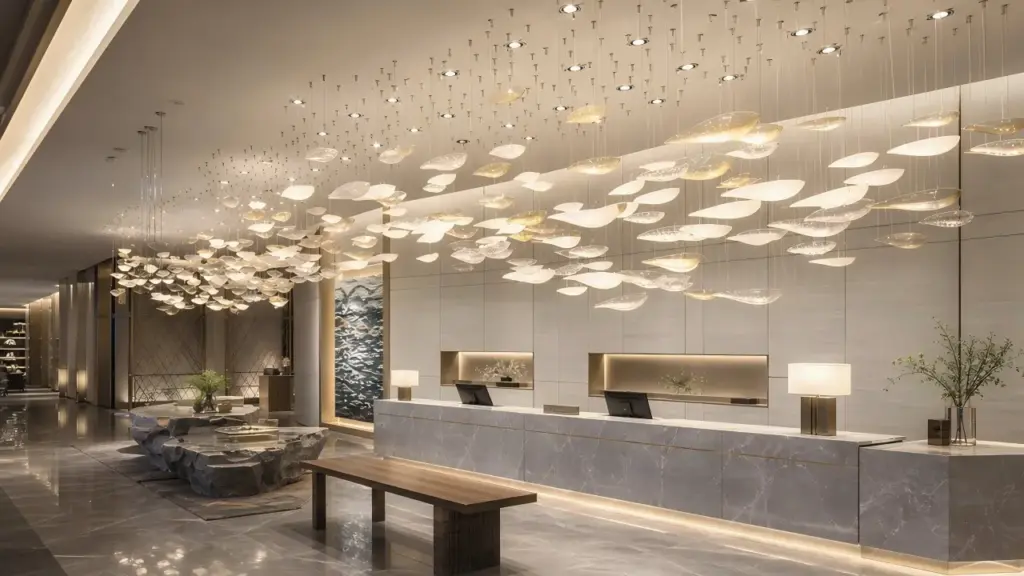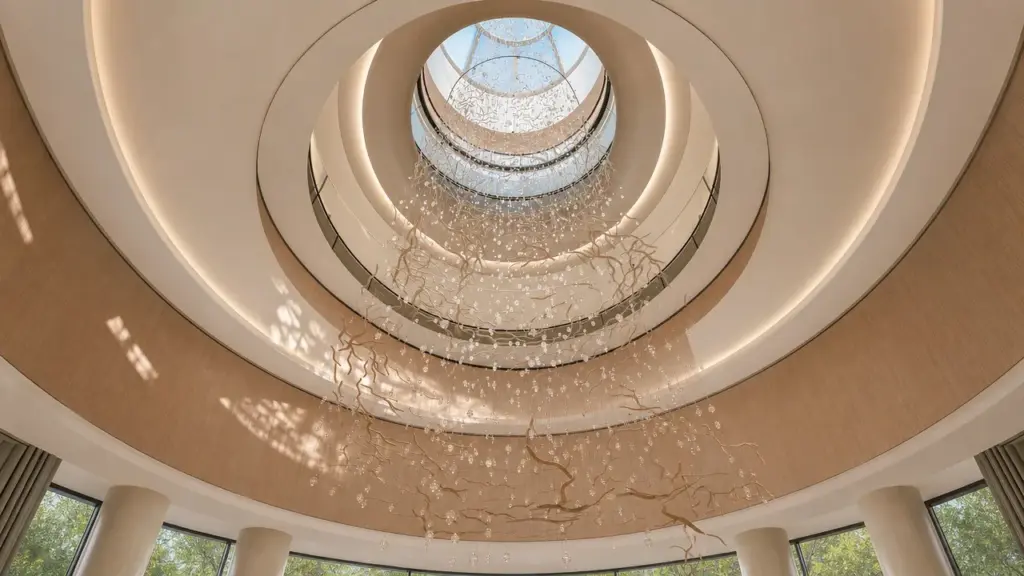
Роскошное освещение Marriott не должно рассматривать The Ritz-Carlton и St. Regis как взаимозаменяемые, поскольку оба являются люксовыми брендами, но создают разные эмоциональные связи. Освещение Ritz-Carlton часто требует дисциплинированной теплоты, сервисного спокойствия и тихих запоминающихся деталей. Освещение St. Regis может привнести больше ритуала, гламура, праздника и классического блеска. Файл люстры должен показывать, какую роскошь покупает недвижимость.
Публичная информация Marriott, Ritz-Carlton и St. Regis может способствовать принятию решений по освещению, но она не является официальным стандартом освещения Marriott и не означает, что Marriott, The Ritz-Carlton или St. Regis одобряют Kinglong Lighting. Цель состоит в том, чтобы помочь специалистам по спецификации превратить сигналы общедоступных брендов в практическое описание освещения для нестандартных люстр, общественных мест, гостиных, бальных залов и объектов курорта.
Ключевые выводы
- Роскошь – это не одно настроение: Ritz-Carlton и St. Regis нуждаются в разном освещении даже в пределах одного родительского портфолио.
- Реплика Ритц-Карлтона: Отдайте предпочтение культуре обслуживания, изысканному удобству и деталям, которые поддерживают спокойствие и уверенность гостей.
- St. Regis подсказывает: Позвольте больше церемоний, блеска и ритуалов, если история собственности поддерживает это.
- Этапы проверки доказательств: Обоим брендам по-прежнему требуются масштабные исследования, эталоны отделки, цветопробы, элементы управления и доступ к обслуживанию.
- Язык поставщика: Kinglong Lighting должна строить свою работу как интерпретацию, основанную на общедоступной информации, и доказательства индивидуального производства.
Прежде чем выбирать язык люстры, прочитайте общественные намеки на роскошь.
И Ritz-Carlton, и St. Regis могут оправдать хрустальную люстру, но по разным причинам.
Общественность Марриотта страница портфолио бренда Regis относит The Ritz-Carlton и St. Regis к категории люкс. Страница о Ritz-Carlton подчеркивает философию обслуживания, наследие и значимые путешествия. Сайт бренда St. Regis указывает на изысканные впечатления, ритуалы, услуги дворецкого, моду, гламур и знаковые встречи. Эти публичные сигналы предполагают два разных световых брифа: один сосредоточен на контролируемом совершенстве, другой на тщательно продуманной церемонии.
Освещение Ritz-Carlton должно обеспечивать ощущение совершенства без усилий
В вестибюле или клубном лаундже в стиле Ritz-Carlton освещение не должно кричать, если только архитектура не требует драматизма. Более сильным фактором часто являются пропорции, качество материала и спокойный контроль. Декоративные светильники могут быть роскошными, но они должны поддерживать поток обслуживания, комфорт сидения, конфиденциальность и переход от дневного к вечернему. Люстра, которая создает визуальный шум во время работы консьержа, может быть дорогой, но не приносить пользы.
Поэтому макет следует оценивать как с позиции обслуживания, так и с позиции гостя. Уровень глаз консьержа, стойка хозяина, место в гостиной, проход по коридору и прибытие лифта могут показать, улучшает ли люстра атмосферу или отвлекает внимание персонала. В светильнике в стиле Ritz-Carlton может использоваться хрусталь или полированный металл, но гость должен почувствовать уверенность и легкость, прежде чем обратить внимание на механику светильника. Это более жесткий стандарт, чем просто одобрение материалов премиум-класса.
Освещение St. Regis может нести ритуал и искриться.
Публичные реплики St. Regis дают дизайнерам больше возможностей для церемоний. Хрусталь, полированный металл, многослойное отражение и драматические моменты прибытия могут подойти, когда они поддерживают ритуал и изысканное празднование. Риск – театральное излишество. Люстру в стиле St. Regis по-прежнему следует оценивать по комфорту на уровне глаз, регулированию затемнения, доступности для обслуживания и долговечности материала. Гламуру нужен производственный файл.
В ярком описании в стиле St. Regis следует назвать ритуальный момент, который поддерживает освещение. Это может быть парадное прибытие по лестнице, момент сабража, вечерний переход в гостиную или фотозона перед бальным залом. Как только этот момент назван, вокруг него можно контролировать плотность искры, длину капли, металлический тон и уровень сцены. Без этого якоря люстра может стать общим символом роскоши, а не точным инструментом гостеприимства.
Сравните световые решения разных брендов
| Область принятия решений | Направление Ритц-Карлтон | Направление St. Regis | Доказательства для запроса |
|---|---|---|---|
| Эмоции лобби | Спокойная уверенность и изысканный приход | Торжественный приезд и классический гламур | Масштабирование рендеринга и последовательность гостевого просмотра |
| Материальный тон | Элегантная сдержанность, теплый металл, тонкая текстура. | Хрустальная традиция, полированные детали, более насыщенный блеск | Мастер отделки и доска материалов |
| Клуб или гостиная | Конфиденциальность, комфорт и ритм обслуживания | Ритуал, вечернее сияние и социальная память | Расписание сцен и обзор бликов |
| Бальный зал | Вечная формальная гибкость | Праздничный имидж и фотопамять | Каналы затемнения и маршрут обслуживания |
| Доказательство поставщика | Стабильность и эксплуатационная надежность | Ремесленные детали и повторяемый гламур | Макет, спецификация, упаковка и примечания по контролю качества |
Вывод таков: оба бренда могут использовать схожие материалы, но критерии одобрения меняются. Ritz-Carlton следует спросить, улучшает ли это светильник качество обслуживания. St. Regisу следует спросить, поддерживает ли светильник ритуал, не становясь при этом хрупким или слишком ярким.
Освещение роскошных брендов по-прежнему требует технического смирения
Библиотека освещения IES напоминает специалистам по проектированию, что решения по освещению касаются применения, управления, технического обслуживания и руководства по проектированию. Часто задаваемые вопросы по DOE TM-30 показывает, почему качество цвета заслуживает большей точности, чем одна обычная этикетка. Концепция WELL v2 Light усиливает роль визуального комфорта и человеческого опыта. Эти источники имеют значение, потому что роскошные гости могут не назвать блики, плохое затемнение или плохую цветопередачу, но результат они чувствуют.
Рассчитано на основе файла роскошного освещения, состоящего из 6 частей: 2 варианта эмоций бренда плюс 4 проверки доказательств равны 6 решениям перед выпуском продукции. Если предложение определяет только эмоции бренда и пропускает 4 проверки, 66,7 процента файлов остаются нерешенными. Это не критика дизайна. Это предупреждение о закупках.
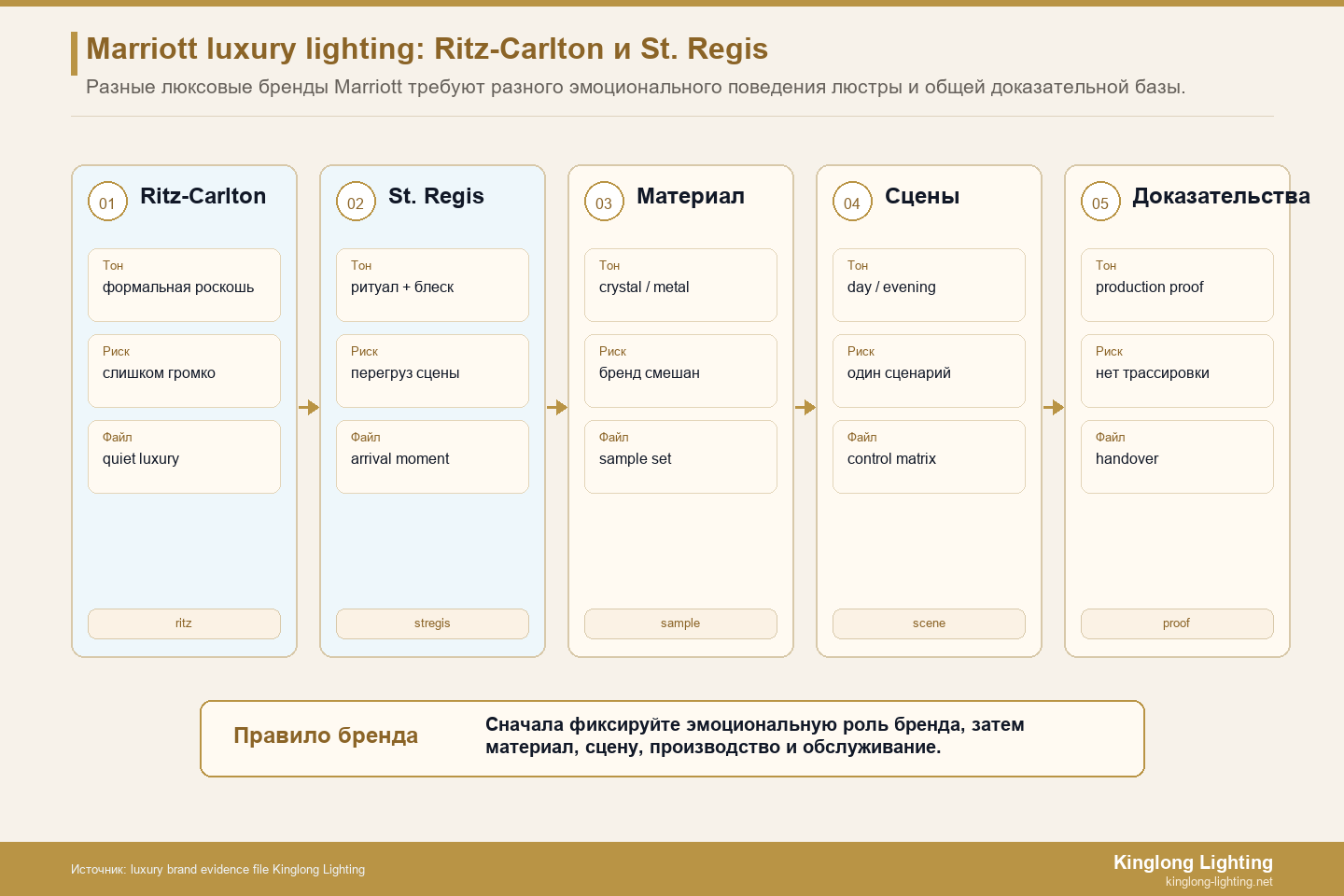
Поведение поставщиков и контроль выпуска продукции являются частью роскоши
Марриотт Рекомендации по поведению глобальных поставщиков закупок обеспечить общественный контекст для ожиданий поставщиков. При закупке люстр поведение поставщика должно быть отражено в отслеживаемых документах: возможности завода, маршрут прохождения материала, путь тестирования продукта, утверждение образца, контроль изменений, план упаковки и предположения о поддержке площадки. Роскошная люстра, не имеющая доказательств, может создать риск для роскоши.
Скрытая цена – поздняя интерпретация. Если дизайнер говорит: «Тихая роскошь Ritz-Carlton», а поставщик строит «Сверкающий St. Regis», проект может не обнаружить несоответствие до тех пор, пока не будет создан макет. Если в описании указаны комфорт на уровне глаз, тон отделки, плотность блеска, сцена затемнения и доступ для обслуживания, поставщик может сформировать дизайн до того, как начнутся дорогостоящие доработки.
Для закупок наиболее безопасным форматом сравнения является таблица релизов в две колонки. В левом столбце отражено предполагаемое поведение бренда: спокойствие, основанное на обслуживании, гламур, основанный на ритуале, комфорт приватной гостиной или бальная церемония. В правом столбце указаны доказательства: образец, чертеж, маршрут испытания, контрольная сцена, эталон отделки, весовая заметка, доступ для очистки и план упаковки. Если поставщик предоставляет убедительные визуальные эффекты, но слабые доказательства, покупатель может запросить поименованные документы вместо того, чтобы возобновлять всю дискуссию по дизайну.
Как Kinglong Lighting может представить роскошные варианты Marriott
Компания Kinglong Lighting не должна претендовать на официальный авторитет бренда Marriott без получения на это разрешения. Более надежный путь — представить общедоступные маршруты проектирования с доказательствами производства. Для маршрута в стиле Ritz-Carlton Kinglong Lighting может показать сдержанные исследования материалов, теплые сцены и удобные в обслуживании индивидуальные детали. Для маршрута в стиле St. Regis он может демонстрировать хрустальную традицию, более богатую отражательную способность, церемониальный масштаб и контролируемое затемнение.
рабочий процесс индивидуализации, страница гостиничного освещения и проектные кейсы могут поддержать эту дискуссию. Следующий мягкий шаг — отправить Kinglong Lighting краткое описание контекста бренда, пути гостя, функций общественных зон, палитры отделки, описания элементов управления, ограничений потолка и графика открытия через страницу контактов. Попросите две параллельные концепции: утонченность, основанную на служении, и гламур, основанный на ритуалах, каждая из которых имеет один и тот же контрольный список доказательств.
Этот формат «бок о бок» особенно полезен, когда владельцы, дизайнеры и операторы расходятся во мнениях относительно того, насколько формальным должно быть пространство. Команда может сравнить не только внешний вид, но и нагрузку на очистку, гибкость сцены, сложность замены и риск установки. Концепция, которая выглядит более драматично, все же может быть правильным выбором, если она обеспечивает надежную память о бренде и поддающиеся проверке доказательства. Более спокойная концепция может выиграть, когда поток обслуживания и долгосрочные операции имеют большее значение, чем первая фотография.
Kinglong Lighting также может подготовить технико-экономическое обоснование для каждого маршрута. Согласно концепции в стиле Ritz-Carlton, оптимизация стоимости может защитить пропорции и отделку, одновременно упрощая скрытую структуру. Согласно концепции стиля St. Regis, он может защитить блеск и ритуал, одновременно уменьшая хрупкую плотность. Это делает обсуждение затрат более точным, чем простое требование более низкой цены.
В примечании должно быть указано, что гость по-прежнему будет воспринимать после изменения. Если изменение экономит затраты, но устраняет ощущение спокойствия или ритуала, вызванное обслуживанием, это не является инжинирингом ценности. Именно размывание бренда станет очевидным во время утверждения макета.
Похожие руководства
Карта действий Marriott Luxury Lighting
- Укажите, ближе ли направление дизайна к сдержанности Ritz-Carlton или церемонии St. Regis.
- Превратите эмоции бренда в плотность блеска, финальный тон, CCT, сцены и комфорт для гостей.
- Прежде чем утверждать производственные чертежи, запрашивайте макеты и образцы материалов.
- Храните доказательства поведения поставщика, тестирования и контроля изменений в файле люстры.
- Отправьте запрос параллельного маршрута бренда на адрес Kinglong Lighting.
Досье Marriott, посвященное роскоши, должно одновременно защищать эмоции и доказательства.
Ritz-Carlton и St. Regis могут расположиться в роскошном гостеприимстве, но им не нужен один и тот же язык люстр. Отличительные черты Ritz-Carlton могут заключаться в непринужденном совершенстве, домашнем тепле, тихом обслуживании и невидимом комфорте. Подсказки St. Regis могут дать больше ритуалов, церемоний, наследия, блеска и воспоминаний о прибытии. Полезное сравнение не в том, какой из них более роскошный. Это то, какие эмоции гостя нужны проекту и какие доказательства доказывают, что эмоции можно создавать, внедрять и поддерживать.
Защитите различие перед цитированием формы
Поставщика не следует просить процитировать обычную роскошную люстру, а затем сделать так, чтобы она выглядела как бренд. Различие должно быть отражено в описании до того, как будет оценена форма, отделка и размер. Если маршрут похож на Ritz-Carlton, в файле приоритетом может быть спокойная теплота, изысканные пропорции, низкое визуальное сопротивление и уверенность в обслуживании. Если маршрут похож на St. Regis, в файле приоритет может быть отдан церемониальному блеску, материалам наследия, более сильному ритму и хореографии сцены. Оба пути нуждаются в доказательствах, но данные подтверждают разные эмоциональные результаты.
Превратите ритуал и легкость в материальные проверки
Материальные решения несут большую часть различий. Металлический оттенок, прозрачность стекла, плотность кристаллов, текстура теней или теплая сцена могут приблизить дизайн к расслабленному совершенству или церемониальному драматизму. В пакете должны быть показаны образцы материала в соответствии с предполагаемым источником, а не только при дневном или студийном освещении. Он также должен показать, какие детали могут быть выразительными, а какие должны оставаться под контролем для обеспечения комфорта, чистоты и повторяемости.
Избегайте необоснованных заявлений о проприетарных стандартах.
Контекст публичного бренда может направлять статью и ранний разговор о дизайне, но стандарты проекта принадлежат владельцу и процессу создания бренда. В файле релиза не должно быть заявлений о доступе к проприетарным стандартам, если только команда проекта не предоставит их. Более полезный подход — изложить публичную интерпретацию, перечислить открытые вопросы и запросить официальные критерии проекта, прежде чем останавливать производство. Это обеспечивает честность ответа поставщика и защищает покупателя от самоуверенных предположений.
Используйте отделку, чтобы роскошь не стала обыденностью
Роскошь может стать обычным явлением, если в материалах дела говорится только о материалах премиум-класса, теплом свете или элегантной люстре. В окончательном доказательстве должны быть указаны точный образец, допустимый диапазон, состояние места происшествия, ожидаемая очистка и владелец, который может одобрить изменение. Kinglong Lighting может затем связать проектный замысел с чертежами, образцами, производственными записями, логикой упаковки и сервисной поддержкой. Это делает различие между непринужденностью Ritz-Carlton и ритуалом St. Regis видимым в файле, а не только на доске настроений.
Окончательное утверждение должно заморозить доказательства, защищающие выбранную эмоцию бренда, оставив при этом контролируемое пространство для уточнений. Именно поэтому роскошная люстра остается уникальной после начала ценообразования, отбора проб и производственного давления.
Дайте закупкам повод защитить различие
Давление на закупки может подтолкнуть оба направления к наиболее безопасной середине. Досье о различиях дает закупкам повод противостоять этому дрейфу. Если выбран маршрут Ritz-Carlton easy, в файле объясняется, почему так важны визуальное спокойствие, контроль финиша и бесшумное обслуживание. Если выбранным маршрутом является ритуал Святого Реджиса, файл объясняет, почему церемония, контроль искр и материалы наследия заслуживают разных доказательств. Тогда покупатель сможет защитить ценность с помощью доказательств, а не прилагательных бренда.
Подключите окончательный образец к операционному обещанию
Окончательный образец должен ответить на то, как светильник будет вести себя после открытия: как он тускнеет, как очищается, как стареют видимые части, как маркируются запасные части и как заменяемая деталь будет соответствовать утвержденной отделке. Именно в этих рабочих деталях роскошь либо остается специфической, либо становится универсальной. Kinglong Lighting может сделать обзор образцов более убедительным, сочетая красоту с фактами обслуживания и производства, которые поддерживают стабильность красоты.
Часто задаваемые вопросы
Доступны ли общедоступные стандарты освещения Ritz-Carlton и St. Regis?
Публичные страницы бренда обеспечивают полезное позиционирование, но стандарты конкретного проекта должны исходить от владельца, дизайнера или уполномоченной команды бренда.
Чем люстра Ritz-Carlton должна отличаться от люстры St. Regis?
Люстра в стиле Ritz-Carlton часто склоняется к сдержанной изысканности, ориентированной на обслуживание. Люстра в стиле St. Regis может подчеркивать церемонию, блеск, ритуал и классический гламур.
Может ли Kinglong Lighting использовать торговые марки Marriott в своих предложениях?
Названия торговых марок можно осторожно упоминать в контексте общедоступного проекта, но поставщикам следует избегать намеков на одобрение или официальное одобрение, если они не авторизованы.