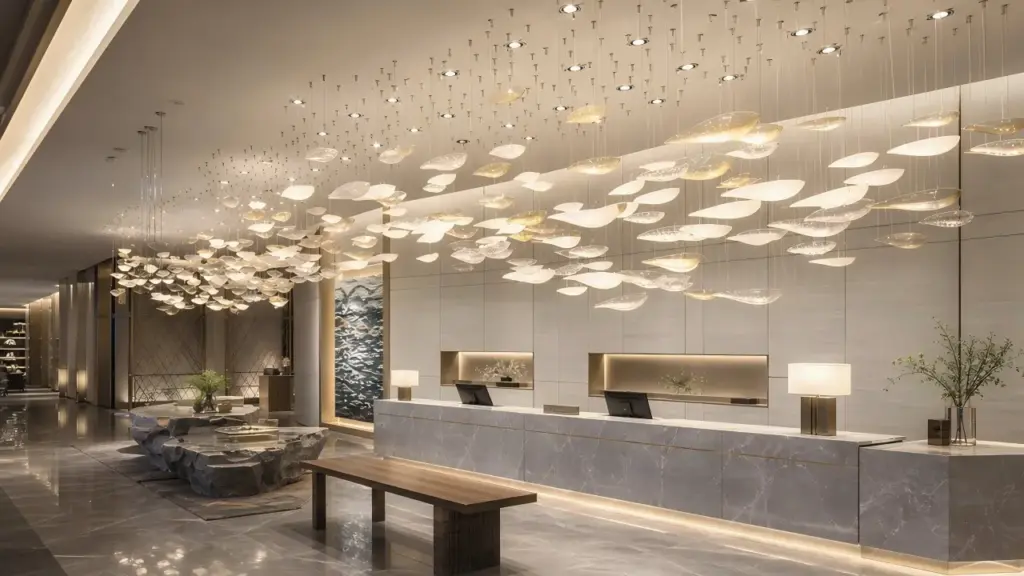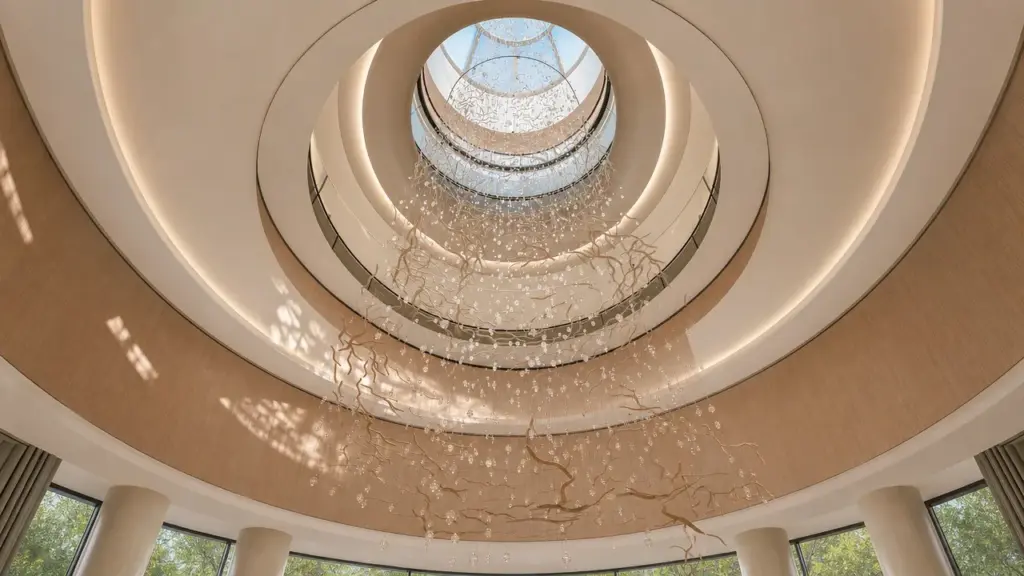
Решения по люстрам для отелей Hyatt не должны копировать одну и ту же формулу роскоши в Park Hyatt и Andaz, поскольку эти два бренда поощряют разное освещение. Освещение Park Hyatt должно чувствовать себя личным, жилым, изысканным и глубоко связанным с культурой и контекстом. Освещение Andaz может быть более плавным, социальным, выразительным и ориентированным на окрестности. Оба могут использовать специальные декоративные светильника, но им нужны разные приоритеты доказательств.
Публичная информация о бренде Hyatt полезна как контекст, а не как официальная спецификация Hyatt. Это не означает, что Hyatt поддерживает Kinglong Lighting. Цель состоит в том, чтобы помочь дизайнерам и командам по закупкам воплотить идеи общедоступного бренда в индивидуальность освещения, требования к макетам, выбор материалов, контрольные сцены и доказательства производства для люстр в отелях и общественных местах.
Ключевые выводы
- Отличие бренда: Park Hyatt и Andaz требуют разного языка освещения, даже если оба являются брендами гостеприимства, ориентированными на дизайн.
- Подсказка Парк Хаятт: Используйте жилой покой, культурный контекст, искусство и сдержанную роскошь в качестве якоря принятия решений.
- Андаз реплика: Более уверенно используйте местное самовыражение, подвижное общественное пространство, коммуникабельность и творческий контраст.
- Общее доказательство: Оба маршрута по-прежнему нуждаются в цветных доказательствах, контрольных сценах, обзоре яркого света, доступе для обслуживания и производственных чертежах.
- Роль Kinglong Lighting: Kinglong Lighting должна предлагать варианты, учитывающие интересы бренда, не подразумевая официального одобрения Hyatt.
Park Hyatt и Andaz начинают с разного поведения гостей
Освещение Park Hyatt часто должно заставить гостя успокоиться; Освещение Andaz может пригласить гостя к исследованию.
Официальный Страница бренда Парк Хаятт подчеркивает личную роскошь, культуру, контекст, дальновидных архитекторов, дизайнеров, искусство и изысканный комфорт. Страница истории Парк Хаятт описывает отель, который может ощущаться как прекрасно ухоженная частная резиденция. Напротив, Страница истории Андаз описывает личный стиль, изменяющиеся пространства, местные материалы и среду, связанную с районом. Хаятт’с Информация о бренде Андаз укрепляет местную перспективу и самовыражение.
Освещение Park Hyatt тихое, но нестандартное.
Тихая роскошь может стать пресной, если ее свести к бежевым материалам и низкому контрасту. Освещение в стиле Park Hyatt по-прежнему должно носить авторский характер: тщательно подобранное искусство, местный камень, теплая древесина, металл на заказ, мягкое отражение и тщательно контролируемый декоративный фокус. Люстра должна поддерживать ощущение частной резиденции, в то же время отвечая требованиям долговечности, обслуживания и безопасности отеля. Вопрос одобрения заключается в том, ощущается ли светильник собранным, продуманным и уместным.
Обзор в стиле Park Hyatt должен включать в себя объективное материальное суждение, потому что гости часто ощущают роскошь в более медленные и жилые моменты. Подвеска над столом для отдыха, скульптурный светильник в вестибюле, напоминающем библиотеку, или люстра возле художественной стены должны вознаграждать за близость. Поставщик должен показать, как поверхность материала, детали кромок, столярные изделия и источник света ведут себя на расстоянии гостя, а не только в широкой архитектурной визуализации.
Освещение Andaz выразительно, но не хаотично.
Пространства в стиле Андаз допускают больше цвета, ритма, контраста и местных отсылок. Освещение общественных мест может способствовать перемещению между баром, лаунжем, художественным залом, стойкой регистрации и социальными зонами, выходящими на окрестности. Риск заключается в том, что слишком много конкурирующих идей. Изготовленная на заказ люстра должна иметь одну четкую сюжетную функцию: ориентацию, социальную энергию, местное ремесло, драматический переход или идентичность района. Файл доказательств должен контролировать личность, чтобы он оставался преднамеренным.
Для Andaz лучший вопрос заключается в том, помогает ли светильник гостю участвовать в мероприятии. Местный материальный ритм может соединить вестибюль с районом. Более открытая форма люстры может способствовать циркуляции жидкости. Более смелый цвет или обработка стекла могут сделать бар более общительным в ночное время. Но для каждого выразительного движения нужна граница: насколько он яркий, насколько прочный, насколько заменяемый, насколько поддающийся чистке и насколько совместимый с системой управления.
Сопоставьте идентичность бренда с решениями по освещению
| Область принятия решений | Направление Парк Хаятт | Андазское направление | Доказательства одобрения |
|---|---|---|---|
| Прибытие | Жилой спокойный и кураторский прием | Социальное открытие и местная энергия | Просмотры гостевых путешествий |
| Материал | Тонкое ремесло, искусство, естественная текстура | Смелая локальная палитра и выразительная поверхность | Готовый мастер и макетная плата |
| Декоративный светильник | Изысканный фокус со сдержанностью | Заявление с историей о районе | Масштабный рендеринг и обзор линии обзора |
| Элементы управления | Плавный переход от дневного к вечернему жилому помещению | Гибкие социальные сцены и события | Кривая затемнения и расписание сцен |
| Обслуживание | Тихий доступ и постоянство премиум-класса | Прочные детали, несмотря на более смелый дизайн | Маршрут очистки и запасные части |
Вывод состоит в том, что Park Hyatt и Andaz могут быть глубоко локальными, но они по-разному выражают локальность. Park Hyatt имеет тенденцию впитывать местный контекст в изысканное спокойствие. Андаз стремится раскрыть местный контекст через социальную энергию и видимую индивидуальность дизайна.
Используйте стандарты освещения, чтобы сохранить индивидуальность полезной
Официальные ссылки на освещение помогают предотвратить субъективную интерпретацию бренда. Библиотека освещения IES дает профессиональный контекст для применения, управления и обслуживания. Концепция WELL v2 Light центрирует визуальный комфорт и человеческий опыт. Часто задаваемые вопросы по DOE TM-30 помогает специалистам по спецификации более точно обсудить цветопередачу. Для идентификации освещения отеля эти источники превращают слова настроения в проверяемые требования.
Рассчитано на основе анализа 4-х зон общественного пространства: прибытие, зона отдыха, обеденная зона и зона циркуляции равны 4 зонам поведения гостей. Если люстра поддерживает только одну зону, она охватывает 25 процентов пути гостя и может стать фотообъектом, а не инструментом гостеприимства. Правило принятия решения состоит в том, чтобы оценивать соответствие бренда по движению в пространстве, а не только по рендеру героя.
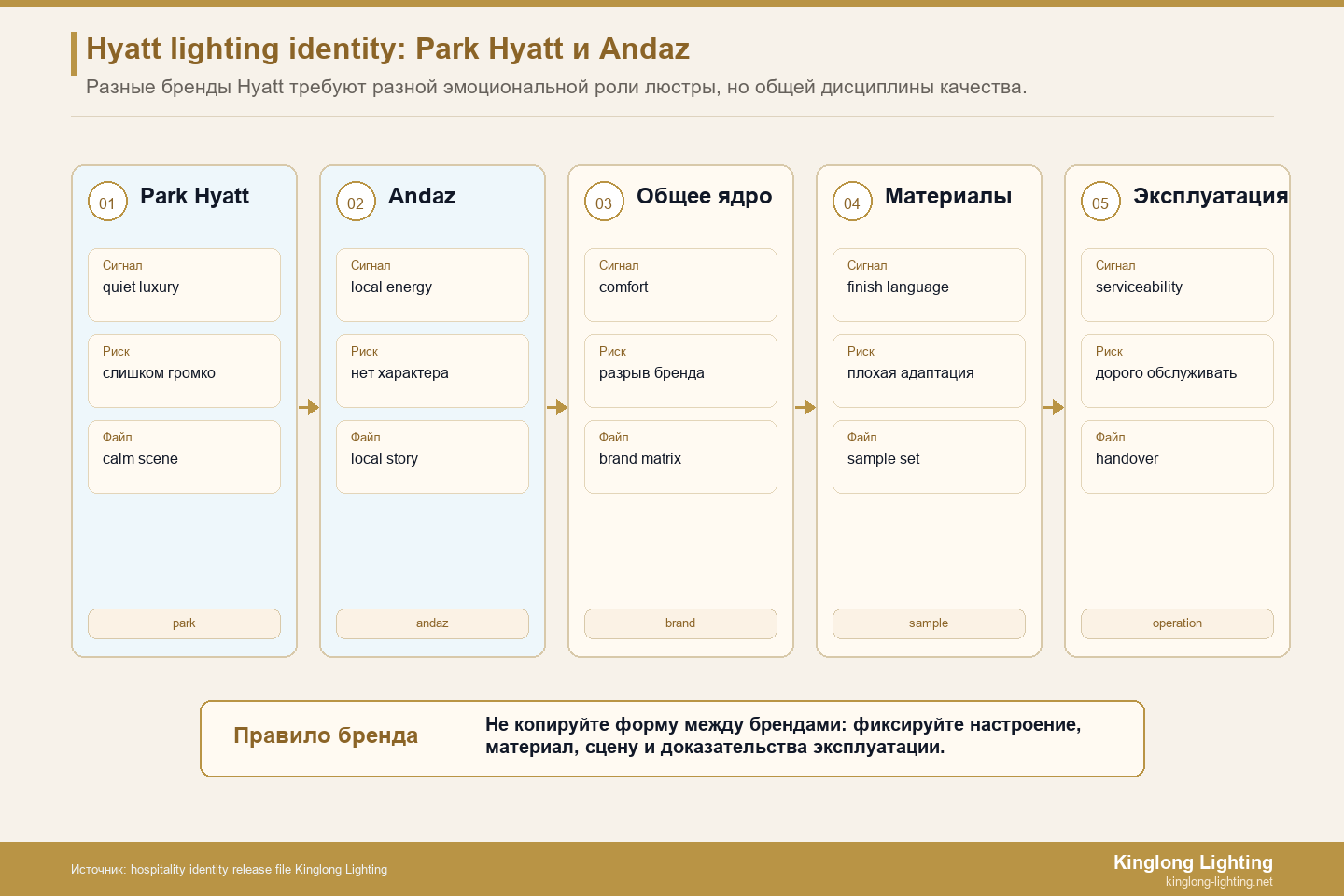
Именно здесь мнения Park Hyatt и Andaz должны расходиться. В проекте Park Hyatt при проверке четырех зон может возникнуть вопрос, ощущается ли каждый переход более спокойным, личным и более уравновешенным. В проекте Andaz те же 4 зоны могут задаться вопросом, ощущается ли каждый переход более социальным, любопытным и связанным с местной энергией. Метод измерения общий, но интерпретация меняется. Это позволяет отделу закупок сравнивать поставщиков с точки зрения дисциплины, сохраняя при этом индивидуальность бренда.
Закупки в стиле Hyatt должны отделять индивидуальность от возможности строительства
Предложение в стиле Park Hyatt может потерпеть неудачу, если оно будет слишком простым; Предложение в стиле Andaz может потерпеть неудачу, если оно будет слишком громким. Оба могут выйти из строя, если светильник не может быть изготовлен, протестирован, упакован, очищен или затемнен должным образом. На рынках назначения доказательства поставщика могут включать маршрут тестирования продукции, документацию по электробезопасности и требования местных органов власти. Такие источники, как Испытание и сертификация светильников UL и Стандартное семейство светильников IEC 60598 показать, почему доказательства светильника должны оставаться связанными с конечной конфигурацией продукта.
В практическом запросе предложений поставщикам следует указать две полосы. Линия идентичности включает в себя фирменный знак, местную отсылку, материальную историю, поведение гостей и визуальную иерархию. Полоса возможности сборки включает чертеж, размеры, вес, драйвер, протокол управления, мастер отделки, маршрут испытаний, упаковку, последовательность установки и доступ для обслуживания. Если мнения расходятся, перед производством требуется еще один этап разработки.
Как Kinglong Lighting может представить варианты Park Hyatt и Andaz
Kinglong Lighting может поддержать это сравнение, создав два четко разделенных концептуальных маршрута. Маршрут Park Hyatt мог бы подчеркнуть теплую сдержанность, тактильные материалы, блеск с низким уровнем бликов и дисциплину жилого масштаба. Маршрут Andaz мог бы подчеркнуть местный материальный ритм, более смелую геометрию, социальные сцены и более выразительные цвета и текстуры. Оба маршрута должны включать одни и те же данные о добыче, чтобы владелец мог сравнить проектную стоимость, не теряя при этом контроля над риском.
Дизайн-платформа Mofun может помочь визуализировать эти маршруты до того, как будет зафиксирована стоимость выборки, и процесс настройки может превратить выбранный маршрут в чертежи, образцы и выпускную документацию. Следующий мягкий шаг — отправить Kinglong Lighting контекст бренда, местную историю, карту общественного пространства, потребности в управлении, палитру отделки и границы бюджета через страница контактов.
Kinglong Lighting может сделать сравнение более подходящим для принятия решений, сохраняя одинаковый базовый пакет производительности для обоих маршрутов. Одинаковые качества драйвера, тест на светорегулирование, безопасный маршрут, дисциплина упаковки и метод утверждения финиша должны поддерживать тихий маршрут Park Hyatt и выразительный маршрут Andaz. Таким образом, покупатель выбирает личность и поведение гостя, не допуская скрытых различий в техническом риске.
В предложении также должно быть указано, какие элементы дизайна имеют решающее значение для бренда. Для Park Hyatt это могут быть пропорции, тона натуральных материалов и интимность с низким уровнем бликов. Для Andaz это может быть местный колорит, социальная видимость и более открытый ритм матчей. Если эти элементы будут названы, команда сможет упростить второстепенные части, не ослабляя при этом идентичности, которую на самом деле воспринимают гости.
Это упрощает внесение последующих изменений, поскольку каждое изменение можно проверить на соответствие списку идентификаторов до того, как поставщик обновит чертежи или образцы.
Похожие руководства
Карта действий Hyatt в области освещения
- Решите, должен ли маршрут привлекать гостей, таких как Park Hyatt, или стимулировать открытия, как Andaz.
- Сопоставьте люстру как минимум с четырьмя зонами поведения гостей.
- В запросе цен отделите доказательства личности от доказательств возможности сборки.
- Перед выпуском проверьте качество цветопередачи, блики, затемнение, отделку и доступ для обслуживания.
- Отправьте оба концептуальных маршрута в Kinglong Lighting для индивидуального обзора.
Практичный файл сравнения Hyatt для утверждения индивидуальной люстры
Сравнение Park Hyatt и Andaz не должно приводить к тому, что оба бренда будут иметь одинаковую световую индивидуальность. Полезный файл разделяет темп гостя, роль комнаты, тон материала, поведение управления и ожидания по обслуживанию, прежде чем покупатель сравнит формы светильников. Это особенно важно для люстр, изготовленных по индивидуальному заказу, потому что небольшое изменение в масштабе, блеске или отделке может сделать сдержанную концепцию недостаточно продуманной, а выразительную концепцию – неконтролируемой.
Начните с гостевого темпа, а не с прилагательных стиля.
Общественные места Park Hyatt обычно вознаграждают за медленное чтение: прибытие, разговор, обед и тихий переход должны вызывать ощущение спокойствия. Пространства Andaz могут нести больше местной энергии, но для этой энергии все равно нужен определенный путь для гостей. Файл сравнения должен описывать, как ведет себя люстра, когда гость входит, садится, фотографирует пространство, проходит мимо бара или гостиной и снова видит светильник из обращения. Такой подход превращает идентичность бренда в последовательность проверок, а не в споры о том, выглядит ли светильник достаточно премиальным.
Переведите тон бренда в решения по материалам и сценам.
Для Park Hyatt существенным вопросом часто является то, смогут ли металл, стекло, камень, хрусталь или ткань сохранять спокойствие в различных сценах. Для Andaz вопрос может заключаться в том, останется ли более строгая геометрия или локальный мотив работоспособными и не будет ли визуально шумным. Полезный пакет поставщика должен содержать образцы отделки, поведение в «теплых сценах», предположения о затемнении и любые индивидуальные детали, которые может быть трудно повторить. Цель не в том, чтобы сделать Andaz консервативным или Park Hyatt простым. Цель состоит в том, чтобы сделать каждое направление развиваемым, не теряя при этом предполагаемого гостевого сигнала.
Предоставьте закупкам единую структуру общих доказательств
Командам по закупкам нужен файл, который может сравнить показания двух брендов без перезапуска технической проверки. Kinglong Lighting может представить варианты через одну и ту же структуру доказательств: краткое описание концепции, отмеченную высоту, подтверждение материала, сцену управления, логику модуля, маршрут упаковки, доступ для обслуживания и границы окончательного выпуска. Когда в обоих вариантах используется один и тот же порядок доказательства, покупатель может увидеть, в чем заключается реальная разница. Один вариант может потребовать дополнительных металлических конструкций; другой может потребовать более жесткого контроля сцены или более тщательного планирования запасных частей.
Заморозить решения, защищающие бренд
Окончательное сравнение должно определить, какие предметы еще можно перемещать, а какие необходимо заморозить перед производством. Цвет отделки, плотность кристаллов, размер модуля, расположение драйвера, маршрут доступа и предположения по очистке не должны меняться после утверждения. Если поздний комментарий изменяет один из этих элементов, он должен повторно открыть нужную часть файла, а не всю концепцию. Благодаря этому сдержанность Park Hyatt и энергия Andaz не превращаются в расплывчатые ярлыки вкуса после публикации заказа на поставку.
Используйте обратную связь по макету, не теряя при этом различия
Обзор макета должен обострить разницу между двумя направлениями, а не подталкивать оба к компромиссу. Если отзыв Park Hyatt просит больше тепла, ответом может быть более мягкая сцена или более тонкое изменение отделки, а не более декоративная форма. Если обратная связь Andaz требует больше энергии, ответом может быть более сильная локальная деталь или ритм акцента, а не неконтролируемый блеск. Регистрация этих вероятных ответов помогает Kinglong Lighting защитить логику проектирования, когда образцы, визуализации и цены пересматриваются одновременно.
Файл сравнения должен заканчиваться простой записью о решении: какой вариант соответствует роли помещения, какие доказательства подтверждают это соответствие и какой следующий образец или рисунок изменит решение. Эта заметка дает команде отеля практический способ двигаться вперед, не сводя два выражения Hyatt в один общий ответ о роскоши.
Часто задаваемые вопросы
Чем освещение Park Hyatt отличается от освещения Andaz?
Освещение Park Hyatt обычно тяготеет к изысканному, жилому, культурно обоснованному спокойствию. Освещение Andaz может быть более выразительным, социальным, локальным и плавным.
Могут ли Park Hyatt и Andaz использовать эффектные люстры?
Да, но заявление должно выполнять разные роли. Заявления Park Hyatt должны выглядеть сдержанными и сдержанными, а заявления Andaz могут нести более заметную местную индивидуальность.
Чего следует избегать поставщикам в предложениях в стиле Hyatt?
Избегайте общих слов о роскоши, необоснованных заявлений бренда и дизайна, который выглядит выразительно, но не имеет контрольных сцен, безопасного маршрута, доступа для очистки и производственных доказательств.