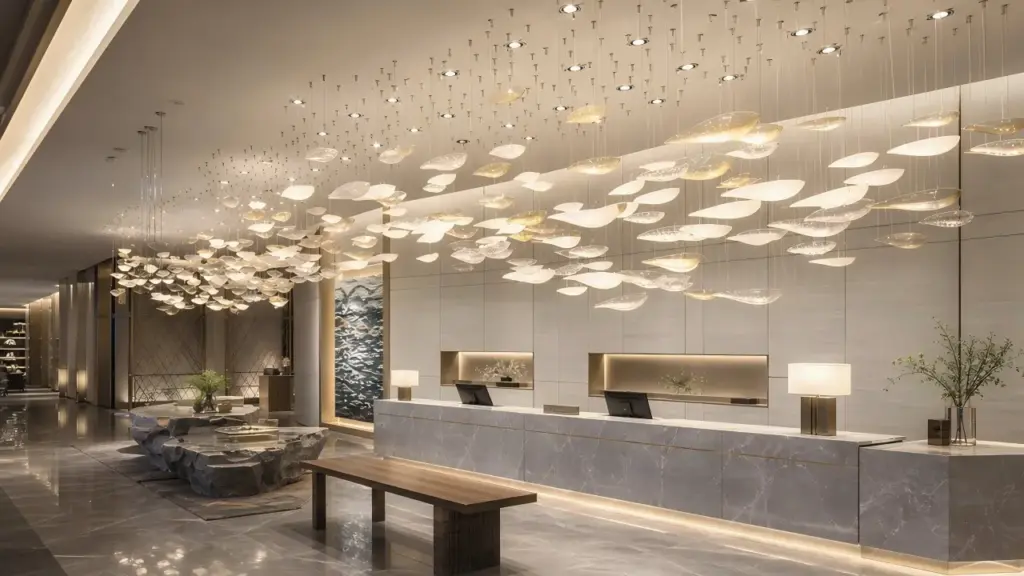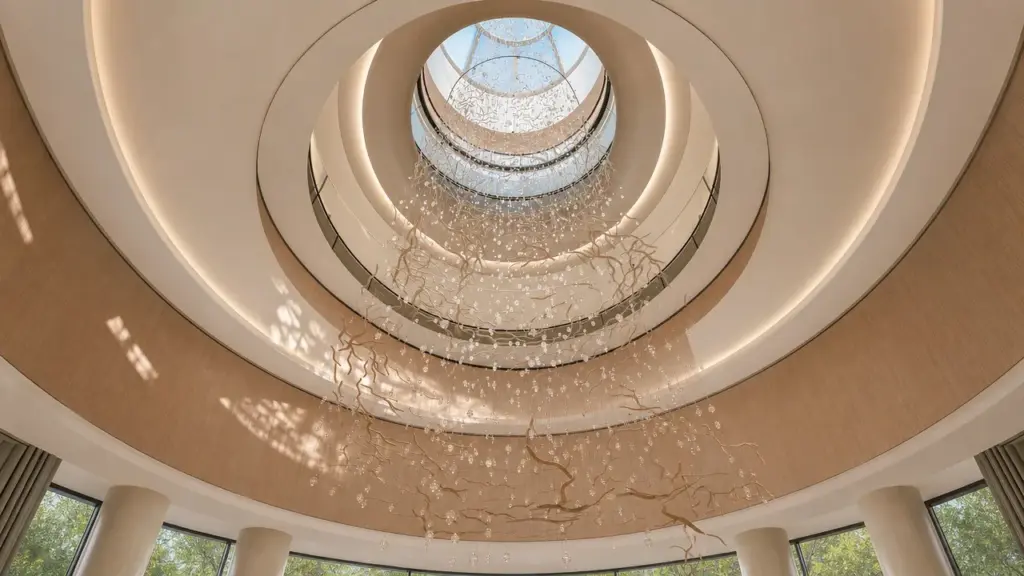
Высоту люстры в большом фойе часто уменьшают до 7-футового правила, но это правило касается только безопасного пола. Вход на виллу по-прежнему требует масштаба прибытия, удобных линий обзора, дисциплины по освещению, отделки с видом сверху и достаточного доступа для уборки и будущего обслуживания.
Распространенной ошибкой является принятие 7 футов за проектный ответ. В скромной комнате это может защитить голову. В двухсветном или большом фойе почти ничего не говорится о том, заполняет ли люстра объем, совпадает с видом на лестницу или намеренно выглядит с верхней площадки.
Kinglong Lighting может помочь превратить 7-футовое правило в полноценный конверт: минимальный зазор, предпочтительная высота дна, вертикальное заполнение, подтверждение подвески, подтверждение материала и доступ для установки.
Ключевые выводы
- 7 футов — это пол: Правило защищает базовый зазор, но не завершает проектное решение.
- Высота требует контекста: Высота двери, высота потолка, вид лестницы и верхняя площадка меняют предпочтительное нижнее положение.
- Шкала может двигаться вверх: Если дно должно оставаться высоким, используйте расстояние между ярусами, диаметр или плотность, чтобы восстановить присутствие.
- Комфорт превосходит зрелищность: Большое фойе должно выглядеть впечатляюще, не добавляя блеска в зоны движения на уровне лица.
- Требуется файл релиза: Утверждение высоты должно включать подвеску, обслуживание, доступ к драйверу и подтверждение отделки.
Правило 7 футов — это минимум, а не конструкция люстры.
Правило допуска обеспечивает безопасность людей; оно не говорит большому фойе, как себя чувствовать.
Библиотека освещения IES поддерживает решения по освещению для конкретных приложений. В фойе виллы приложение учитывает прибытие, ориентацию, архитектурный масштаб и перемещение между уровнями. Правило 7 футов отвечает только на одну часть этой более крупной проблемы.
Рассчитанный по правилу зазора в 7 футов, минимальный зазор в 84 дюйма плюс 6 дюймов запаса для рассмотрения проекта равняется бесконфликтному целевому значению в 90 дюймов для многих путей циркуляции. Эта цель еще не является окончательной эстетической высотой; Именно нижняя граница удерживает команду от одобрения красивого, но навязчивого матча.
Правило принятия решения состоит в том, чтобы отделить минимальный зазор от предпочтительного состава. Минимальный зазор защищает тела и движения. Предпочтительный состав защищает архитектуру. Оба числа должны появиться в файле релиза.
Минимальный зазор защищает движение
Семь футов полезны, поскольку дают команде четкую нижнюю границу зон ходьбы. Если люстра пересекает место, где люди проходят под ней, несут багаж, перемещают мебель или проходят от входа в гостиную, нижняя часть светильника требует жесткой проверки зазора. Это правило особенно важно, когда фойе является не просто выставочным пространством, а частью ежедневного маршрута передвижения. Для принятия решения о разрешении зафиксируйте минимальную высоту 84 дюйма, предпочтительную визуальную высоту дна, верхнюю линию глаз приземления и условия доступа для обслуживания на той же высоте. На практике в этом примечании должно быть ясно указано, какое число защищает безопасность, а какое — состав.
Высота большого фойе сохраняет пропорции
Как только минимальный зазор станет безопасным, команде все равно придется решить, принадлежит ли люстра визуально комнате. Небольшой светильник, расположенный достаточно высоко, чтобы обеспечить зазор, может выглядеть отдаленным. Широкий светильник, расположенный достаточно низко, чтобы создать драматизм, может загромождать дверной проем. Таким образом, высота большого фойе зависит от объема, оси входа, вида лестницы, верхней площадки, плотности материала и того, как люстра видна из соседних помещений. Для принятия решения о разрешении зафиксируйте минимальную высоту 84 дюйма, предпочтительную визуальную высоту дна, верхнюю линию глаз приземления и условия доступа для обслуживания на той же высоте. На практике в этом примечании должно быть ясно указано, какое число защищает безопасность, а какое — состав.
Прежде чем утверждать производство, используйте три значения высоты.
При практическом обзоре высоты фойе следует указать минимальную высоту низа, предпочтительную визуальную высоту низа и максимальную высоту верха или подвески. Эти три цифры определяют размер люстры. Они также облегчают сравнение многоярусной люстры, подвесного кластера, каскада или скульптурного корпуса, не раскрывая заново всю концепцию.
На практике, если зазор поднимает светильник выше первого изображения дизайна, ответом не всегда будет сделать люстру ниже. Лучшим ответом может быть увеличение вертикального ритма, использование более широкого, но более светлого верхнего яруса, добавление контролируемого блеска выше по объему или поддержка люстры другими слоями освещения.
| Номер высоты | Что он контролирует | Риск, если его игнорировать | Доказательства для запроса |
|---|---|---|---|
| Минимальное дно | безопасное перемещение под светильником | людям кажется, что у люстры тесно | измеренная высота |
| Предпочтительное дно | масштаб прибытия и визуальный вес | светильник выглядит слишком отдаленным или слишком тяжелым | Рендеринг входа и лестницы |
| Верх/подвес | потолочное соединение и доступ для обслуживания | кабели или навес выглядят неразрешенными | Детали навеса и подвески |
| Верхняя посадочная линия глаз | блики и верхняя отделка | светильник сверху выглядит незавершенным | доказательство вида на посадку |
| Высота обслуживания | доступ для чистки и замены | красивый светильник становится трудным в уходе | примечание о маршруте обслуживания |
Часто задаваемые вопросы по выбору освещенности IES Это полезно, поскольку критерии освещения зависят от задачи и контекста приложения. Для фойе это означает, что движение, прибытие и виды верхнего уровня следует рассматривать как отдельные контексты утверждения.
Руководство по многоуровневому освещению Lutron полезен, поскольку слои окружения, задачи и акцента следует планировать вместе. Таким образом, большая люстра в фойе может нести индивидуальность, в то время как скрытые слои, настенное освещение или освещение лестницы защищают комфорт и движение.
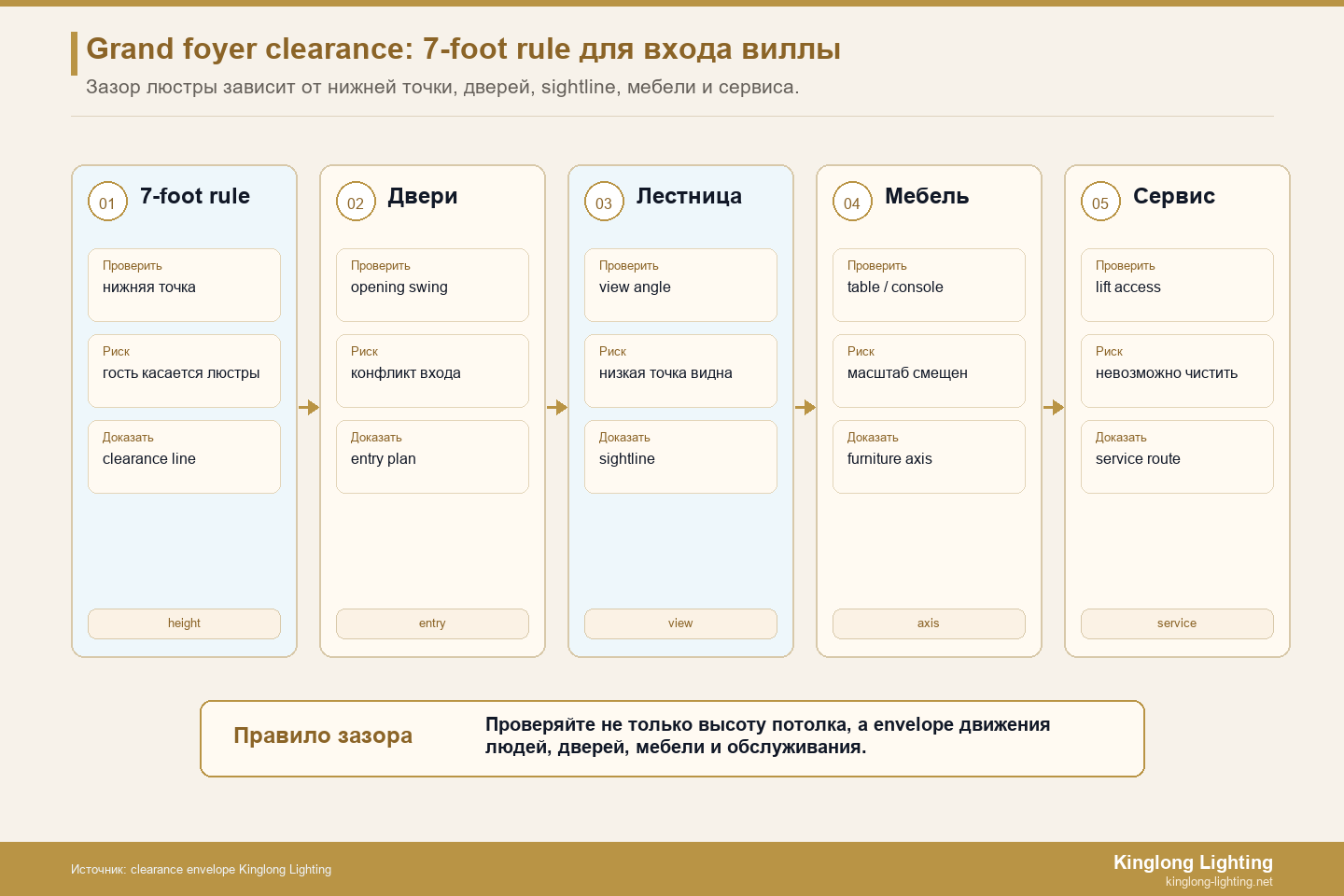
Плотность материала меняет ощущение высоты
Люстра с прозрачными стеклянными стержнями, открытыми металлическими кронштейнами или небольшими подвесными точками часто может находиться в большей визуальной оболочке, чем плотная хрустальная масса. Измеренная высота дна может быть той же, но воспринимаемый вес меняется. Вот почему образцы материалов следует проверять по высоте, а не по высоте.
Руководство Министерства энергетики США по освещению жилых помещений полезно, поскольку качество освещения жилых помещений зависит не только от выбора светильников; Яркость, элементы управления и многоуровневое освещение также имеют значение. Поэтому большое фойе должно проверять яркость и блеск от входной двери, лестницы, верхней площадки и ближайшего жилого порога.
Руководство UL по освещению жилых помещений полезен, поскольку для декоративных светильников требуется полное свидетельство о продукте. Для большой люстры в прихожей опора, проводка, доступ к драйверу, запасные части и безопасная последовательность установки являются частью решения по высоте.
Как Kinglong Lighting превращает оформление в конверт для релиза
Сервис освещения вилл Kinglong Lighting наиболее эффективна, когда покупатель предоставляет размеры холла, высоту потолка, положение лестницы, высоту двери, фотографии верхней площадки, предпочтительный стиль, а также любые структурные ограничения или ограничения по обслуживанию. Эти входные данные превращают простое правило оформления в конверт люстры для конкретного проекта.
рабочий процесс настройки затем может преобразовать конверт в чертежи, образцы материалов, логику подвески и детали производства. Следующий практический шаг — задать вопрос через страница запроса проекта для обзора высоты, который отделяет минимальный зазор от предпочтительной визуальной композиции.
Преобразование зазора в безопасный для производства диапазон высоты
Безопасный для производства диапазон высоты более полезен, чем одно число. В нем указаны самая низкая разрешенная точка, предпочтительный нижний диапазон, наибольшая визуальная масса, зона приостановки и условия доступа к обслуживанию. Это позволяет команде дизайнеров корректировать форму, не открывая систему безопасности повторно.
Если владелец хочет большего драматизма, команда может сравнить четыре пути коррекции: опустить светильник, только если это позволяет циркуляция, расширить верхний ярус, увеличить вертикальный ритм или добавить поддерживающее архитектурное освещение. Правило 7 футов остается защищенным, пока фойе все еще присутствует.
Установщик должен увидеть тот же конверт перед началом производства. Устройство, которое освобождает людей, но его нельзя поднять, подключить, почистить или отремонтировать, не является полностью готовым к выпуску. Поэтому доступ к сервису должен быть частью переговоров по разрешению с самого начала.
На практике Kinglong Lighting может указать отмеченную высоту с минимальным зазором, рекомендуемым нижним диапазоном, деталями верхней подвески, примечанием о плотности материала и маршрутом очистки. Этот рисунок превращает общее правило в краткое описание люстры для виллы, которую можно изготовить.
В файле зазоров также должно быть указано, где применяется 84-дюймовый пол. Пустота для витрины, мебельный маршрут, дорожка для багажа и лестничная площадка не несут такого же риска. Маркировка фактического маршрута ходьбы позволяет команде обеспечить безопасность, не заставляя каждую часть люстры подчиняться наиболее консервативному пункту.
| Слой конверта | Вопрос | Выход |
|---|---|---|
| Минимальный зазор | Где проходят люди? | 84 этажа или выше |
| Предпочтительное дно | Где люстра чувствует себя сбалансированной? | визуальный нижний диапазон |
| Вертикальная заливка | Как восстанавливается присутствие? | ярусы, ритм или плотность |
| Сервисный уровень | Можно ли обслуживать светильник? | доступ и запасная заметка |
Карточка действий по очистке большого фойе
- Отметьте минимум 7 футов только после определения всех маршрутов ходьбы и мебели под светильником.
- Добавьте желаемую высоту низа, высоту верха и линию глаз приземления на одну и ту же высоту.
- Проверьте, следует ли решать масштаб за счет более низкого падения, более широкого уровня, более высокого ритма или плотности материала.
- Прежде чем заморозить плотность кристаллов или стекла, проверьте блики от верхней площадки и лестницы.
- Приложите примечания по подвеске, обслуживанию, доступу драйвера и замене к окончательному утверждению высоты.
Похожие руководства
- Выбор люстры двойной высоты для прихожей
- Формула размера люстры на вилле
- Лестничная люстра, длина подвеса
Перед окончательным утверждением составьте файл разрешения для большого фойе высотой семь футов.
Для определения высоты люстры в большом фойе полезной отправной точкой является контекст применения, а не декоративные предпочтения. Практический вопрос заключается в том, смогут ли владелец виллы, дизайнер интерьеров, архитектор, поставщик освещения и установщик договориться о том, что необходимо доказать, прежде чем люстра будет выпущена. Ответом является короткий пакет, который объединяет проектные замыслы, операционные риски, доказательства и ответственность в один диалог по утверждению.
Основной риск заключается в том, что правило 7 футов считается достаточным, в то время как распахивание дверей, движение гостей, виды сверху и масса светильников все еще требуют пересмотра. Этот риск наиболее велик, когда красивый светильник отделен от доказательств, которые делают его пригодным для сборки, обслуживания и безопасным для выпуска. По результатам проверки 5 этапов, 2 нерешенных этапа из 5 оставляют открытыми около 40 процентов логики утверждения, что является слишком большой неопределенностью для индивидуального заказа на декоративное освещение.
Использовать семь футов в качестве пола, а не полное решение
Первый вопрос утверждения должен определить решение по высоте. Решение не в том, будет ли люстра выглядеть превосходно сама по себе; вопрос в том, защищает ли выбранный подход роль помещения, впечатления гостя или владельца, операционную реальность и передачу производства одновременно. В примечаниях к выпуску следует указать ответственного за решение, ожидаемое доказательство и изменение, которое приведет к перепроектированию. Эта граница позволяет покупателю отказаться от заманчивого варианта по конкретной причине, вместо того, чтобы полагаться на язык вкуса.
Проверьте зазор на фактическом пешеходном маршруте.
Первая точка отказа обычно возникает там, где визуальное обещание встречается с ежедневным использованием. Рассчитано на основе файла с зазором семь футов в большом фойе с 5 этапами проверки: 1 слабый этап проверки, умноженный на 3 команды ниже по течению, равен 3 путям проверки, которые могут быть задержаны из-за одного пропущенного элемента доказательства. Обзор должен включать вид или рабочее состояние, исправление которых в дальнейшем будет наиболее дорогостоящим. Поведение сцены и контекст должны быть протестированы до того, как светильник будет считаться готовым к выпуску.
Баланс между безопасностью в нижней точке и вертикальным присутствием
Доказательства поставщика полезны только тогда, когда они соответствуют контролируемому риску. Запрос должен преобразовать этот риск в доказательства, такие как схема свободного пространства, маршрут дверей и лестниц, размеры самой низкой точки, примечание о подвеске, доступ для обслуживания и обоснование визуальной высоты. Если риск масштабный, запросите отмеченную высоту и вид на линию обзора. Если риск связан с цветом, запросите образец материала под целевой сценой. Если риск связан с техническим обслуживанием, запросите маршрут очистки и логику замены запасных частей. Доказательства должны изменить решение об освобождении, а не украшать дело.
Задокументируйте исключение из допуска перед производством.
Рабочий процесс проекта Kinglong Lighting перемещает изготовленные на заказ люстры для гостиничного бизнеса и вилл через чертежи, образцы, производство, упаковку, доставку и установку на месте. В окончательной передаче должно быть указано, что одобрено, что остается гибким и кто может отклонить изменение. На практике пакет выпуска должен включать как минимум 5 именованных этапов проверки и ответственного за каждый этап. Это не позволяет более позднему предложению превратиться в модернизацию после того, как светильник уже запущено в производство.
Часто задаваемые вопросы
Всегда ли 7 футов достаточно для большой люстры в фойе?
Семь футов — это полезный минимум в пешеходных зонах, но в больших фойе часто требуется дополнительная проверка высоты дверей, вида на лестницу, перемещения мебели, обзорности верхней площадки и доступа для обслуживания.
Должна ли люстра в большом фойе висеть ниже для драматизма?
Она может висеть ниже, если люстра находится за пределами пешеходной дорожки и вид на площадку остается комфортным. Если оно зависит от циркуляции, драма часто должна исходить из вертикального ритма, расстояния между ярусами или плотности материала, а не из-за нижней нижней точки.
Как узнать, что люстра в прихожей слишком высока?
Люстра может быть слишком высокой, если она выглядит удаленной от входа, не заполняет объем двойной высоты или оставляет нижнее фойе визуально пустым. Прежде чем менять перепад, просмотрите виды входа, лестницы, лестничной площадки и соседних помещений.
Что компания Kinglong Lighting должна проверить перед началом производства?
Компания Kinglong Lighting должна учитывать размеры вестибюля, высоту потолка, расположение дверей и лестниц, минимальный зазор, предпочтительную визуальную высоту дна, плотность материала, подвеску, доступ для очистки и расположение драйвера.