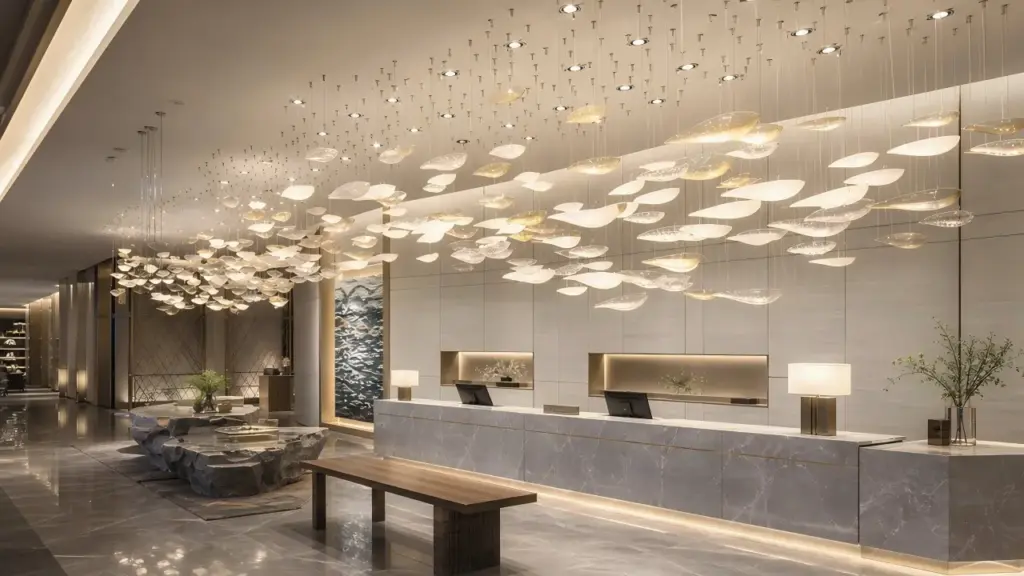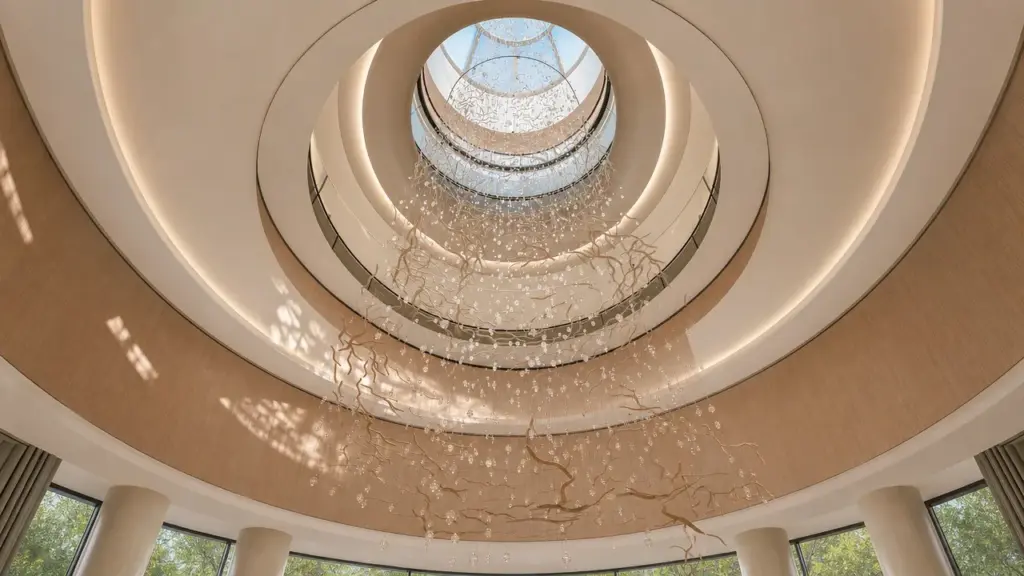
Las cadenas hoteleras de cinco estrellas no consideran primero a un proveedor de iluminación chino como una fábrica más barata; analizan si el proveedor puede absorber el riesgo sin crear problemas de marca, cronograma, cumplimiento o mantenimiento. El precio importa, pero se vuelve persuasivo sólo después de que el proveedor demuestra que la calidad, la documentación, la entrega y la responsabilidad pueden sobrevivir a un proyecto real.
Las políticas de abastecimiento público de los grupos hoteleros globales apuntan en la misma dirección. El comprador quiere un comportamiento del proveedor que pueda ser auditado, no una hermosa cotización que deje todas las decisiones difíciles en manos del propietario, diseñador o contratista.
Es por eso que Kinglong Lighting debe evaluarse a través de evidencia: experiencia en hotelería, ingeniería personalizada, control de materiales, coordinación de pruebas, documentación y la capacidad de respaldar un proyecto desde el concepto hasta la entrega.
Conclusiones clave
- Propiedad del riesgo: Los compradores de cadenas quieren proveedores que documenten y reduzcan el riesgo, no proveedores que sólo coticen rápidamente.
- Dirección política: Las políticas de abastecimiento de los grupos hoteleros públicos muestran una creciente atención a las adquisiciones responsables y a la conducta de los proveedores.
- Archivo de prueba: Los planos, las muestras, la ruta de prueba, la trazabilidad, el embalaje y los supuestos de instalación son importantes antes de la aprobación.
- Ventaja de China: Un proveedor de iluminación chino es más fuerte cuando la velocidad de fabricación va acompañada de disciplina en materia de pruebas.
- Relevancia de Kinglong: La gran capacidad de hostelería y lámparas de araña personalizadas debe presentarse como un archivo de decisiones, no como un folleto.
Las cadenas hoteleras compran sistemas de proveedores, no sólo instalaciones fijas
Una cadena de hoteles de 5 estrellas no se limita a comprar una lámpara de araña procedente de China; es comprar confianza en que el proveedor no exportará riesgos no resueltos al equipo del proyecto.
Marriott mantiene recursos de políticas y proveedores a través de su centro de políticas Serve 360. Hilton publica un Política de abastecimiento responsable. IHG publica un política de compras responsables. Accor también ha debatido públicamente la contratación responsable a través del Alianza Hotelera para la Compra Responsable. Estas fuentes no son especificaciones de iluminación, pero muestran por qué los compradores de cadenas piden a los proveedores más que un catálogo.
El mecanismo de adquisición es la rendición de cuentas. Una lámpara de araña decorativa afecta la impresión del área pública, el cronograma de instalación, la revisión eléctrica, la ingeniería del hotel y el mantenimiento a largo plazo. Si un proveedor no puede demostrar cómo se controlan las decisiones, la cadena hotelera hereda el riesgo. Por eso, la presentación más potente de los proveedores chinos debería organizarse en torno a las pruebas, no sólo a la gama de productos.
La evidencia de cumplimiento hace que la cotización sea creíble
Para una cadena hotelera, la evidencia de cumplimiento no es un papeleo para el final del proyecto. Determina si un proveedor puede ser preseleccionado. Es posible que el comprador necesite conocer el mercado de destino, la ruta de prueba, las suposiciones de etiquetado, las limitaciones eléctricas o de incendio, y si un cambio de producto afecta la evidencia previamente aprobada. Un proveedor que trata esto como un paso administrativo tardío crea incertidumbre en las adquisiciones.
La Pruebas y certificación de luminarias UL La página es una referencia pública útil porque recuerda a los compradores que las luminarias necesitan pruebas técnicas más allá de la apariencia. Es posible que una cadena hotelera no requiera el mismo archivo en todos los países, pero esperará que el proveedor comprenda que las declaraciones de cumplimiento deben ser específicas, rastreables y alineadas con los requisitos del destino.
El control de materiales y acabados protege la consistencia de la marca
Las cadenas de hoteles de lujo se preocupan por la coherencia porque los huéspedes experimentan una marca a través de detalles repetidos. El tono del metal, la claridad del cristal, el color del difusor, la alineación de los bordes y la durabilidad de la superficie influyen en si la luminaria se siente alineado con la propiedad. El riesgo no es sólo un defecto visible. Se trata de una discrepancia a nivel de propiedad entre la muestra aprobada y el resultado instalado.
Un proveedor chino debe estar preparado para mostrar muestras aprobadas, patrones de acabado, controles de lotes, fotografías de inspección y lógica de piezas de repuesto. El comprador necesita saber si un acabado se puede repetir después de una reclamación por daños, una segunda fase o una renovación. Un proveedor que puede fabricar una muestra hermosa pero no puede reproducir la historia del material es arriesgado para el abastecimiento en cadena.
La planificación de entrega e instalación muestra madurez operativa
Las cadenas hoteleras también evalúan si el proveedor comprende la realidad del sitio. Las lámparas de araña grandes pueden necesitar construcción modular, mapeo de cajas, notas de protección, supuestos de elevación, acceso del driver, repuestos y coordinación de instalación. El objeto decorativo forma parte de un programa de construcción. Si el proveedor envía piezas que son difíciles de identificar o reparar, el equipo del sitio paga el costo.
Aquí es donde la madurez manufacturera se hace visible. Los proveedores sólidos etiquetan los módulos, separan las piezas frágiles, relacionan las listas de embalaje con la secuencia de instalación y explican qué trabajo pertenece al contratista. También señalan suposiciones en lugar de ocultarlas. Un comprador de cadena suele sentirse más cómodo con un proveedor que identifica el riesgo con antelación que con uno que promete que todo es fácil.
Lo que debe acreditar un expediente de proveedor de una cadena hotelera
| Preocupación por las adquisiciones | Prueba del proveedor | Por qué les importa a los compradores de cadenas | Advertencia de archivo débil |
|---|---|---|---|
| Abastecimiento responsable | Respuestas sobre conducta y trazabilidad de proveedores | Protege las expectativas de marca y auditoría. | Sólo fotos de precio y producto. |
| Cumplimiento técnico | Ruta de prueba del mercado de destino y plan de etiquetado | Reduce la incertidumbre de aprobación | Reclamaciones de certificados genéricos |
| Consistencia del diseño | Finalizar el control maestro y de lotes | Mantiene la experiencia de marca repetible | Una muestra sin registro de repetibilidad |
| Entrega del proyecto | Dibujos, mapa de módulos, plan de embalaje. | Protege el horario de apertura | Las cajas llegan sin lógica de secuencia |
| Operaciones | Acceso de mantenimiento y lista de repuestos. | Apoya la ingeniería hotelera tras su apertura | Sin plan de servicio después de la instalación |
La tabla convierte la selección de proveedores en una discusión sobre transferencia de riesgos. El comprador no pregunta si China puede fabricar iluminación de lujo; el comprador pregunta repetidamente qué proveedor puede demostrar el resultado de lujo.
La ventaja del proveedor chino depende de la disciplina de la evidencia
Los proveedores de iluminación chinos a menudo compiten a través de la profundidad de fabricación, la velocidad y el trabajo personalizado de ingeniería de valor. Esas ventajas están listas para la cadena sólo cuando se combinan con la documentación. Una muestra rápida es útil. Es mucho más útil una muestra rápida con control de revisión de planos, registro de acabado, notas eléctricas, plan de embalaje y supuestos de instalación. El costo oculto de la velocidad es la ambigüedad cuando el equipo del proyecto no puede verificar qué cambió.
Calculado a partir de un archivo de proveedor de 7 partes: 3 áreas de prueba faltantes / 7 áreas requeridas = 42,9 por ciento de la pantalla de riesgo del comprador de la cadena sin resolver. Si las áreas que faltan son cumplimiento, repetibilidad del acabado y plan de instalación, el comprador tiene pocas razones para confiar en un precio más bajo. En la práctica, una cotización diseñada con valor debería reducir el riesgo, no simplemente sacarlo de las partidas cotizadas.
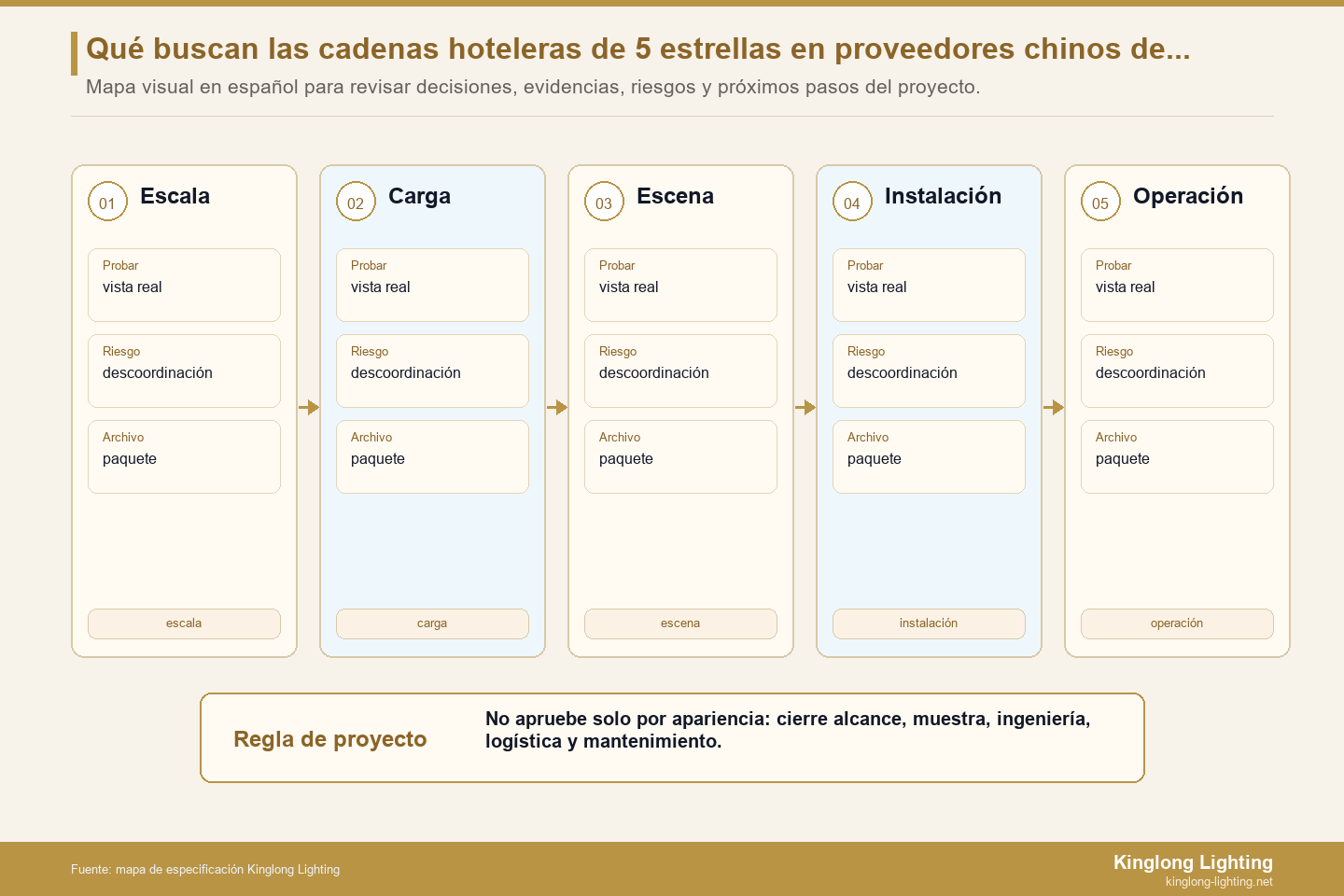
Con base en este cálculo de escenario, un proveedor debe presentar un archivo de decisión en la misma secuencia que utiliza la cadena hotelera para aprobar el riesgo: capacidad de la empresa, respuestas de abastecimiento responsable, dibujos de productos, muestras de materiales, ruta de prueba, controles de producción, plan de entrega, entrega de instalación y soporte post-servicio. Esa estructura hace que las adquisiciones parezcan controlables.
Donde Kinglong Lighting debería liderar la conversación
La mejor opción para Kinglong Lighting es la iluminación hotelera personalizada basada en evidencia. La acerca de la página y los activos de marca respaldan la escala de fabricación, la herencia de 1993 y el posicionamiento del laboratorio acreditado por CNAS. La iluminación de hostelería La página conecta a la empresa con las necesidades del proyecto hotelero, y la flujo de trabajo de personalización admite documentación de producción y diseño a medida.
La postura comercial correcta es una prueba tranquila. En lugar de pretender ser el mejor proveedor chino, Kinglong Lighting puede mostrar cómo un comprador de cadena debe revisar los dibujos, las muestras, la ruta de prueba, el control de acabado, la secuencia de embalaje y el acceso al servicio. Ese tipo de evidencia es más persuasiva para las cadenas hoteleras de 5 estrellas que una larga galería de productos sin controles de riesgo para el comprador.
Paquete de evidencia de proveedores antes de la lista corta
Antes de preseleccionar a un proveedor de iluminación chino, solicite un paquete de pruebas compacto. Incluya el perfil de la empresa, los tipos de proyectos hoteleros relevantes, la muestra de dibujo, el proceso muestra maestra de acabado, la ruta de prueba, los puntos de control de calidad de la producción, la secuencia de embalaje, los supuestos de instalación, las piezas de repuesto, el método de mantenimiento y la ruta de contacto posventa. Pídale al proveedor que indique qué se ha demostrado, qué se supone y qué depende del contratista local o del mercado de destino.
Si su proyecto pasó del concepto a la adquisición, envíe a Kinglong Lighting el nivel de marca, el rol del área pública, el acabado objetivo, la cantidad, el destino, los documentos requeridos y el cronograma de apertura a través del revisión de evidencia de proveedores de cadenas hoteleras. Solicite un archivo de prueba antes de comparar cotizaciones finales.
Guías relacionadas
- Adquisición de lámparas de araña de cadenas hoteleras: análisis entre marcas
- Iluminación de la marca de lujo Marriott
- Identidad de iluminación hotelera de Hyatt
Crear el archivo de evaluación de adquisiciones de proveedores de iluminación chinos antes de la aprobación final
El punto de partida útil para el proveedor chino de una cadena hotelera es el contexto de aplicación más que la preferencia decorativa. La cuestión práctica es si el responsable de adquisiciones de la cadena hotelera, el propietario, el diseñador, el director de calidad y el proveedor pueden ponerse de acuerdo sobre lo que debe demostrarse antes de lanzar la lámpara de araña. La respuesta es un paquete breve que convierte la intención del diseño, el riesgo operativo, la evidencia y la responsabilidad en una sola conversación de aprobación.
El principal riesgo es que las cadenas hoteleras juzguen a los proveedores por país o precio en lugar de dibujos, soporte de pruebas, muestras, control de producción y comunicación en el sitio. Ese riesgo es mayor cuando un objeto hermoso se separa de la evidencia que lo hace edificable, mantenible y seguro para su lanzamiento. Calculado a partir de una revisión de 7 etapas, 3 de 7 etapas sin resolver dejan abierto alrededor del 43 por ciento de la lógica de aprobación, lo cual es demasiada incertidumbre para un pedido de iluminación decorativa personalizada.
Evalúe a los proveedores basándose en las pruebas, no sólo en el origen
La primera pregunta sobre la aprobación debería definir la decisión práctica de compra del proveedor chino de la cadena hotelera. La decisión no es si una lámpara de araña parece premium de forma aislada; se trata de si el enfoque seleccionado protege el rol de la habitación, la experiencia del huésped o del propietario, la realidad operativa y el traspaso de la producción al mismo tiempo. La nota de la versión debe nombrar al propietario de la decisión, la prueba esperada y el cambio que obligaría a un rediseño. Ese límite permite al comprador rechazar una opción tentadora por una razón específica en lugar de confiar en el lenguaje del gusto.
Solicite disciplina de comunicación antes de la producción.
El primer punto de falla suele aparecer donde la promesa visual se encuentra con el uso diario. Calculado a partir del archivo de evaluación de adquisiciones de proveedores de iluminación chinos de 7 etapas, 1 etapa débil multiplicada por 4 equipos posteriores equivale a 4 rutas de revisión que pueden retrasarse por un elemento de prueba omitido. La revisión debe incluir la vista o condición operativa que sería más costosa de arreglar más adelante. El comportamiento y el contexto de la escena deben probarse antes de que el dispositivo se considere listo para su lanzamiento.
Verifique el control y la repetibilidad de la muestra.
La evidencia del proveedor es útil sólo cuando coincide con el riesgo que se está controlando. La solicitud debe convertir ese riesgo en pruebas, como una declaración de capacidad, evidencia del proyecto, proceso de muestra, ruta de prueba, cadencia de comunicación y documentación de lanzamiento. Si el riesgo es de escala, solicite una elevación marcada y una vista de línea de visión. Si el riesgo es el color, solicite una muestra del material debajo de la escena de destino. Si el riesgo es mantenimiento solicitar ruta de limpieza y lógica de repuestos. La evidencia debe cambiar la decisión de liberación, no adornar el expediente.
Utilice la calidad de la documentación como filtro de adquisiciones
El flujo de trabajo del proyecto de Kinglong Lighting mueve lámparas de araña personalizadas para hoteles y villas a través de dibujos, muestras, fabricación, embalaje, envío e instalación en el sitio. El traspaso final debe indicar qué se aprueba, qué permanece flexible y quién puede rechazar un cambio. En la práctica, el paquete de autorización debe incluir al menos 7 etapas con nombre y un propietario para cada etapa. Eso evita que una sugerencia posterior se convierta en un rediseño después de que el dispositivo ya haya entrado en producción.
Establecer el límite de aprobación final para el expediente de evaluación de adquisiciones de proveedores de iluminación chinos
El límite de aprobación final es el punto en el que el proveedor chino de la cadena hotelera deja de ser una conversación abierta sobre diseño y se convierte en una decisión de producción controlada. Ese límite debe escribirse antes de que se publique la orden de compra, porque protege al comprador de cambios tardíos que parecen pequeños en una reunión pero que afectan los dibujos, las muestras, el embalaje, los controles, el acceso al sitio o el mantenimiento.
Nombra las decisiones que aún pueden moverse
Algunas decisiones pueden seguir siendo flexibles sin crear riesgos graves. Calculado a partir del archivo de aprobación de 7 etapas, 7 etapas en total menos 3 etapas de alto riesgo equivalen a 4 etapas de menor riesgo que generalmente pueden absorber un refinamiento controlado. Para el expediente de evaluación de adquisiciones de proveedores de iluminación chinos, esa flexibilidad debe alejarse del peso, el tamaño del módulo, las pruebas de seguridad, el acceso al sitio y el rango de muestra aprobado. Cuando la flexibilidad es explícita, Kinglong Lighting y el equipo del proyecto pueden responder a los comentarios del diseño sin reabrir el paquete de lanzamiento completo.
Nombra las decisiones que deben congelarse
Las decisiones congeladas deberían ser los elementos que conecten la promesa visual con la fabricación y el trabajo en el sitio. En el archivo de evaluación de adquisiciones de proveedores de iluminación chinos, congele la evidencia más relacionada con las cadenas hoteleras que juzgan a los proveedores por país o precio en lugar de dibujos, soporte de pruebas, muestras, control de producción y comunicación del sitio: declaración de capacidad, evidencia del proyecto, proceso de muestra, ruta de prueba, cadencia de comunicación y documentación de lanzamiento. Si uno de esos elementos de prueba cambia, el cambio debería desencadenar una revisión formal en lugar de una aprobación rápida por correo electrónico. El objetivo no es bloquear el refinamiento del diseño; es para evitar que el riesgo de liberación específico pase por alto la evidencia que hace que el proyecto sea edificable.
Preguntas frecuentes
¿Las cadenas hoteleras eligen proveedores de iluminación chinos principalmente por el precio?
No, el precio sólo importa después de que el proveedor demuestre que tiene control de riesgos. Las cadenas hoteleras evalúan la documentación, el conocimiento del cumplimiento, la consistencia del material, la confiabilidad de la entrega, la planificación de la instalación y el soporte posservicio. Una cotización más baja puede perder credibilidad si el comprador no puede verificar qué se incluye, qué se supone y qué pruebas se entregarán.
¿Qué documentos debe preparar un proveedor de iluminación chino?
Un proveedor debe preparar información de capacidad de la empresa, dibujos, muestras de materiales, patrones de acabado, ruta de prueba o certificación, notas de control de calidad de producción, plan de embalaje, supuestos de instalación, repuestos e instrucciones de mantenimiento. Para las cadenas de hoteles, el archivo debe estar lo suficientemente organizado para la revisión de adquisiciones, diseño, contratistas y operadores.
¿Cómo pueden los compradores verificar la consistencia del acabado antes de la producción en masa?
Los compradores pueden verificar la consistencia del acabado aprobando modelos físicos, solicitando fotografías de control de lotes, definiendo la tolerancia aceptable y vinculando la aprobación de producción a la muestra aprobada. El proveedor también debe explicar cómo serán compatibles las piezas de repuesto más adelante. Una imagen renderizada o de catálogo no es suficiente para una iluminación de lujo en áreas públicas.
¿Son las políticas públicas de abastecimiento de hoteles verdaderos estándares de lámparas de araña?
No, las políticas de abastecimiento público no son estándares de lámpara de araña. Muestran expectativas de adquisición más amplias en torno a la conducta, la responsabilidad y la evidencia de los proveedores. Los compradores aún necesitan especificaciones de iluminación específicas del proyecto, revisión del cumplimiento local, dibujos, muestras y documentos de instalación. Las políticas públicas ayudan a encuadrar el riesgo de los proveedores, no a reemplazar la aprobación técnica.