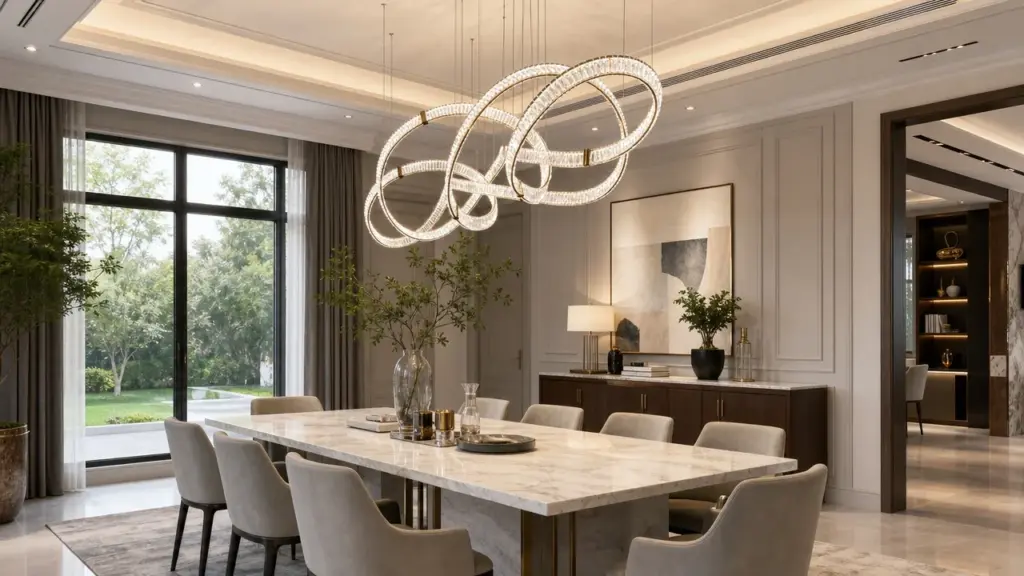
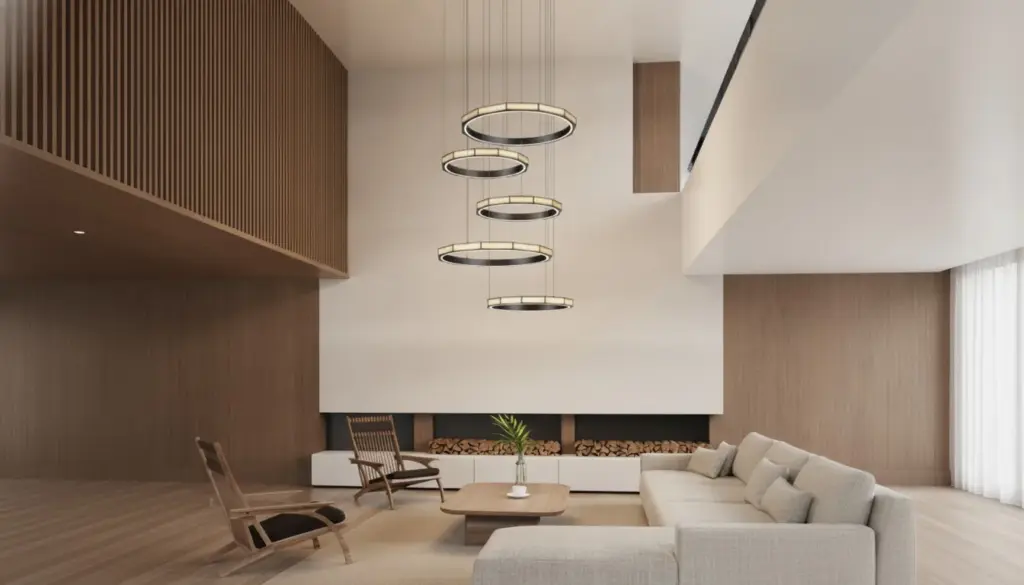
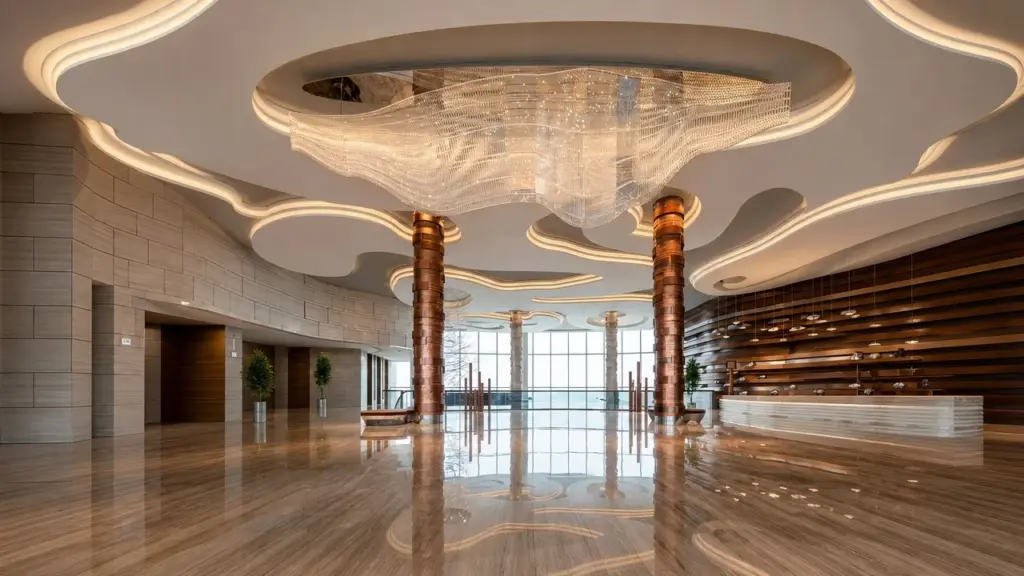
Use two linked schedules for a resort lighting package. Count the repeated villa fixtures by unit type and approved variant. Give each bespoke public-area fixture its own drawing, site interfaces and installation window. Join the two schedules by phase so the buyer can release the approved quantities for specific locations and see which other lines still have to wait.
A warm metal finish may give villas and public spaces a consistent look. The same finish approval can leave different questions open. A villa wall light still needs to fit its headboard and controls. A lobby feature may need a verified supporting structure and a clear lifting route before it can be made or installed.
How to Organize the Lighting Package
- Villa quantities. Confirm unit counts, fittings per unit, approved variants and spares by phase.
- Public-area features. Verify the exact location, design revision, site interfaces and installation access for each fitting.
- Phase release. Record which quantities and activities are authorized, what remains on hold and whether a hold affects opening.
Build the Villa Schedule from Unit Types
Count repeated fittings from the approved villa mix and record room-level exceptions and spares separately. Start with the latest site and room lists. Give each villa type a reference, list which plots use it and confirm which phase each plot belongs to. Make a room-by-room package for a reference unit. For ideas on defining fixture families and finishes before approval, use Kinglong Lighting’s lighting project resources.
Six Senses Ninh Van Bay lists villa categories including Family Beach Pool Villa and Hill Top Pool Villa. These public listings illustrate the variety of layouts within one Vietnam resort. Use your own drawings and unit register to determine where the same decorative fitting will work and where it needs a new variant. Six Senses Ninh Van Bay villa listings.
Multiply the fitting count for the reference unit by the number of approved units of that type in the phase. Then apply plot-level additions or deductions, documenting their cause. Show stock spares on a separate line. A mirrored bedroom might move the switch or require a different wall-light orientation. A revised ceiling height might change a suspension. Record which cases share the base fixture and which need a different drawing or part before summing quantities across locations.
Use the reference villa or an agreed portion of it to check the actual joinery, driver location, finish and controls. Record which drawings, room types and installation conditions the approval covers. If the project changes the headboard thickness or switch position after the mock-up, trace the affected plot numbers before releasing more pieces. Keep a marked schedule beside the tender quantities so the buyer can distinguish a new unit, a replacement fixture and an allowance.
Before the schedule becomes an order, check the unit list against the site programme. Count only the villas in the relevant phase for this release and record any stock the project wants to carry forward. Ask the installer and warehouse to agree the labels they will use to identify each unit’s set. This helps a later phase keep the same accepted configuration and avoids splitting an incomplete set between two plots.
Give Each Public-Area Feature Its Own Schedule
Assign each feature fitting its own drawing, support and installation approvals. Name the space, fixture tag, intended view and required function. For a lobby chandelier, ask who verifies the ceiling and structure that will receive it. For a restaurant pendant, confirm the setting-out against the furniture and ceiling coordination, and specify who will witness the lighting scene under the intended use.
The lighting designer for Alila Kothaifaru in the Maldives describes guest-selectable activity and relaxation lighting in the villas, while lighting in public areas is programmed to dim by time of day. In a comparable package, have a villa tester operate the actual bedside or room controls. Have the public-area team inspect its own time schedule and any authorized override. Record both against the proposed driver and controls pair. Alila Kothaifaru lighting design account.
Lux Island Resorts reported closing a group of water villas and food-and-beverage venues for the first phase at LUX South Ari Atoll, followed by full closure for work on the remaining villas and public areas. Put the dates when each plot and venue can receive crates, scaffolding or installers alongside its fixture list. An approved drawing may support fabrication while occupancy or other works still rule out delivery. Lux Island Resorts annual report, redevelopment phases.
Require a feature record that names who supplies the fixture-side mounting parts, who designs and installs the building-side support, and who will accept the coordinated drawing. Record module and crate dimensions where access could affect delivery. If the room needs a lift, scaffold or temporary closure, verify the installation window with the site and operating teams. For ways to convey scale and ceiling relationships when preparing the brief, refer to published hospitality lighting examples.
Specify What the Two Packages Can Share
Agree a short list of common requirements. Share a finish reference and acceptable variation where elements are viewed together. Record how the designer will compare glass, metal or shade materials under the intended light. A villa finish approval may be a valid reference for the lobby appearance if the approved range covers both. Confirm how the designer will review larger joined surfaces, edges and reflections that the small sample cannot represent well.
The DALI Alliance distinguishes control gear such as drivers from application controllers that send commands. Where the project uses DALI, specify the intended controls and scene behavior for each area. Ask the controls team to verify the proposed fitting and driver combination for the actual zone. A shared protocol is a useful starting point for specification. Record the setting, result and tested configuration for the villa and the feature as applicable. DALI Alliance systems and components.
IEC 60598-1:2024 specifies general safety requirements for luminaires. Have the project specialists and local team confirm which standards and evidence apply to the particular fixture and installation. Track the technical submission against the exact supplied revision, especially when a shared appearance conceals differences in construction or mounting. IEC luminaire safety standard.
Make common requirements explicit in the quote. A supplier can price a common finish or part once and identify each line that uses it. Ask it to list the parts and interfaces that are unique to each variant. Where different manufacturers will supply the two packages, exchange physical reference samples and agree who reviews a match. Confirm what happens if samples agree in colour but the gloss or texture changes when the feature is assembled.
For spare parts, record which fixture references actually share an approved part. A replaceable glass element or driver may suit several villa variants after confirmation. A bespoke feature may need a dedicated spare section or separate access plan. Have the operator confirm how the parts will be identified after handover. Kinglong Lighting’s hospitality lighting development process describes sample and technical review. Use it to frame which material approvals or construction details you need from the supplier.
Release by Approved Package and Site Phase
Maintain linked schedules for repeated villa fixtures and bespoke public-area features, and authorize each phase only for the listed quantities, approvals and ready locations. Keep the phase, site need date and decision owner in one tracker. Give every line its own scope, technical reference and status. For linked work, record what happens to the other lines if an approval misses its need date.

| Item | Record before authorizing | What can proceed |
|---|---|---|
| Repeated villa batch | Plot list, villa type, count per unit, approved drawing and destination phase | The named quantity for ready locations |
| Villa exception | Affected plots, revised detail, retest evidence and reviewer | Only activities expressly allowed while the variant is open |
| Bespoke public feature | Accepted drawing, support and controls interface, crate route and installation access | Drawing, fabrication or installation as authorized for that feature |
| Shared phase handover | Receiving capacity, controls commissioning and opening dependencies | The areas the project has confirmed can receive fixtures or enter use |
Illustrative example. A resort’s first phase has 6 Type A villas and 4 Type B villas, each scheduled for 4 wall lights. The scheduled installation quantity is 40 wall lights before spares. Type A uses the accepted mounting and driver detail. The Type B joinery changes the driver access, so that version needs a revised drawing and service check. Separately, the lobby fixture cannot be released for fabrication because the structure and fixing interface still await acceptance.
After the buyer confirms the contract allows a split and the site can receive the Type A sets, it authorizes 24 wall lights for those plots. It keeps the 16 Type B wall lights on hold and assigns the access check to the appointed reviewers. The updated order and packing list identify the released units by plot. Procurement schedules the lobby fixture under a separate line with its own review date and confirms its impact on the opening programme.
In the illustrative project, release the approved villa subset and keep the other villa variant and the lobby feature on their own holds. The status of each line belongs to the actual activity being authorized. If the lobby must open before guests can use the villas, the project can preserve a valid manufacturing release while keeping opening conditional. If partial shipment makes the villa batch commercially impractical, agree a revised shipment plan with the supplier and record the cost and timing before changing the release.
For each released lot, write the earliest date the warehouse can receive it and the latest date the installer needs it. Put the public fixture’s lift or closure window on a separate date line. If the site cannot take one crate on schedule, check whether approved controlled storage or a later delivery works before authorizing collection. This keeps a real installation dependency visible without freezing every villa order.
When an alternative changes the type split or mounting scope, compare the same accepted appearance and guest requirements against the new work at site. Have the supplier identify which drawings, parts, tests, packing and install responsibilities change. Use the extra information to review proposed lighting value engineering before replacing an already approved line.
Carry the Two Schedules into One Procurement Plan
Carry tags, variant versions, interface owners and phase releases from both schedules into purchasing and handover. Attach the approved villa schedule and public feature schedule to the relevant orders. Record the fixture configurations and quantities permitted to proceed, the supporting drawings, and the proof a held line needs. Ask each supplier to acknowledge both its scope and the interfaces it will deliver to the next trade.
Give each released shipment an agreed receiving plan. For villas that may mean one identified kit for each plot and a separate spare register. For a bespoke light it may mean crate identifiers tied to the module drawing and an agreed unload and assembly sequence. Match these details to the construction programme, confirm where goods will wait if the phase changes, and name the people who verify receipt and installation readiness.
For changes after award, update the specific schedule row and the order attachment at the same time. An added villa or a different room layout can change the quantity, variant and delivery date. A moved public feature can change the rotation, support detail and access needed for inspection. Keep the previously released quantities and references visible to prevent a later revision from silently changing that work.
Before handover, confirm the operating documents by zone. Villa records should show which plots use each variant, how to identify the spare parts and which controls settings were accepted. The feature record should include the installed configuration, the correct maintenance access and the responsible service contact. Reconcile the entries against the latest approved drawings before closing the phase.
Kinglong Lighting provides a contact form for custom decorative lighting inquiries. In your message, describe the villa types, phase quantities, public-area features and known site constraints. Have the current schedules and unresolved questions ready when you request a resort lighting package discussion.
Frequently Asked Questions
Can one villa mock-up release other unit types?
Extend a villa mock-up approval only to installation conditions the reviewer has confirmed it represents. Compare the dimensions, mounting, materials and controls in the other unit types. Ask for a separate review of any change that affects an accepted result, and write down the plots and versions that can use the original approval.
Can separate suppliers handle villas and public areas?
Yes, if the contracts use common references and someone is responsible for each shared interface and the working phase plan. Assign responsibility for matching appearance, exchanging drawings and supporting site controls. Keep separate scope and acceptance boundaries by supplier so the construction team can see the intended handoff between the packages.
What if the opening programme changes after award?
Recheck the approved phase, feature dependencies and receiving capacity before moving either order or asking suppliers to change the sequence. Confirm which items can be held safely and whether other zones have their own approvals, installation crews and lighting ready for use. Record the new production, delivery and opening decisions with the authorized teams.
Planning guides for your project
Use these guides to compare materials, prepare specifications and coordinate the next approval.
- Hand-Blown Glass vs Crystal for Villas: Material Selection Framework
- Shop Drawing for Custom Villa Chandeliers: Reading Engineering Details
- Atrium and Double-Height Lobby Chandelier Design Guide
Explore matching collections: Ice Flower · Pearl · Golden Egg