

How to choose the right size pendant light?
In the intricate world of interior architecture, proportion is the silent governor of aesthetics. A lighting fixture, no matter how exquisitely crafted, can disrupt the harmony of a space if its scale is incorrect. For architects, interior designers, and project managers, selecting the right size pendant light is a calculation that goes beyond mere intuition. It involves a balance of mathematical rules, spatial understanding, and functional requirements. A fixture that is too small will appear insignificant and fail to anchor the room, while one that is too large can overwhelm the space and impede sightlines. Mastering the art of sizing is essential for executing a successful ceiling LED lights design that enhances rather than detracts from the architectural vision.
The Mathematics of Proportion
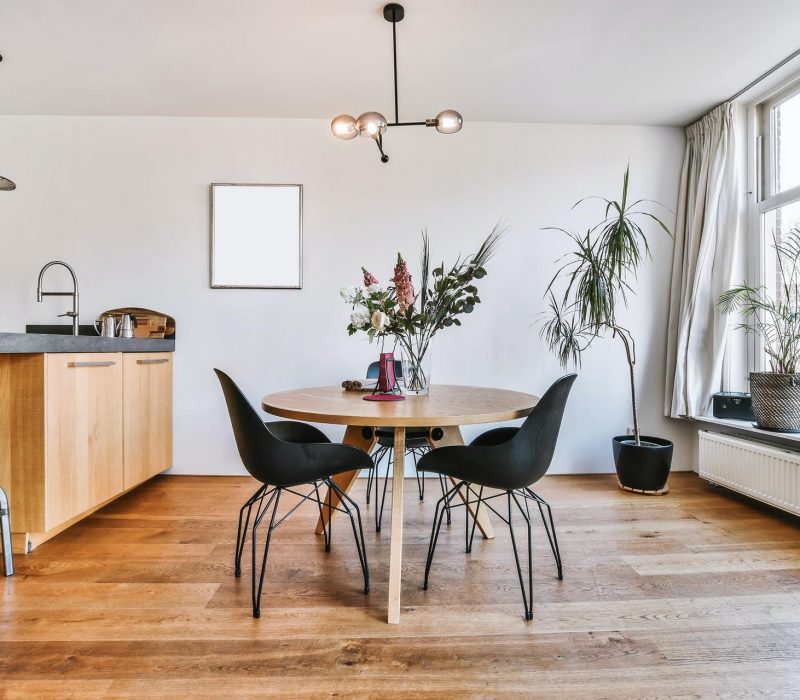
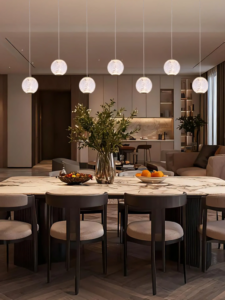
For professional designers, the initial step in determining fixture size is often grounded in established formulas. These guidelines provide a baseline from which creative adjustments can be made. The most widely accepted rule for general room lighting is the summation method. By adding the length and width of the room in feet and converting that sum to inches, one can derive an approximate diameter for the fixture. For example, in a room measuring 14 feet by 16 feet, the sum is 30 feet, suggesting a pendant diameter of approximately 30 inches. However, in commercial or high-end residential projects, this rule is merely a starting point. The visual weight of the pendant light design must also be considered. A fixture with an open, airy structure—such as a linear chandelier or a design using transparent materials—can afford to be larger than a solid, opaque fixture without dominating the room. Conversely, a heavy, solid brass fixture might need to be slightly smaller to avoid feeling oppressive. When the application shifts to task lighting, such as over a dining table or a conference room desk, the reference point changes from the room dimensions to the furniture itself. A standard industry guideline suggests that the pendant diameter should be between one-half and two-thirds of the width of the table. This ensures the fixture creates a cohesive visual relationship with the furniture below it. Furthermore, ensuring a clearance of at least six inches from the edge of the table prevents the light from interfering with movement or feeling top-heavy.
Height and Vertical Volume
While diameter is crucial, the vertical dimension—drop height and fixture length—is equally significant in ceiling LED lights design. The vertical placement dictates how the light interacts with the volume of the room. In standard applications, the bottom of the pendant should sit approximately 30 to 36 inches above the table surface. This height creates an intimate pool of light while keeping the fixture above eye level for seated guests, ensuring unobstructed views across the table. In spaces with high ceilings, such as hotel lobbies or double-height foyers, the vertical scale of the pendant light design becomes the primary dramatic element. Here, a standard single pendant is often insufficient. Designers must calculate the total void space and select a fixture—or a composition of fixtures—that occupies the upper third of the volume. This prevents the “floating” effect, where a light fixture looks disconnected from the space it is meant to illuminate. Adjusting the suspension length is critical; the fixture must descend low enough to feel integrated into the human scale of the room, yet remain high enough to maintain a minimum clearance of seven feet in walking areas.
Materiality and Light Output
The physical size of the fixture does not always correlate directly with its light output, which is a common pitfall in specification. A massive decorative shade might house a weak light source, while a compact, high-performance LED unit can deliver intense brightness. Professionals must balance the physical presence of the object with its photometric performance. This is where the choice of material impacts the perception of size. Materials like optical acrylic or crystal refract light, effectively expanding the visual footprint of the fixture when illuminated. A fixture like the Diamond Series from Kinglong Lighting utilizes this principle. The high-grade PMMA (polymethyl methacrylate) acrylic used in this series captures and diffuses light, making the fixture appear radiant and substantial without the heavy physical mass of traditional glass or metal. When choosing a size, one must consider how the material will behave when the light is switched on. A translucent pendant light design will feel lighter and can therefore be scaled up, whereas a dark, matte finish commands more visual attention and may require a more conservative size.
The Role of Modular Components
In modern design, the definition of “size” is becoming increasingly fluid due to the rise of modular lighting systems. Instead of selecting a static, pre-sized object, designers are now building compositions using smaller, high-spec units. Take, for instance, the specifications of a single pendant from the Diamond Series by Kinglong Lighting (Model MD20001012-1A). This unit features a compact diameter of φ10.5 cm and a height of 12 cm. On its own, it is a delicate accent light suitable for a bedside table. However, its engineering allows it to be the fundamental building block for a massive installation. Equipped with a 4.2W LED source at 3000K, it provides efficient, warm illumination. By clustering 12, 20, or even 50 of these units, a designer can create a custom chandelier that fits the exact dimensions of a grand staircase or a banquet hall. The “size” of the light is no longer a fixed number in a catalogue but a variable defined by the architect’s arrangement of these modular components.
Customization: The Ultimate Sizing Solution
Ultimately, the most effective way to ensure a pendant light is the perfect size is to bypass standard constraints through customization. Kinglong Lighting excels in this arena, offering solutions that empower designers to dictate the exact parameters of their lighting. Their capabilities go beyond simple adjustments; they provide a comprehensive ecosystem for bespoke ceiling LED lights design. The cornerstone of this capability is the “Mofun Design Platform” found on the Kinglong Lighting website. This innovative tool addresses the sizing dilemma directly by allowing clients to act as the designers. Through the platform, users can select design components—such as the Diamond acrylic heads or Tubular metal segments—and arrange them into five different structural archetypes. If a project requires a fixture that is exactly 1.8 meters in diameter to align with a custom dining table, the Mofun platform allows for that specific configuration to be visualized and generated. This “What You See Is What You Get” approach eliminates the guesswork involved in sizing. Architects can simulate how a composition of the Diamond Series will look in their specific spatial context, adjusting the number of heads and the length of suspension cables to achieve perfect proportion. Combined with Kinglong Lighting’s manufacturing expertise—honed since 1993—this process ensures that the final product is not just a light fixture but a tailored architectural element. By leveraging such advanced customization tools, experienced clients can ensure that every pendant light design is precision-engineered to fit the unique scale and volume of their project.