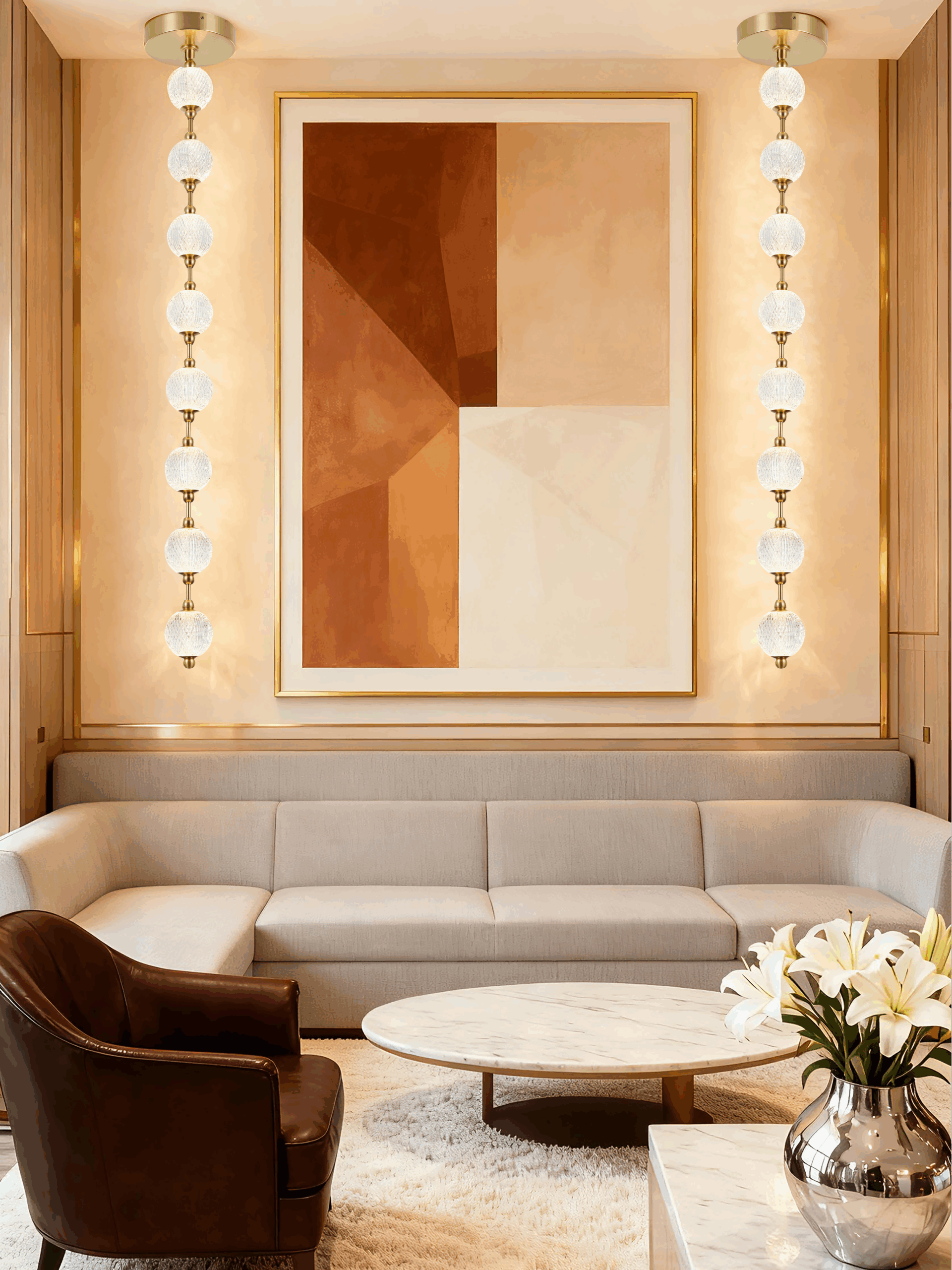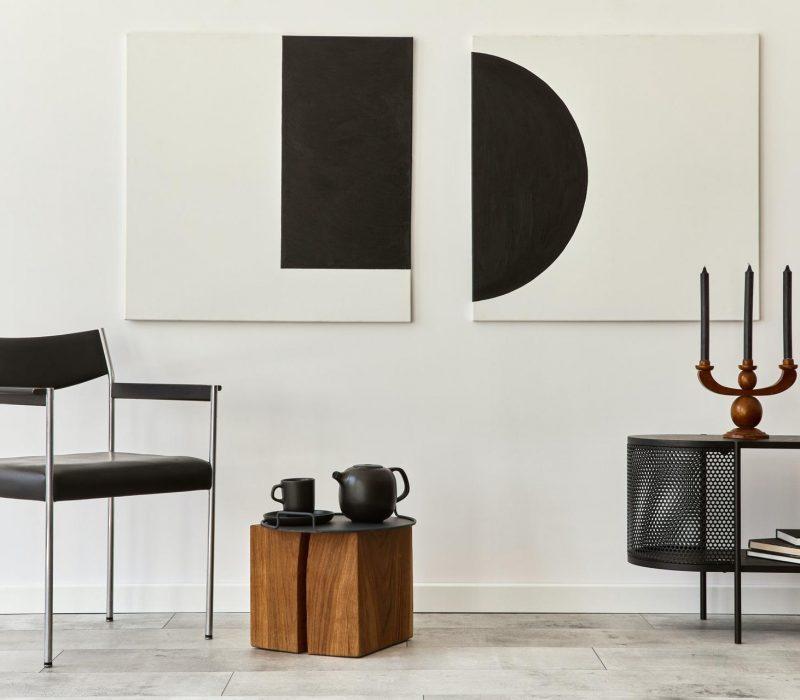

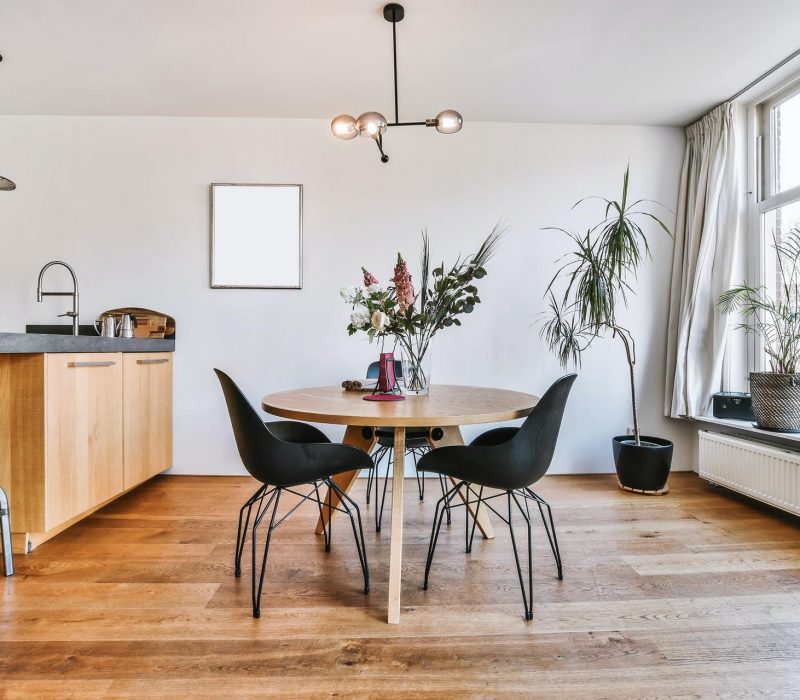
Acrylic vs. Crystal Chandelier: What are the Differences in Design?
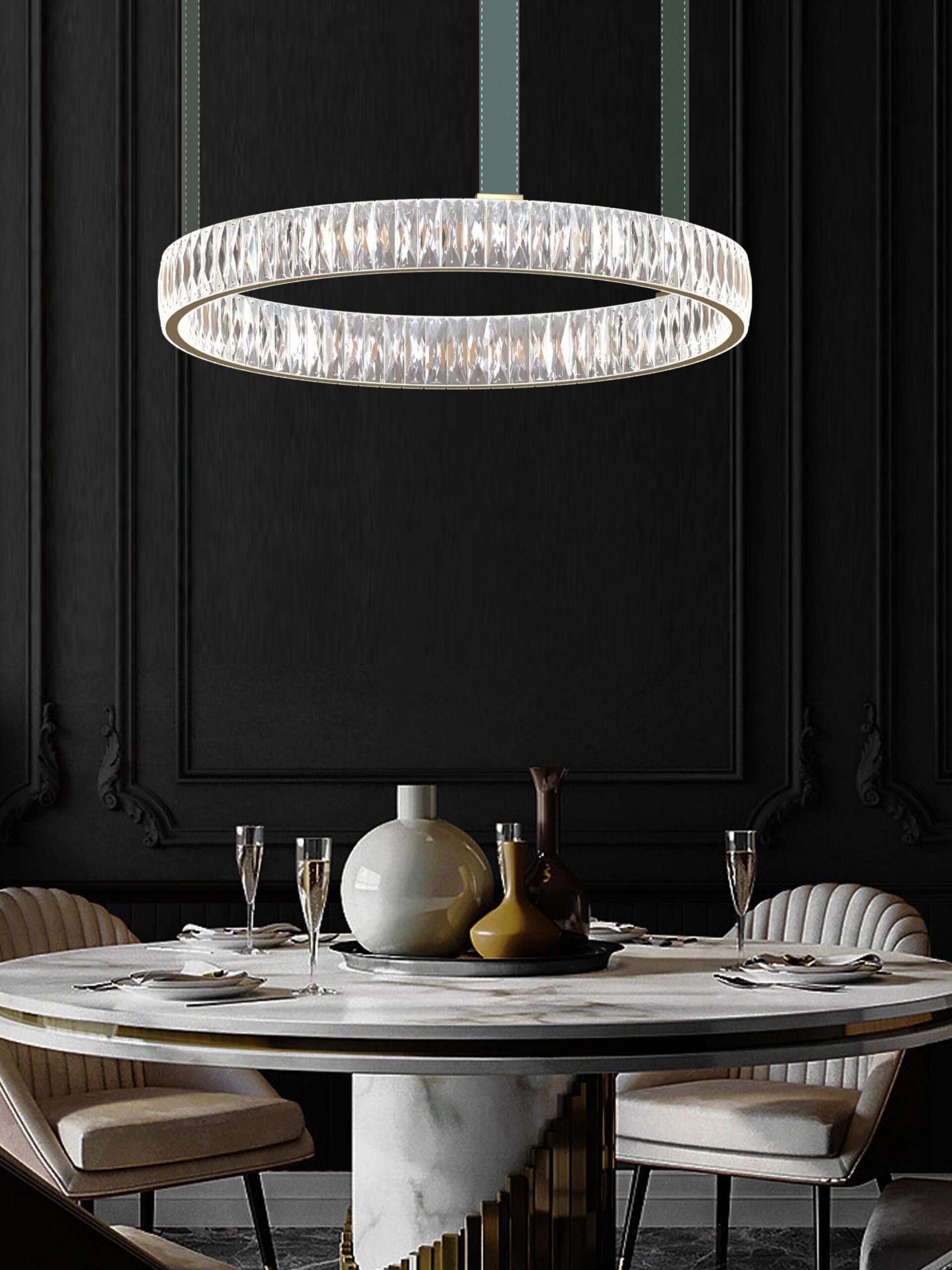
Walk into a room with a crystal chandelier, and the impression is immediate—its weight, sharp edges, and cold, polished surfaces evoke a sense of heritage luxury. Light bounces in tight, prismatic rays, creating that traditional sparkle people instinctively associate with “real crystal.” It feels formal, grand, and substantial.
But step into a space lit by a well-made acrylic chandelier, and the reaction is different—yet often unexpectedly positive. Many buyers assume acrylic will look cheap or dull, only to discover that modern acrylic can achieve remarkable clarity. In ambient lighting, it can mimic the transparency and glow of crystal more closely than they imagined. Yet its presence in the room feels softer, lighter, and less rigid. There’s no intimidating heaviness, no sense of fragility. It’s elegant, but approachable.
This contrast in emotional weight—crystal’s grandeur vs acrylic’s lightness—is what catches people off guard. Two different lighting solutions may appear similar from across the room, but the vibe they create and the way the homeowner interacts with them feel entirely different.
Acrylic vs. Crystal: The Differences in Material Itself
Acrylic and crystal may look similar at first glance, but their foundations couldn’t be more different.
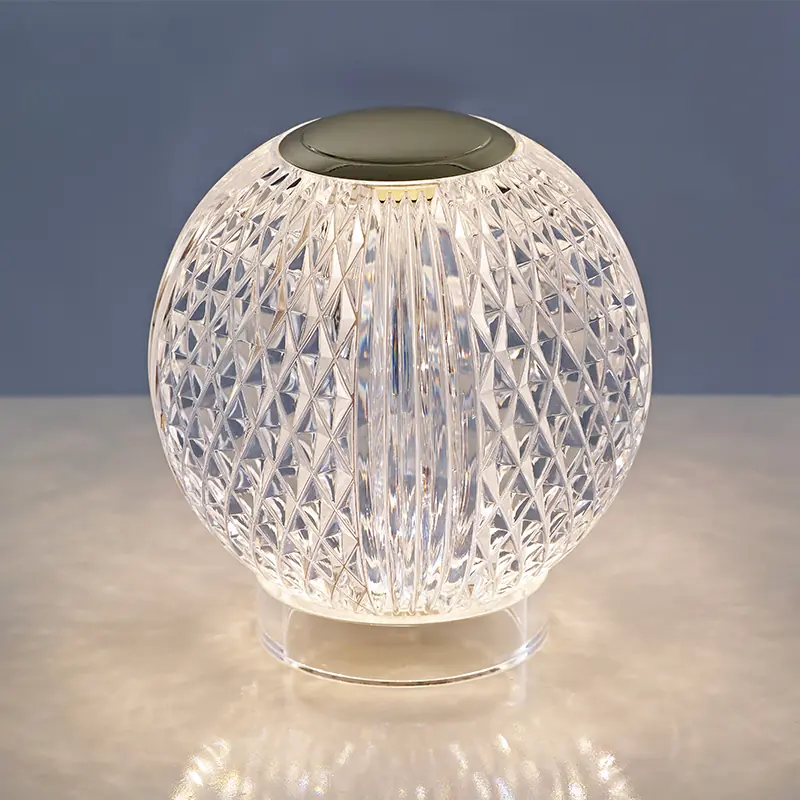
Acrylic is a type of engineered plastic—lightweight, flexible, and formulated for high clarity. Its composition gives it durability and impact resistance, which is why it handles bumps, movement, and everyday cleaning with ease. It doesn’t shatter, and it stays clear without the heaviness of traditional glass.
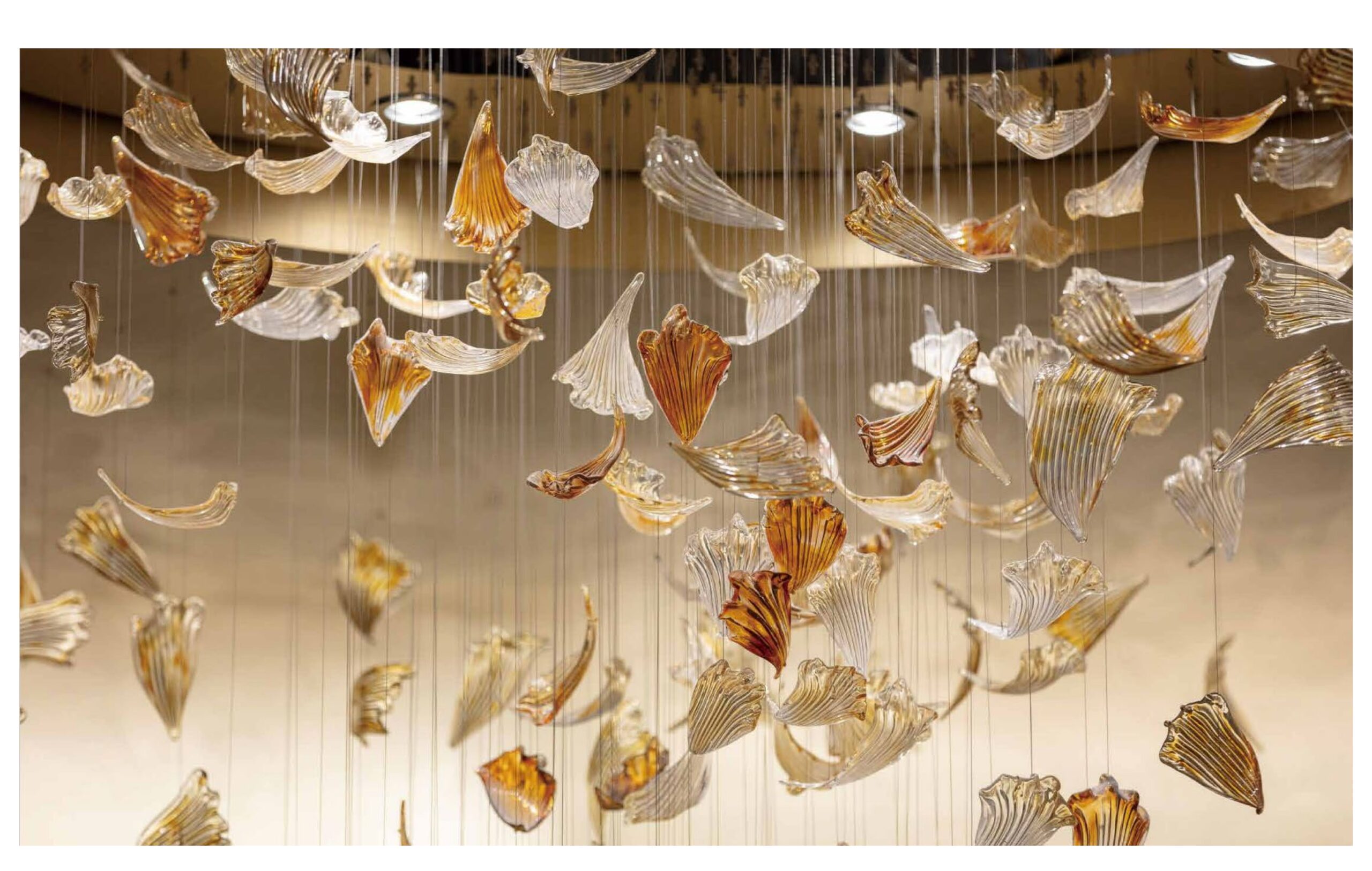
Crystal, on the other hand, uses glass infused with lead-free oxides to enhance brilliance and refraction. This composition creates that signature sparkle and weighty feel. Crystal is harder, colder, more rigid—and far more fragile.
Acrylic vs. Crystal: The Differences in Weight and Installation
One of the biggest practical differences between acrylic and crystal chandeliers shows up the moment they’re lifted.
Acrylic is significantly lighter, which makes installation easier, safer, and far more flexible. It can be mounted to standard ceiling structures without additional reinforcement, and homeowners often feel more comfortable handling it themselves for cleaning or bulb changes.
Crystal, by contrast, carries real physical weight. Its dense glass composition demands strong ceiling support, careful installation, and often professional assistance. Even moving or adjusting it requires caution because every piece is both heavy and fragile.

These contrasts affect more than setup—they determine where each chandelier can be used, how often it can be maintained, and how confidently it can be handled in everyday life.
Acrylic vs. Crystal: The Differences in Crafting Methods
For designers and project teams, the manufacturing path of each material determines what can realistically be executed in a lighting design.
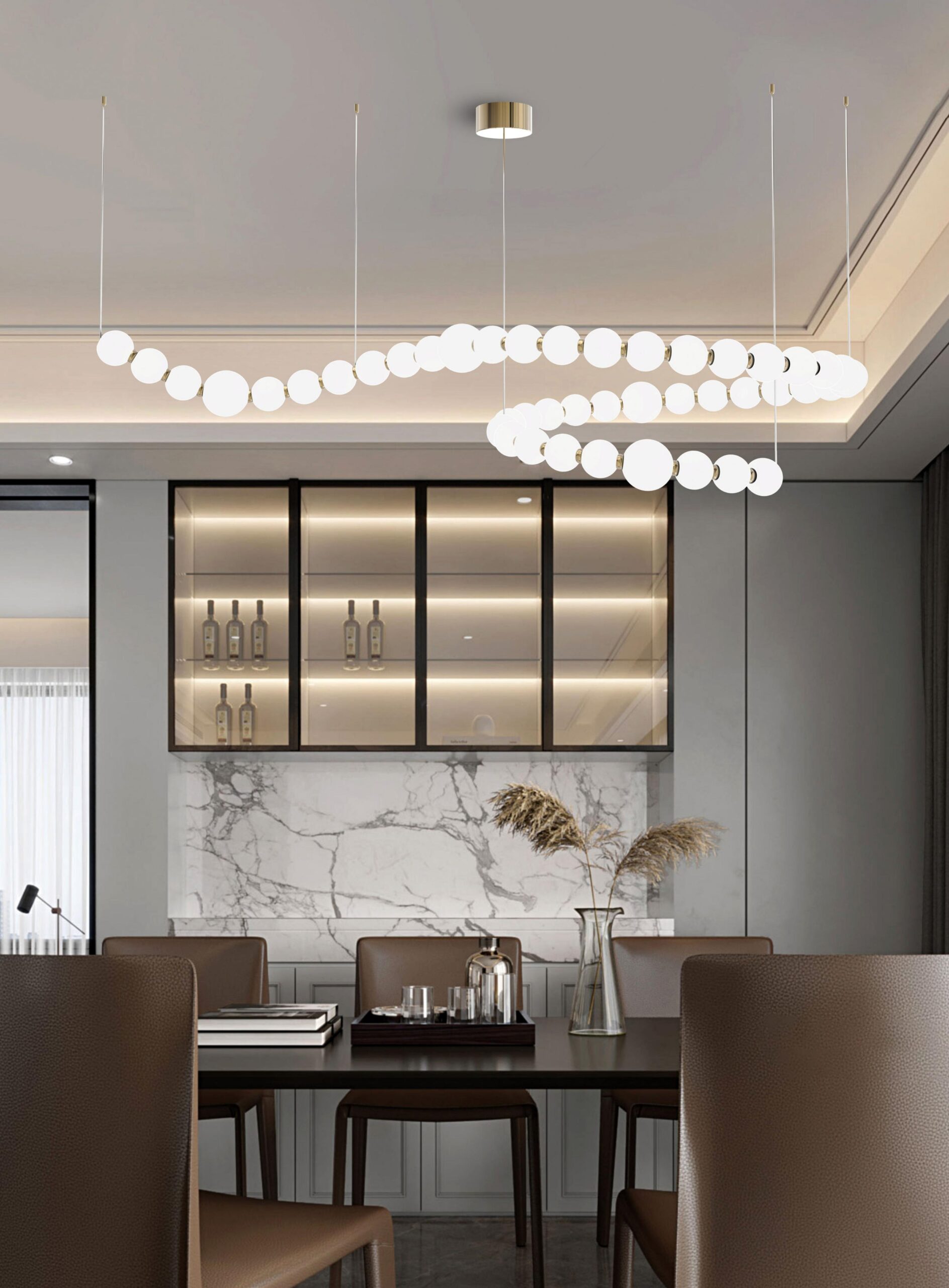
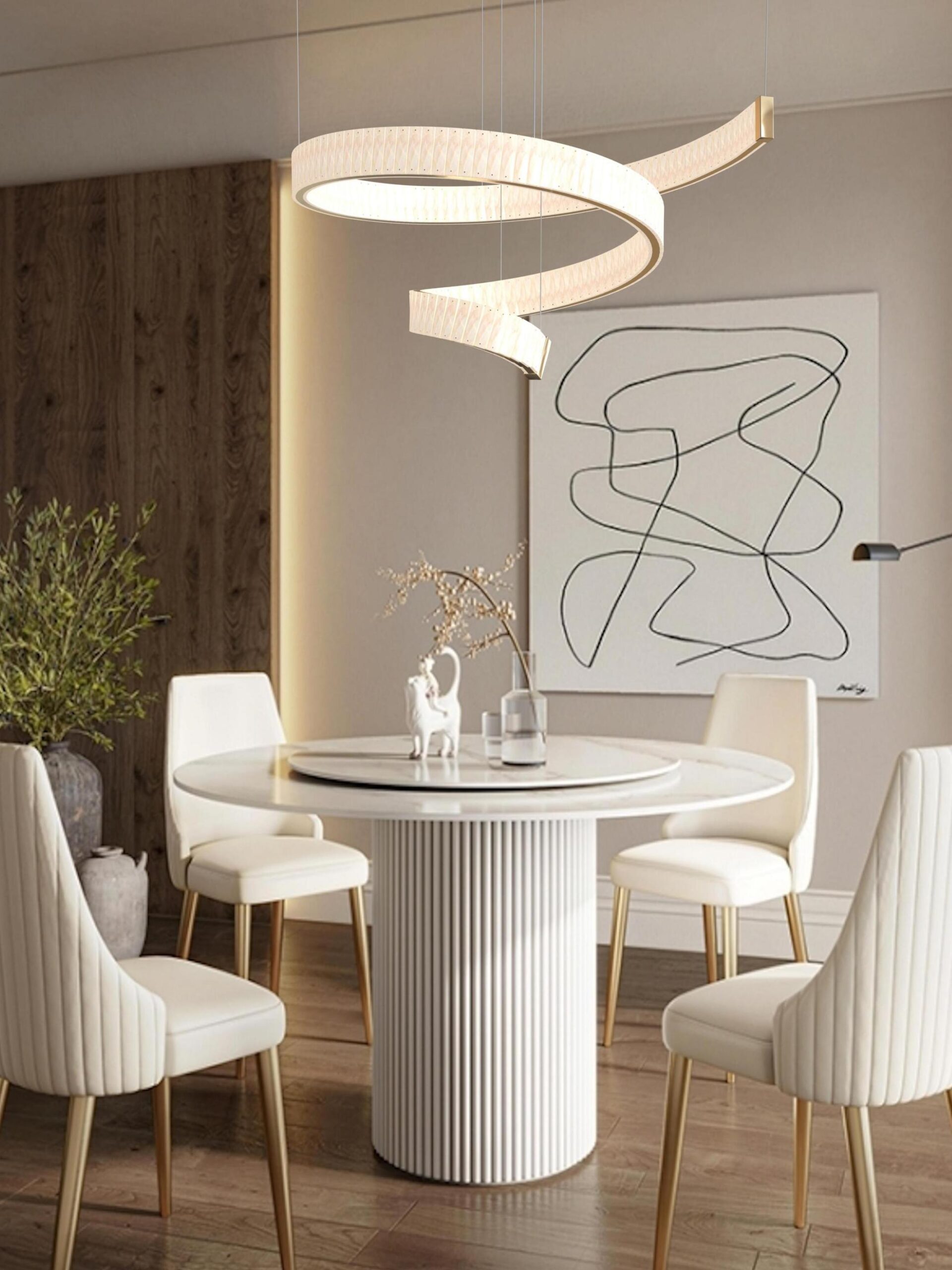
Acrylic is shaped through molding, extrusion, or precision laser-cutting, giving manufacturers tight control over thickness, clarity, and form. This process enables larger volumes, consistent repeatability, and design flexibility—from lightweight oversized pendants to complex organic shapes. Its workability also reduces production risk, making it suitable for high-variation or customized commercial lighting projects.
Crystal follows a more traditional craft route: cutting, grinding, and polishing each facet to achieve optical brilliance. These steps create the signature refraction designers expect, but they also introduce weight, fragility, and longer lead times. Shapes are more constrained, and scaling a design may require structural adjustments on-site
Understanding these crafting differences helps designers choose the right material based on production efficiency, visual intent, and the installation realities of each project.
Acrylic vs. Crystal: Differences in Aesthetic
As mentioned earlier, acrylic and crystal lighting can shine differently. Digging further from a design perspective, acrylic and crystal deliver entirely different visual languages, even when used in similar forms.
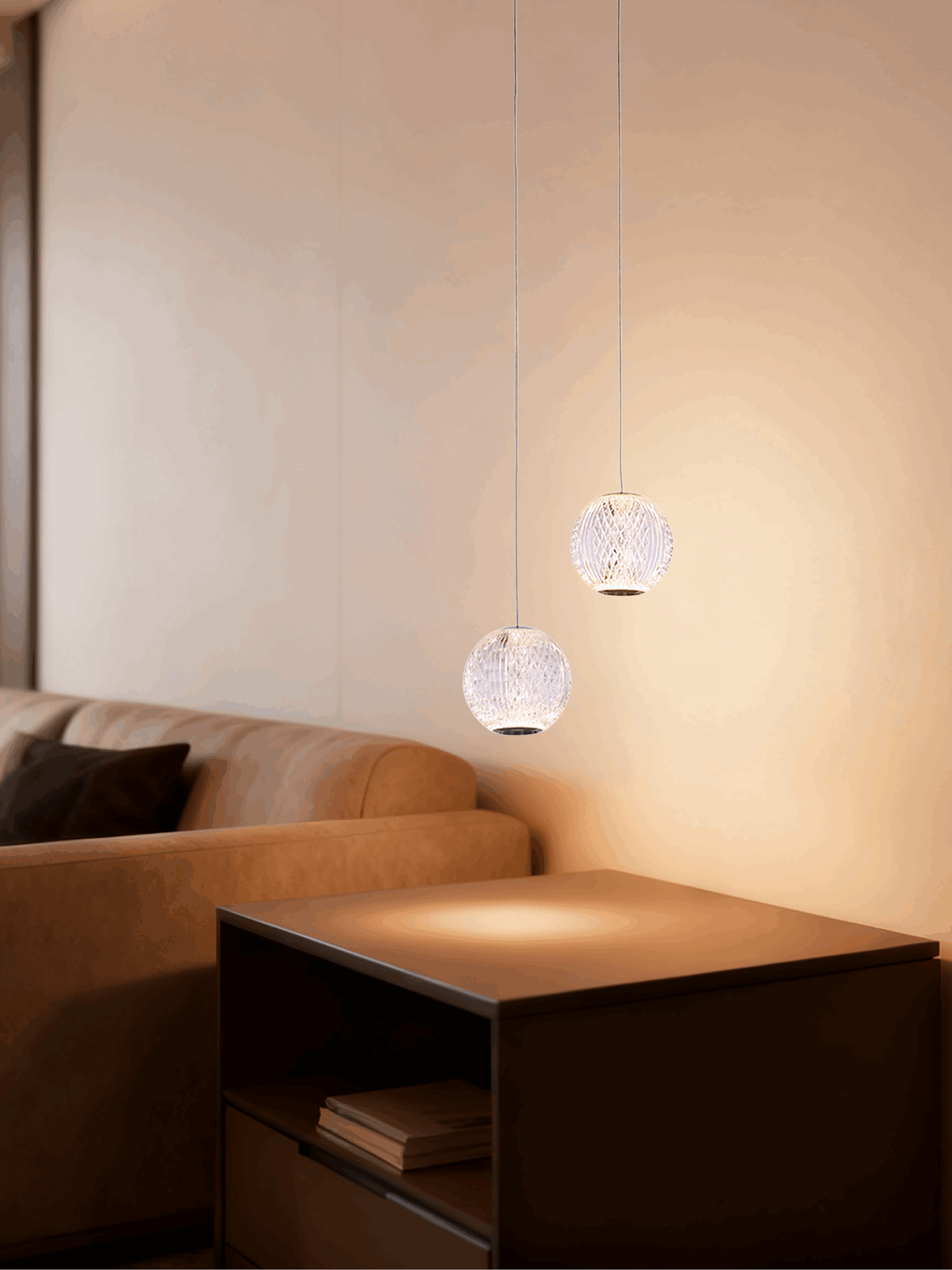
Acrylic offers a softer, more contemporary presence. Its clarity is clean rather than prismatic, producing diffused highlights instead of sharp sparkles. This makes it well-suited for modern hospitality spaces, retail interiors, and residential projects that prioritize lightness, translucency, or sculptural form. Designers also value how acrylic maintains visual impact without overwhelming a space—ideal for large-scale fixtures or suspended clusters.
Crystal, by contrast, brings a high-refraction aesthetic rooted in heritage luxury. Each facet generates crisp light points, creating motion and brilliance that immediately draws attention. Its visual weight is stronger, making it well-suited to formal dining spaces, grand lobbies, and premium residential environments where a sense of prestige or tradition is desired.
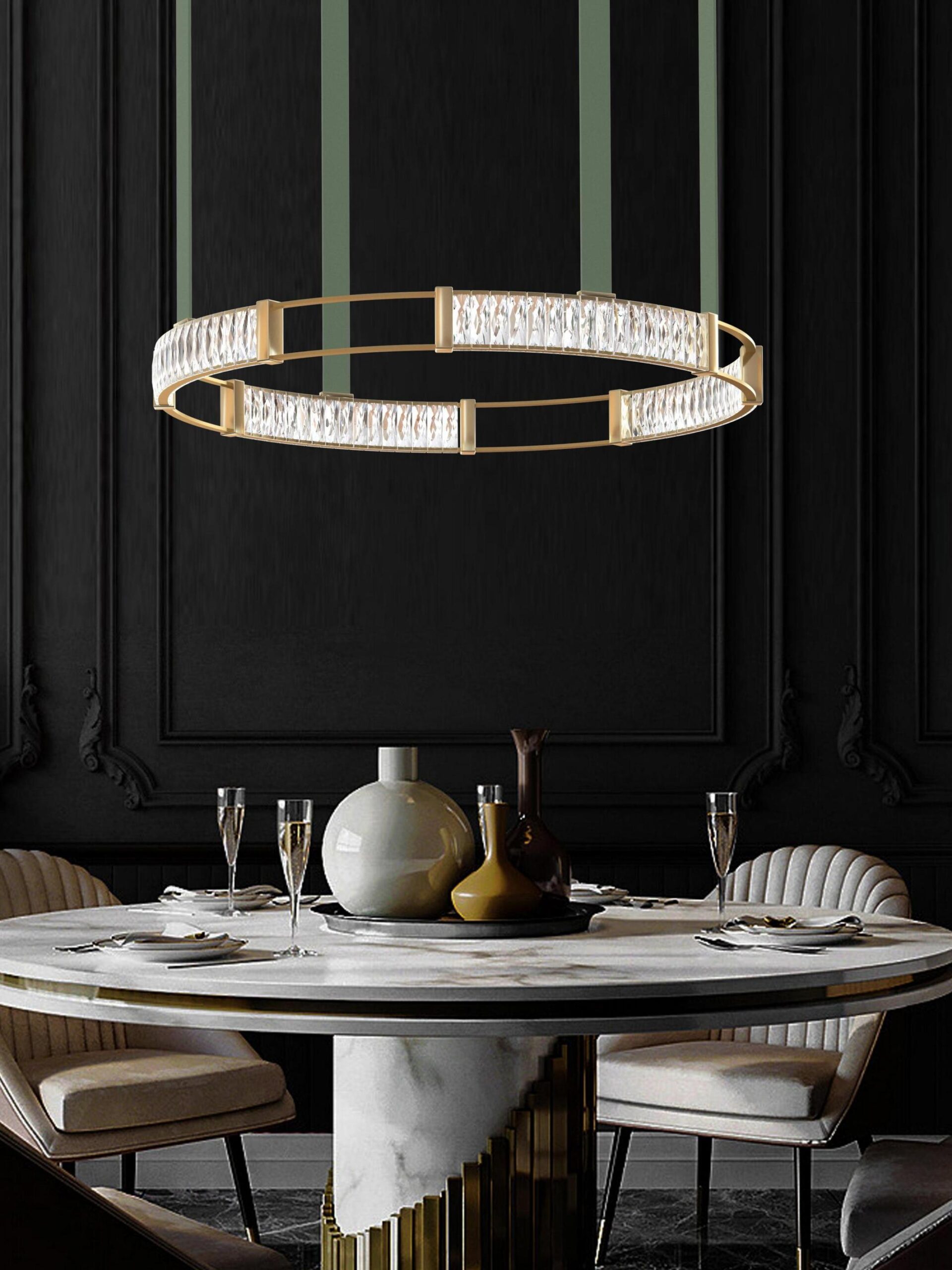
The aesthetic choice between acrylic and crystal depends on the mood, narrative, and spatial identity a designer aims to build.
Acrylic & Crystal Lighting Manufacturing: Kinglong Lighting Excels
Acrylic and crystal differ in composition, weight, craftsmanship, and visual expression, and those differences directly shape how designers plan, specify, and execute lighting projects. Acrylic offers flexibility, lightness, and contemporary clarity—ideal for modern concepts and large-scale installations. Crystal, on the other hand, delivers the precision, brilliance, and visual gravitas required for spaces that call for a more traditional or prestige-driven identity.
Because each material serves a distinct design purpose, the value lies not in choosing one over the other, but in selecting the right medium for the project’s functional demands and aesthetic goals.
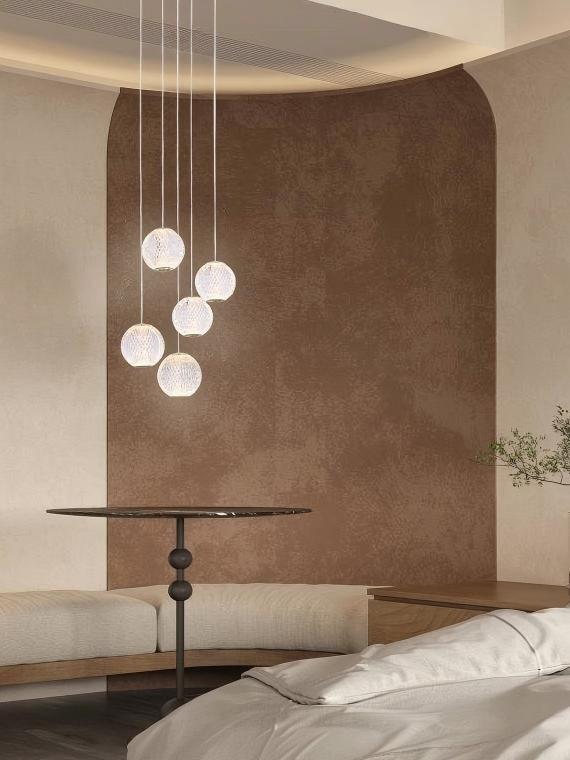
This is where Kinglong Lighting brings a strategic advantage. With deep expertise in both acrylic and crystal craftsmanship and our self-owned design platform, Mofun, Kinglong Lighting can support designers and commercial projects from concept to execution.
Our manufacturing capabilities, precision engineering, and customization services enable us to deliver tailored lighting for residential developments, hospitality interiors, retail spaces, and statement commercial installations.
Whether the brief calls for lightweight sculptural forms, high-refraction luxury pieces, or fully bespoke lighting solutions, Kinglong Lighting can deliver. Feel free to contact us!